Madrid's tourism machine, which has powered the city's economy for two decades, is grinding to a halt. Hotel occupancy rates have fallen to 68 per cent this summer—down from 82 per cent in 2024—while average daily rates have stalled despite ongoing inflation, creating a profitability crisis for operators across the historic centre and the booming Chamberí district.
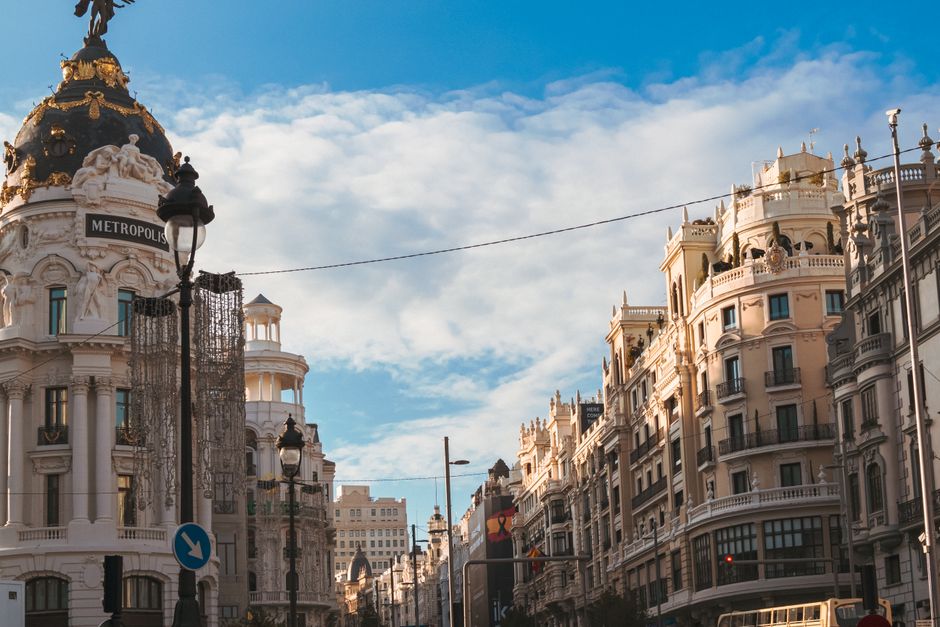
The challenges are multilayered. First, there's the cost squeeze. A mid-range hotel room in the Sol neighbourhood now averages €145 per night, up 34 per cent since 2021, pricing out the middle-income European tourists who once filled rooms consistently. Restaurant covers in La Latina are down 16 per cent year-on-year, with business owners reporting that even the Michelin-starred establishments around Plaza Mayor are seeing cancellations spike as discretionary travel budgets shrink across Northern Europe.
Global uncertainty compounds the problem. Geopolitical tensions—from the Middle East to migration pressures at Europe's borders—have made American tourists particularly cautious. The US has historically represented roughly 18 per cent of Madrid's international visitors, but flight bookings through major travel agencies have declined noticeably since spring. Meanwhile, Latin American visitors, who have grown as a segment, face currency headwinds that make Spanish prices prohibitive.
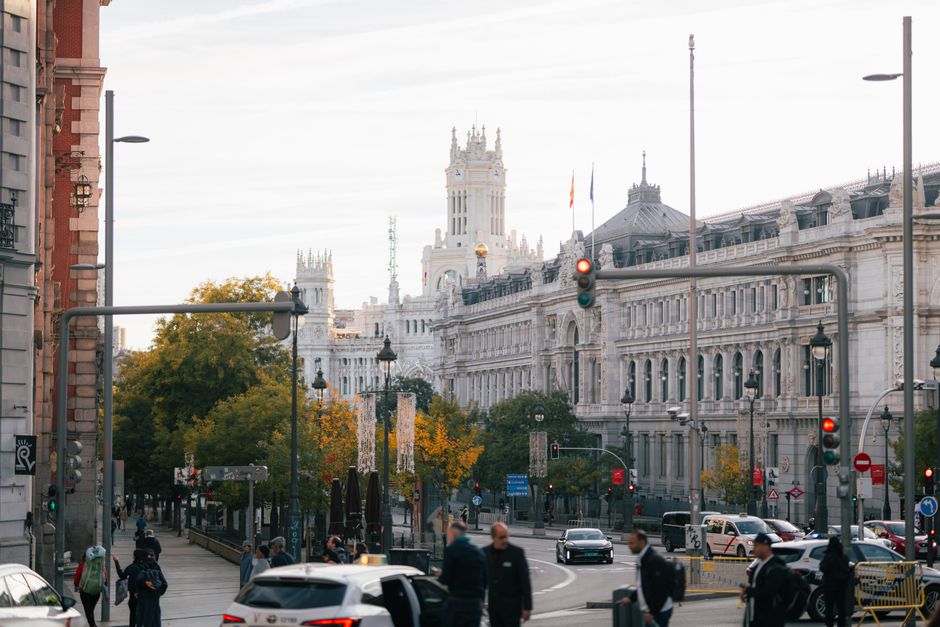
Infrastructure strain adds another headache. The Prado Museum reported record queues in June, with wait times exceeding two hours during peak hours, frustrating the very visitors the city desperately needs. Meanwhile, the Renfe regional rail network continues to suffer delays, making day trips from Barcelona or Valencia less attractive—something the Convention Bureau tracks closely.
The accommodation sector is particularly exposed. Airbnb's regulatory pressures, combined with rising property taxes and labour costs, have forced several family-run hostels in Malasaña to close permanently. Traditional three-star hotels operating on thin margins face a bleak outlook if occupancy doesn't recover by autumn.
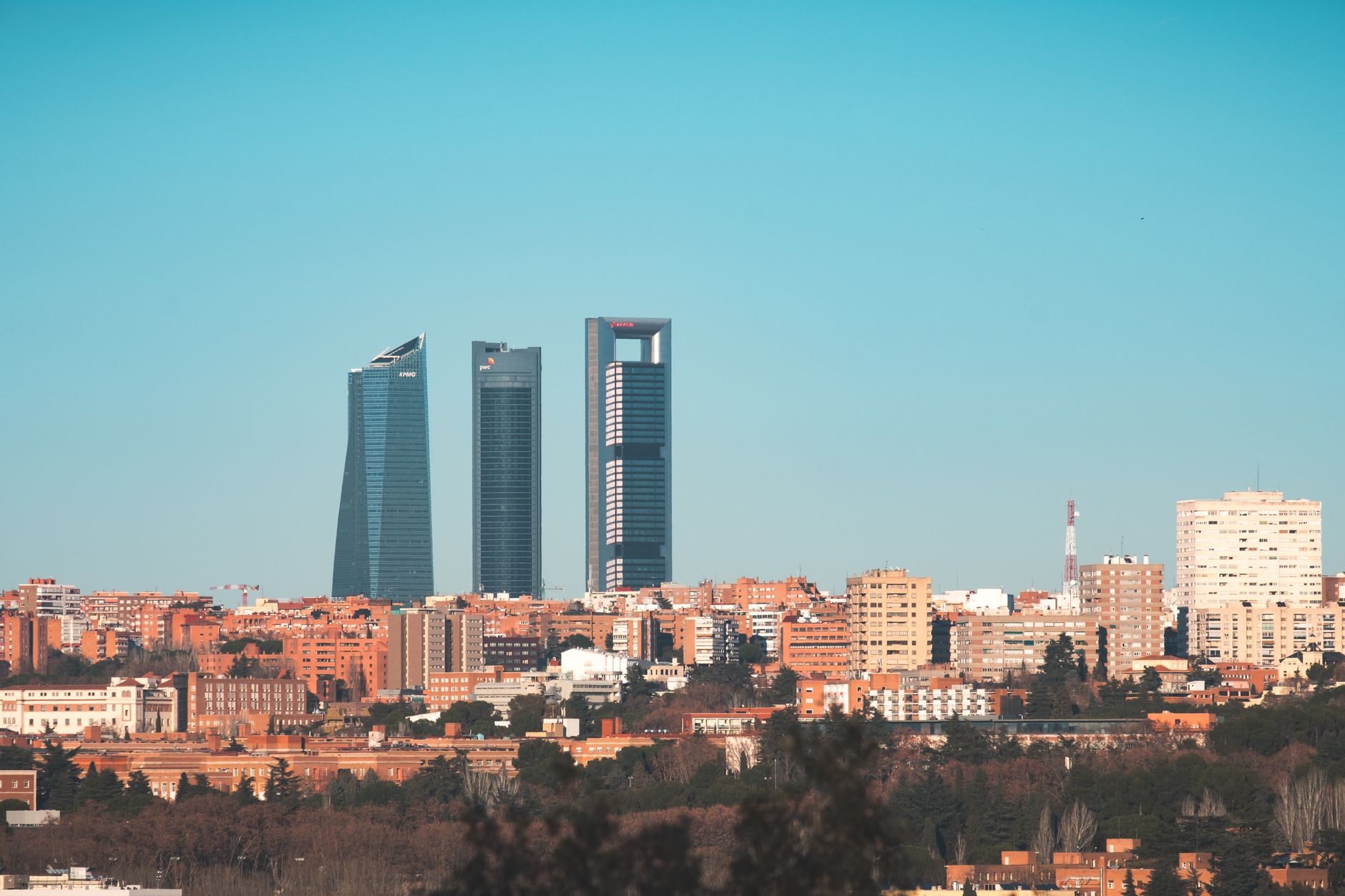
Some segments show resilience. Corporate events and conferences—the high-margin business tourism that sustains the IFEMA centre—remain reasonably robust, though down 8 per cent. Business travel to financial hubs like the BBVA headquarters area holds steady. Yet this cannot offset leisure tourism declines.
Recovery, industry insiders suggest, depends on three factors: a stabilisation of European consumer confidence, pricing strategies that compete globally, and aggressive marketing campaigns targeting untapped markets in Asia and the Gulf. Without intervention, Madrid risks losing its position as Europe's third most-visited capital by the decade's end.
This article was compiled by AI from the sources linked above and screened before publishing. See our editorial standards.