Madrid's Tech Boom Is Coming to Your Neighbourhood—Here's What You Need to Know
As startups reshape districts from Chamberí to Retiro, residents and consumers face rising rents, new services, and changing street life—but also real opportunities.
As startups reshape districts from Chamberí to Retiro, residents and consumers face rising rents, new services, and changing street life—but also real opportunities.
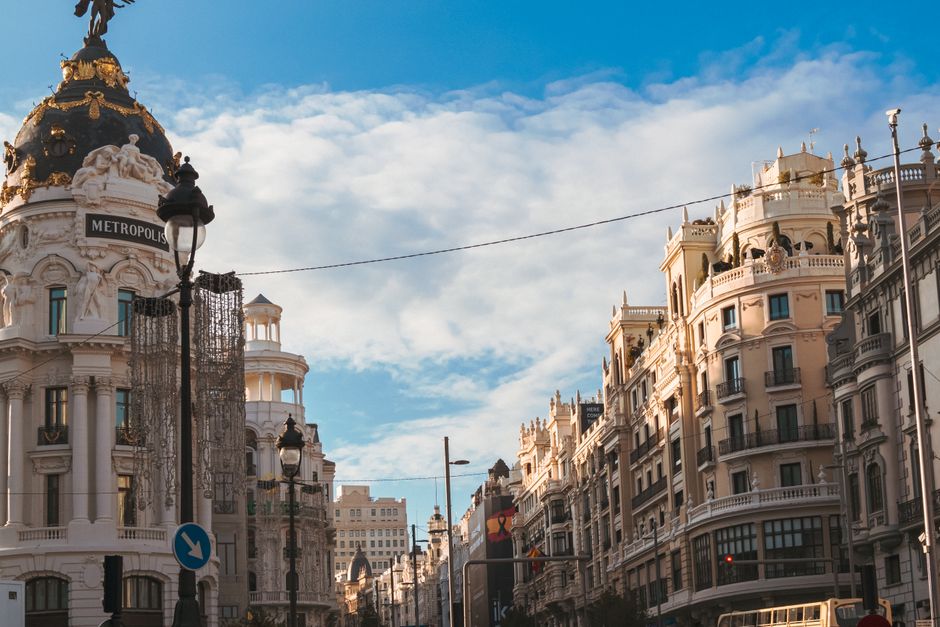
Walking down Calle de Fuencarral on any weekday morning, you'll spot them: young entrepreneurs clutching laptops, cycling to co-working spaces, queuing at specialty coffee shops that didn't exist three years ago. Madrid's startup ecosystem isn't confined to tech parks anymore. It's spreading into residential neighbourhoods, reshaping how we live, work, and spend money.
For everyday madrileños, this shift is impossible to ignore. The innovation district expanding around Chamberí and into Malasaña has already triggered visible changes. Commercial rent in these zones has climbed approximately 15% year-on-year since 2024, according to local property consultants. A studio apartment that rented for €650 monthly in 2023 now commands €780. If you live here, your landlord has noticed.
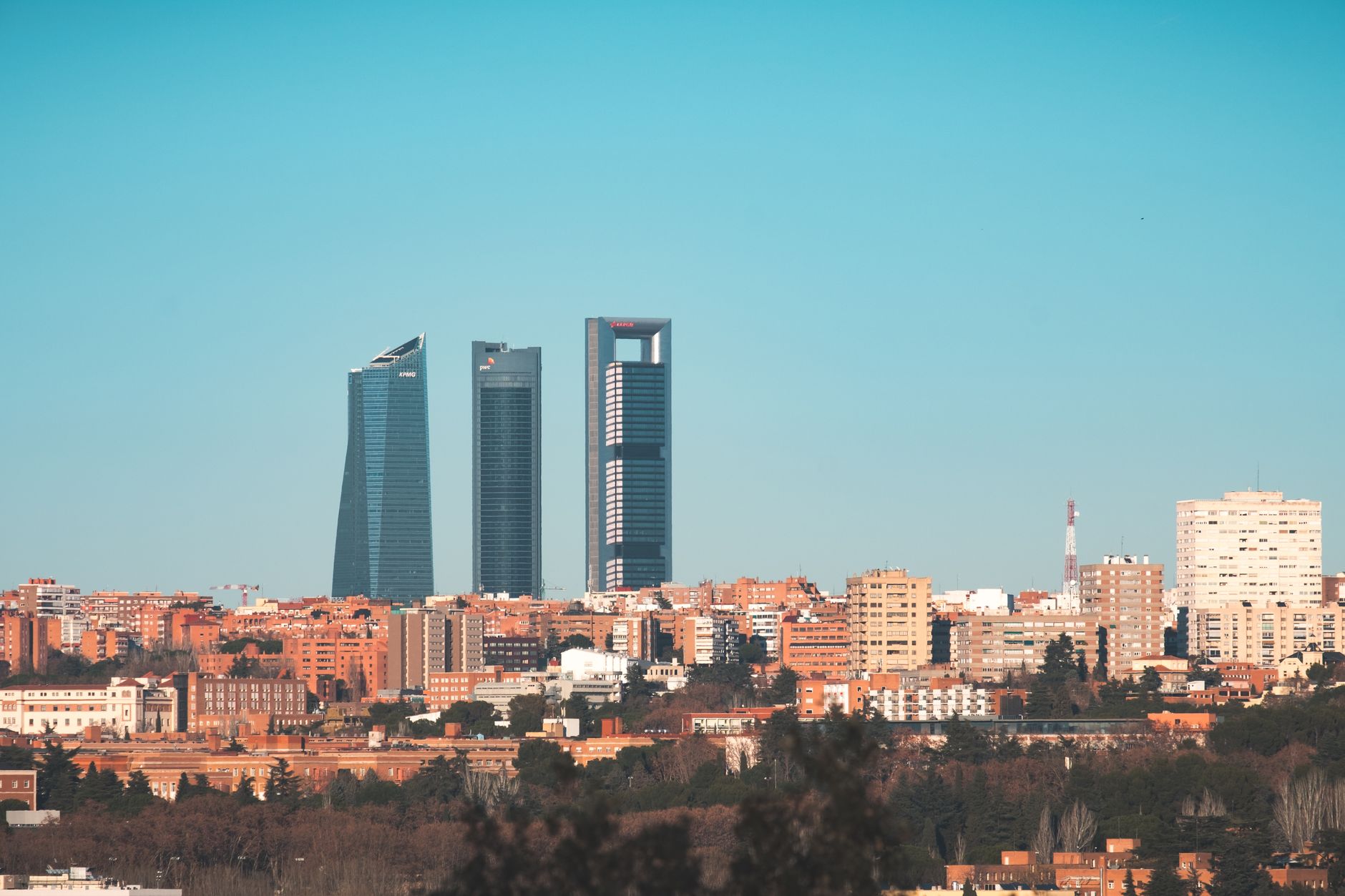
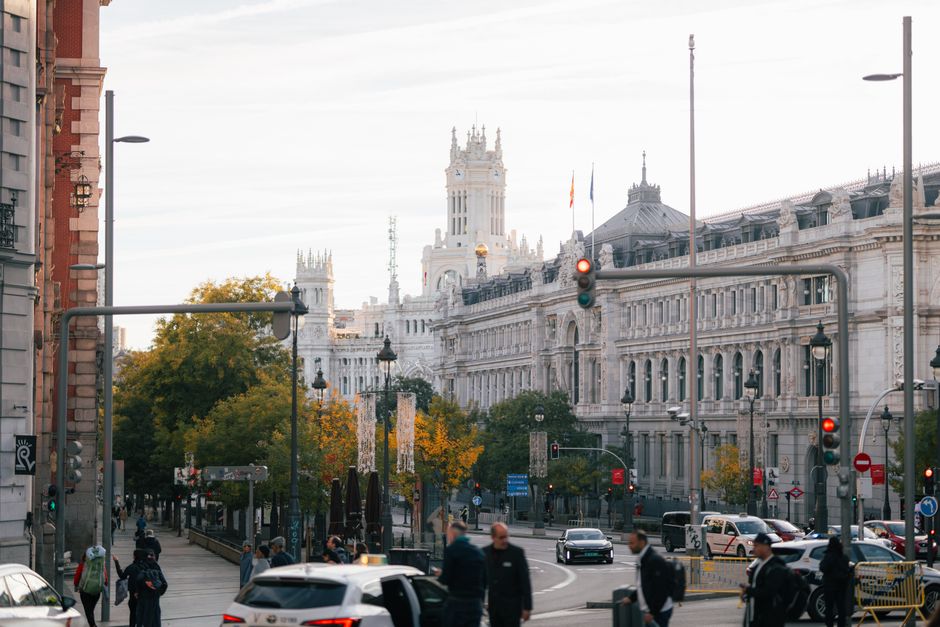
But the impact extends beyond wallets. The proliferation of startups—particularly in fintech, logistics, and sustainability sectors—has transformed street-level Madrid. Where traditional bars once dominated, you'll now find niche workspaces like the Fundación Carolina's innovation hubs on Paseo de Recoletos, or the growing cluster of tech offices around Plaza de Colón. This creates both opportunity and disruption.
For consumers, there's tangible benefit. Delivery apps born from Madrid startups have reshaped how residents access groceries and meals. Payment fintech companies headquartered here have driven competition, lowering transaction fees. Mobility startups have proliferated, offering alternatives to traditional taxi services. If you use services like Glovo or Cabify, you're already embedded in this ecosystem.
However, residents should understand the second-order effects. The young professional influx has accelerated gentrification in previously working-class areas. Small family-run shops struggle when commercial landlords spot potential for higher-paying tech tenants. The social fabric of neighbourhoods like Lavapiés changes rapidly when startup culture arrives.
Local government has recognised these tensions. The Madrid City Council's Plan Estratégico de Innovación aims to distribute startup growth across multiple districts—not just concentrating it in Salamanca or Retiro. Community centres in Puente de Vallecas and San Blas are receiving designated innovation funding.
For residents, the lesson is clear: Madrid's startup boom isn't abstract economic news. It affects your rent, your local shops, your commute, and your neighbourhood's identity. Understanding which districts are next, and what services are emerging, helps you navigate—and potentially benefit from—the transformation already reshaping the city.
This article was compiled by AI from the sources linked above and screened before publishing. See our editorial standards.
How does this story make you feel?
Spread the word
About this article
Published by The Daily Madrid
Daily brief
Free, in your inbox before 7am. Weekdays.
More in Business