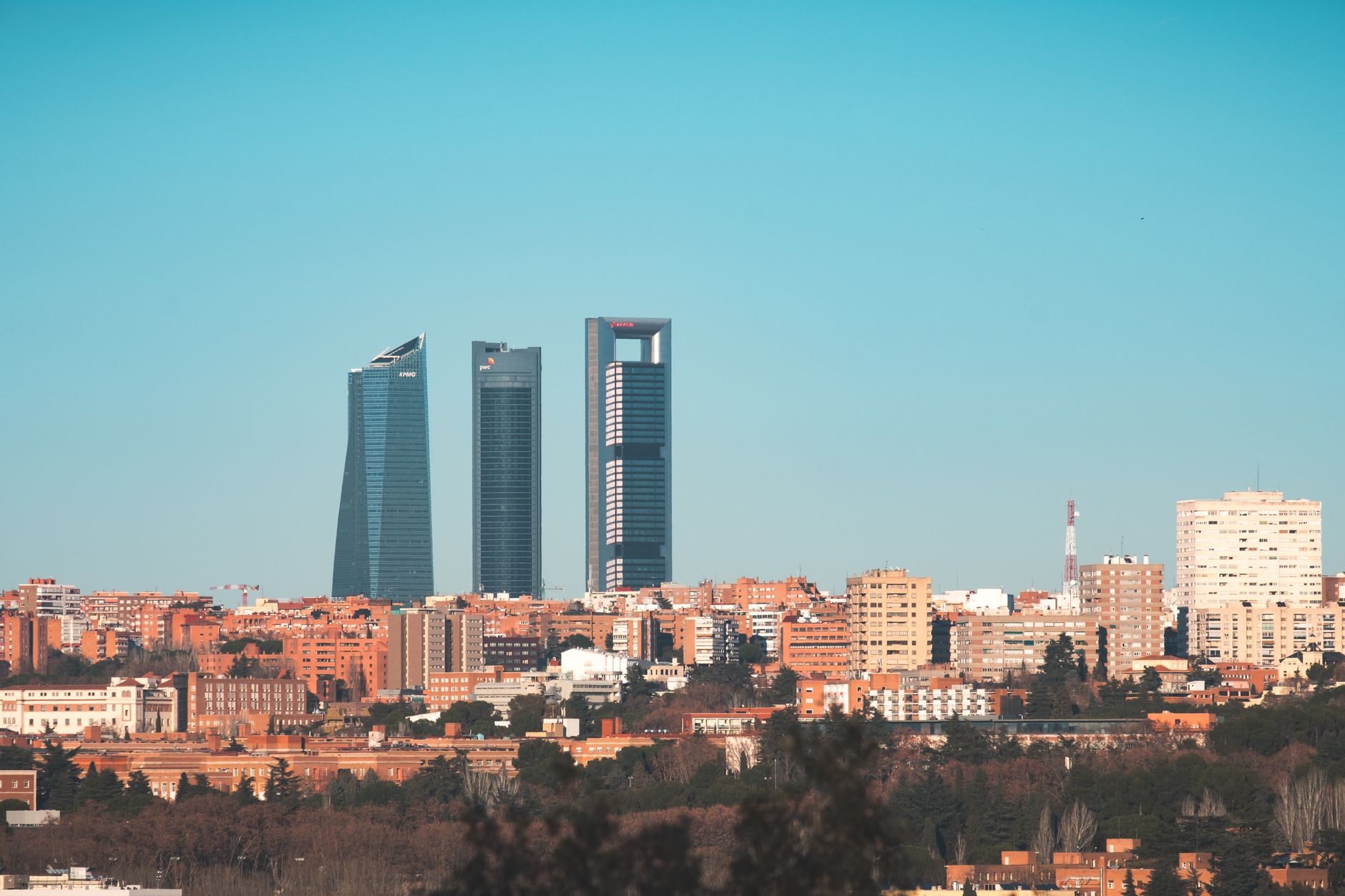
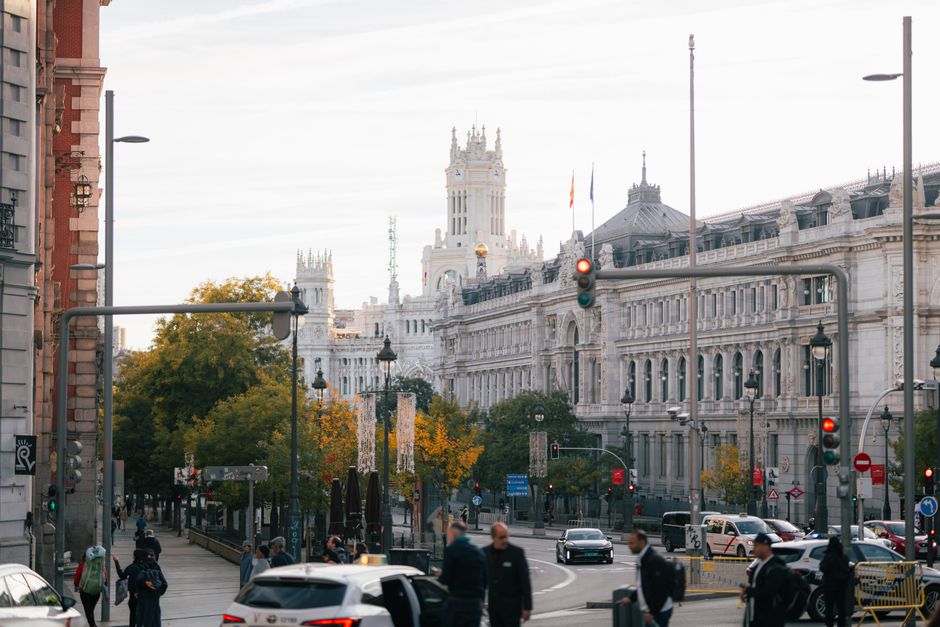
In a city where over 9 million tourists arrived last year alone, standing out requires more than postcards and paella platters. Yet one Madrid-based entrepreneur has managed precisely that, transforming how visitors experience the Spanish capital through a model that prioritises cultural authenticity over volume.
The venture, built around intimate group experiences rather than sprawling coach tours, operates from a modest office near Plaza Mayor and has grown its annual revenue by 340 per cent since 2023. What began as weekend walking tours through Retiro and San Isidro has evolved into a sophisticated network offering everything from artisan food experiences in Malasaña to exclusive access to local design studios in the Chamberí neighbourhood.
The approach addresses a growing frustration among Madrid's municipal authorities. The city's tourism board has repeatedly flagged concerns about over-tourism in central districts, with foot traffic in the Gran Vía corridor reaching dangerous congestion levels during peak season. This entrepreneur's model deliberately redistributes visitor flow toward lesser-known neighbourhoods—generating economic activity where it's genuinely needed whilst reducing pressure on iconic sites.
Data supports the impact. The company now operates approximately 450 experiences monthly, with an average group size capped at eight people. That discipline keeps experiences intimate but generates meaningful revenue: premium walking tours command €75 per person, while multi-day cultural immersions reach €850. Last year, the business generated approximately €1.2 million in turnover and maintains margins that exceed typical hotel concierge services.
Critically, the model benefits Madrid's micro-economy directly. Partnerships with family-run restaurants in quieter barrios, independent craft workshops, and small heritage organisations have created measurable income streams for typically overlooked businesses. A ceramics studio in Vallecas, once facing closure, now hosts weekly visitor groups and reports a 220 per cent increase in direct sales.
The strategy reflects broader industry shifts. International tourism boards increasingly recognise that sustainable growth requires dispersing visitors beyond famous landmarks. Madrid's 2024 tourism strategy explicitly encourages this redistribution, yet few operators have successfully monetised responsible practices at scale.
Looking forward, the entrepreneur has plans to expand operations to Valencia and Seville whilst maintaining the eight-person group limit—a deliberate cap that prioritises quality over the explosive growth that many competitors chase. In a tourism market often defined by short-term extraction, this approach demonstrates that deeper engagement with place, combined with genuine respect for local communities, remains not merely ethical but commercially astute.
As global travel increasingly demands accountability from destinations and operators alike, Madrid's quiet revolution in boutique tourism suggests a blueprint for cities worldwide.
This article was compiled by AI from the sources linked above and screened before publishing. See our editorial standards.