Madrid's Office Boom Is About to Change How You Shop, Eat and Live Downtown
Commercial property reshuffling in the capital means higher rents for businesses—and consumers will feel the pinch in their neighbourhoods.
Commercial property reshuffling in the capital means higher rents for businesses—and consumers will feel the pinch in their neighbourhoods.
Madrid's commercial property market is undergoing a seismic shift that will reshape daily life for residents far beyond the glass towers of the financial district. As office rents surge and major corporations compete for premium space, the knock-on effects are already visible in your local café, corner shop and neighbourhood high street.
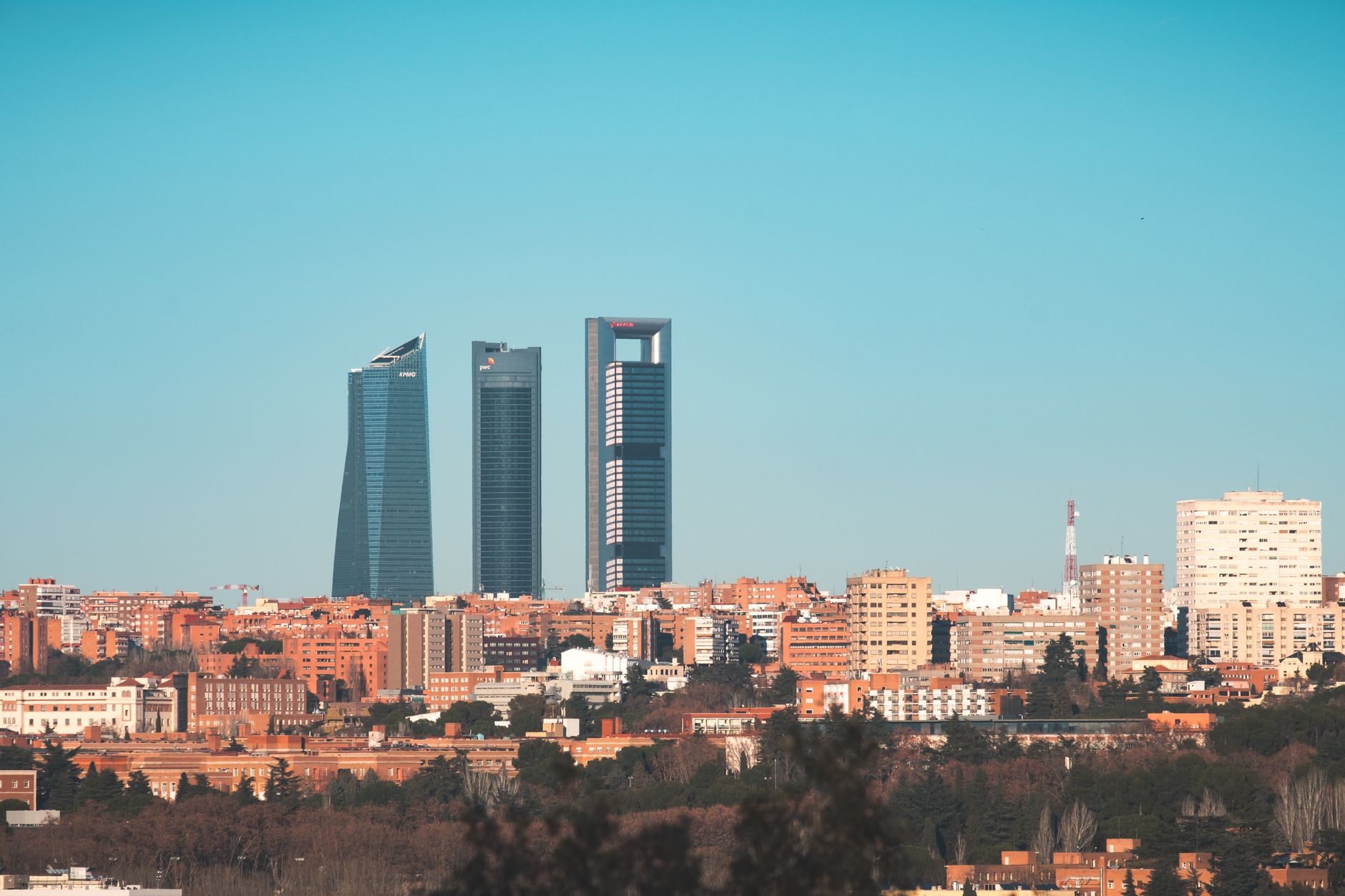
The story begins in Paseo de la Castellana and the Cuatro Torres Business Area, where Grade A office space now commands €25 to €30 per square metre monthly—up nearly 18 percent since early 2024. European firms expanding operations in Spain are driving demand, but landlords aren't content with corporate tenants alone. They're converting underutilised retail and mixed-use properties into office space, particularly in neighbourhoods like Chamberí and Salamanca, where pedestrian footfall once guaranteed thriving independent businesses.
What does this mean for everyday Madrileños? Higher street-level rents. When a property owner can lease to a law firm or tech startup for €2,500 monthly, the family grocer paying €1,200 faces an impossible choice. Small retailers in Chueca and Malasaña—traditionally bohemian quarters—are already reporting lease renewal demands that force closures. The distinctive character of these areas, built on independent bookshops, vintage dealers and neighbourhood bars, is gradually disappearing.
Restaurant and café owners face particular pressure. Prime locations near Metro stations and major plazas—think anywhere near Plaza Mayor or along Calle Serrano—increasingly price out hospitality businesses in favour of corporate dining facilities or chains with deeper pockets. This concentration of wealth in fewer hands accelerates gentrification, making inner Madrid less affordable for service-sector workers who actually power the city's economy.
Commercial agents report that developers are also eyeing residential conversions in secondary neighbourhoods. Properties in Tetuán and San Blas, long considered working-class areas, are attracting investor interest as landlords recognise potential to subdivide buildings and capture higher yields from multiple office tenants rather than residential families.
For residents, understanding these market mechanics is crucial. If your favourite neighbourhood café suddenly shuts, or your local pharmacy closes when lease terms expire, this isn't random misfortune—it's the visible outcome of capital seeking maximum returns. Madrid's commercial property boom benefits investors and multinational firms, but the cost is paid by community cohesion and affordability.
The question facing the city isn't whether commercial property will continue changing hands and concentrating in corporate hands. It's whether Madrid's municipal authorities will act to preserve neighbourhood character and small-business viability before the transformation becomes irreversible.
This article was compiled by AI from the sources linked above and screened before publishing. See our editorial standards.
How does this story make you feel?
Spread the word
About this article
Published by The Daily Madrid
Daily brief
Free, in your inbox before 7am. Weekdays.
More in Business