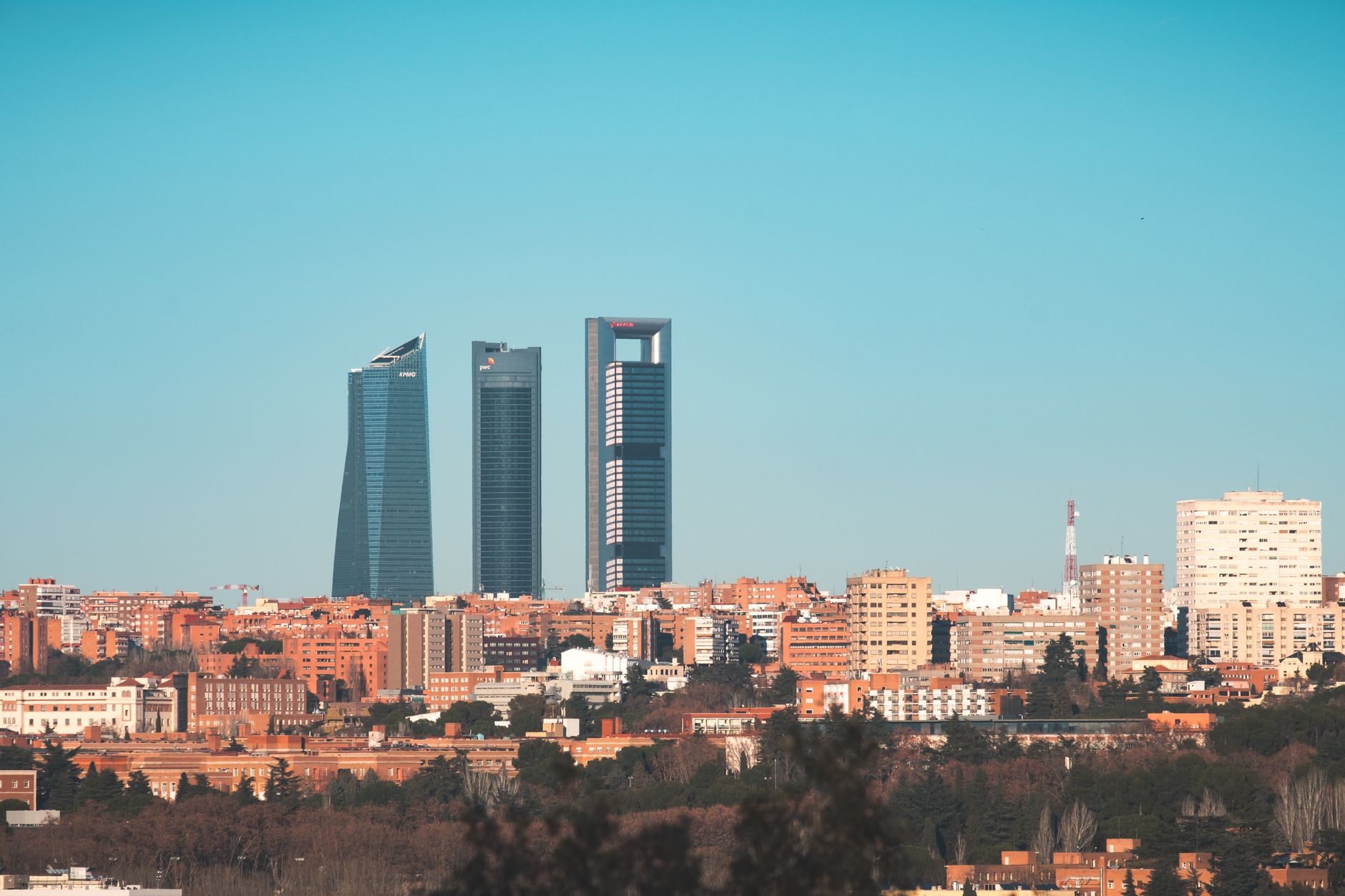
How Madrid's Trade Metrics Signal Europe's Economic Direction
As capital flows shift globally, understanding Spain's investment indicators reveals where multinational confidence—and money—is actually heading.
As capital flows shift globally, understanding Spain's investment indicators reveals where multinational confidence—and money—is actually heading.
Standing on the steps of the Bolsa de Madrid in the historic centro, you can almost feel the pulse of European commerce. But what does the rhythm actually tell us about where global capital is moving in 2026?
Recent data from Spain's National Securities Market Commission shows foreign direct investment into Madrid's business hubs has grown 12% year-over-year, with particular strength in the tech corridor stretching from the Paseo de la Castellana toward the northern suburbs. Technology and fintech ventures attracted €2.3 billion in the first quarter alone, a marked reversal from the cautious sentiment that characterised 2024.
For business leaders monitoring economic headwinds globally, Madrid's indicators offer a useful barometer. The city's logistics sector—centred around the Tres Cantos industrial zone and the Port of Algeciras operations managed from office towers in Chamberí—is processing 18% more containerised goods than last year. This isn't just volume; it reflects shifting supply chains as companies diversify away from traditional Asian routes.
What's particularly telling is where investment isn't flowing. Real estate development in the Salamanca district, once a bellwether for confidence, has slowed. Office space leasing remains robust along Avenida Diagonal, but vacancy rates in secondary buildings have edged toward 8%, suggesting companies are consolidating rather than expanding their physical footprint.
Currency movements matter too. The euro's relative stability against the dollar—trading in a narrow 1.08-1.12 band for months—has made Spanish exports more predictable for trading partners. Firms headquartered in the IFEMA business district report that European clients feel emboldened to sign longer-term contracts, something they avoided when currency swings created unexpected costs.
Employment figures tell another story worth heeding. Madrid's unemployment in the services sector dropped to 11.2% this quarter, yet wage growth remained modest at 2.1%. This disconnect suggests businesses are hiring cautiously, confident enough to expand headcount but not yet convinced growth justifies aggressive salary increases.
For investors scanning European hubs, these metrics converge on a single message: Madrid is attracting capital, particularly in knowledge-intensive sectors, but traditional manufacturing confidence remains muted. The city's positioning as a gateway to both Europe and North Africa continues to draw multinational attention, yet the pace of expansion suggests markets are still pricing in medium-term uncertainty.
Understanding these flows—trade volume, foreign investment, employment, currency dynamics—provides clarity amid global volatility. They remind us that economic recovery isn't uniform or inevitable; it's geographically specific, sector-dependent, and reflected in numbers far more honest than headlines.
This article was compiled by AI from the sources linked above and screened before publishing. See our editorial standards.
How does this story make you feel?
Spread the word
About this article
Published by The Daily Madrid
Daily brief
Free, in your inbox before 7am. Weekdays.
More in Business