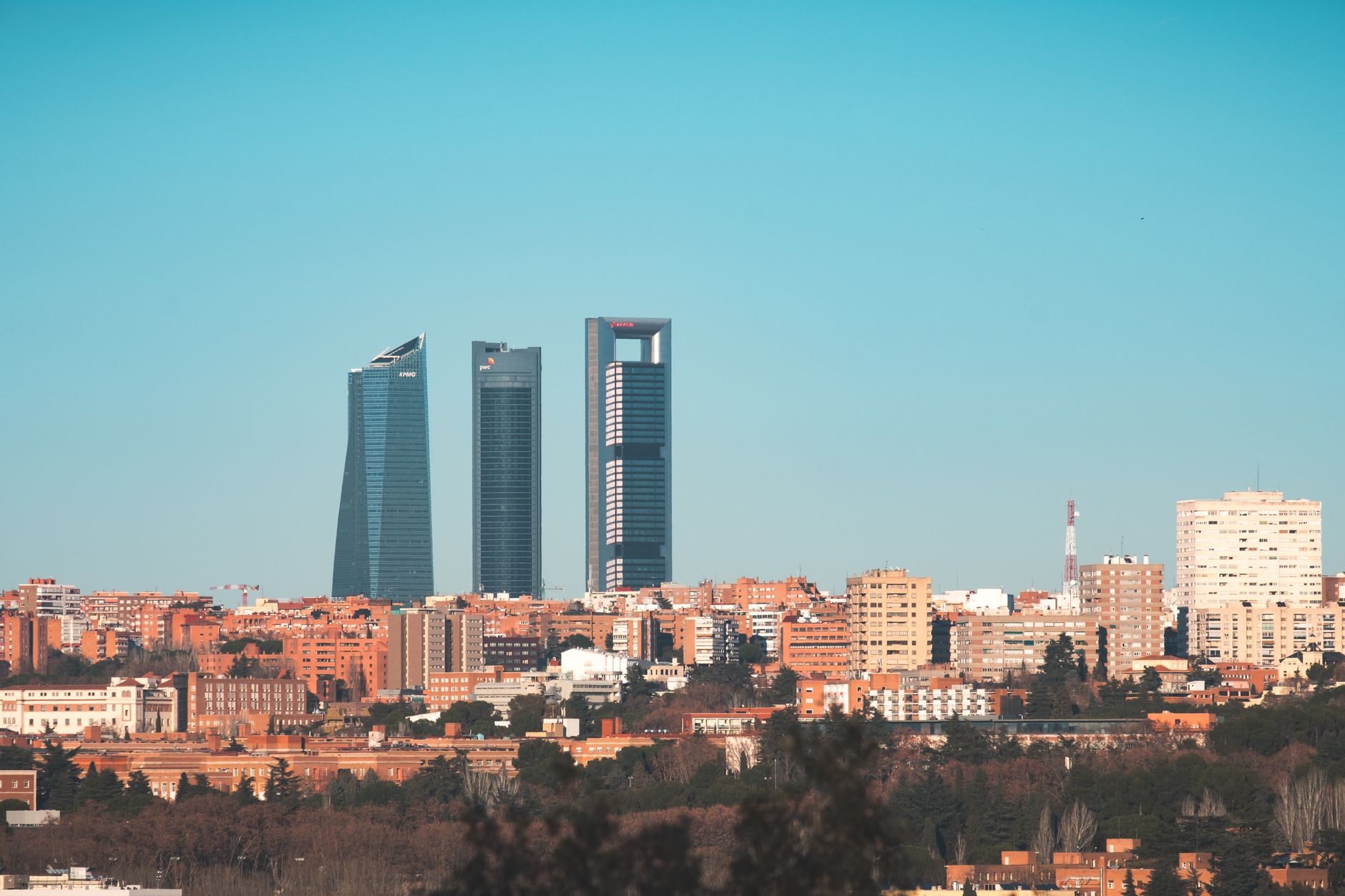
Madrid's business district is undergoing a quiet but profound transformation. As multinational corporations navigate increasingly fragmented global trade routes, the Spanish capital's job market is being redrawn by unfamiliar pressures: companies are competing fiercely for compliance officers, supply chain engineers, and trade finance specialists—roles that barely existed here five years ago.
The shift is most visible along the Paseo de la Castellana, where logistics and import-export firms have expanded their Madrid operations to establish European hubs closer to trade corridors. One recruitment firm specializing in commerce roles reported a 34% year-on-year increase in placements for international trade positions in the first half of 2026. "Businesses can no longer rely on centralized supply chains," explains a senior professional at a mid-sized Madrid consulting firm. "They're building redundancy into their networks, and that means local expertise matters more."
The labour market tension is stark. Average salaries for trade compliance roles have climbed to €52,000–€65,000 annually—roughly 18% above comparable positions in 2023. Meanwhile, traditional office space in neighbourhoods like Chamberí and Salamanca is being converted into specialized logistics coordination centres and trade documentation offices. Real estate professionals report increased demand for mid-range office space near Atocha station, a historic transport hub now serving modern supply chain operations.
This reshaping extends beyond finance. Companies are actively recruiting from Portugal, France, and Italy to fill gaps. One Barcelona-based import firm recently relocated its regulatory affairs team entirely to Madrid, citing better access to European regulatory networks and a growing talent pool. Language skills command premiums: professionals fluent in English, Mandarin, or Arabic earn 22–30% more than monolingual peers in Madrid's trade sector.
Yet challenges persist. Madrid's universities have been slow to adapt curricula to reflect modern trade realities. Business schools along the Gran Vía now offer specialized modules in global supply chain management and international compliance, but corporate recruiters say demand still outpaces supply. The shortage has created opportunities for mid-career professionals willing to retrain, though competition remains intense.
For Madrid's broader economy, the implications are significant. Stable, skilled employment in trade-related roles is attracting younger professionals who might otherwise have migrated to London or Frankfurt. Meanwhile, companies benefit from Madrid's central European location and relatively lower overhead than northern financial hubs. As geopolitical trade tensions persist globally, Madrid's position as a pragmatic European alternative grows more valuable—and its job market increasingly reflects that shift.
This article was compiled by AI from the sources linked above and screened before publishing. See our editorial standards.