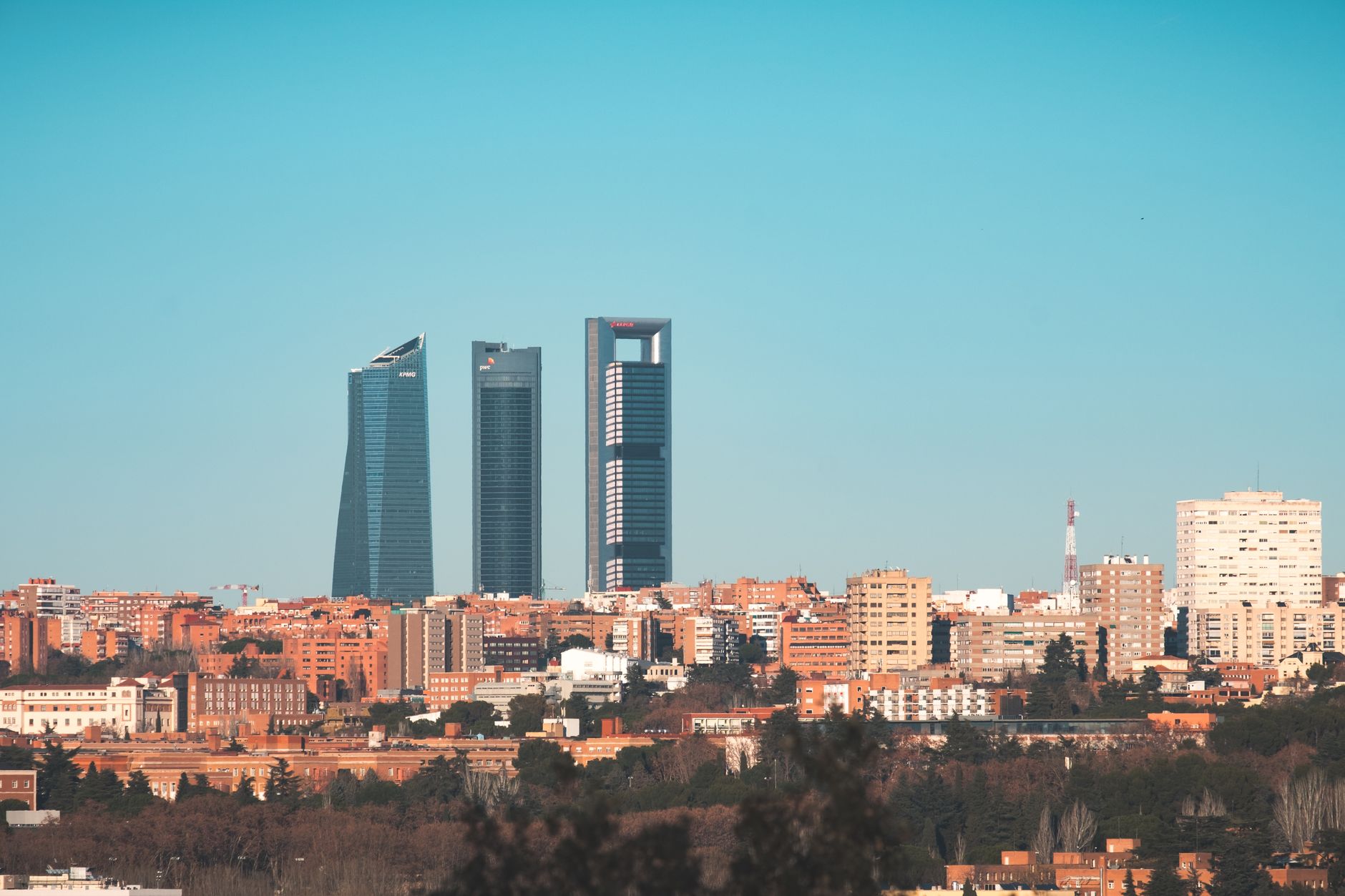
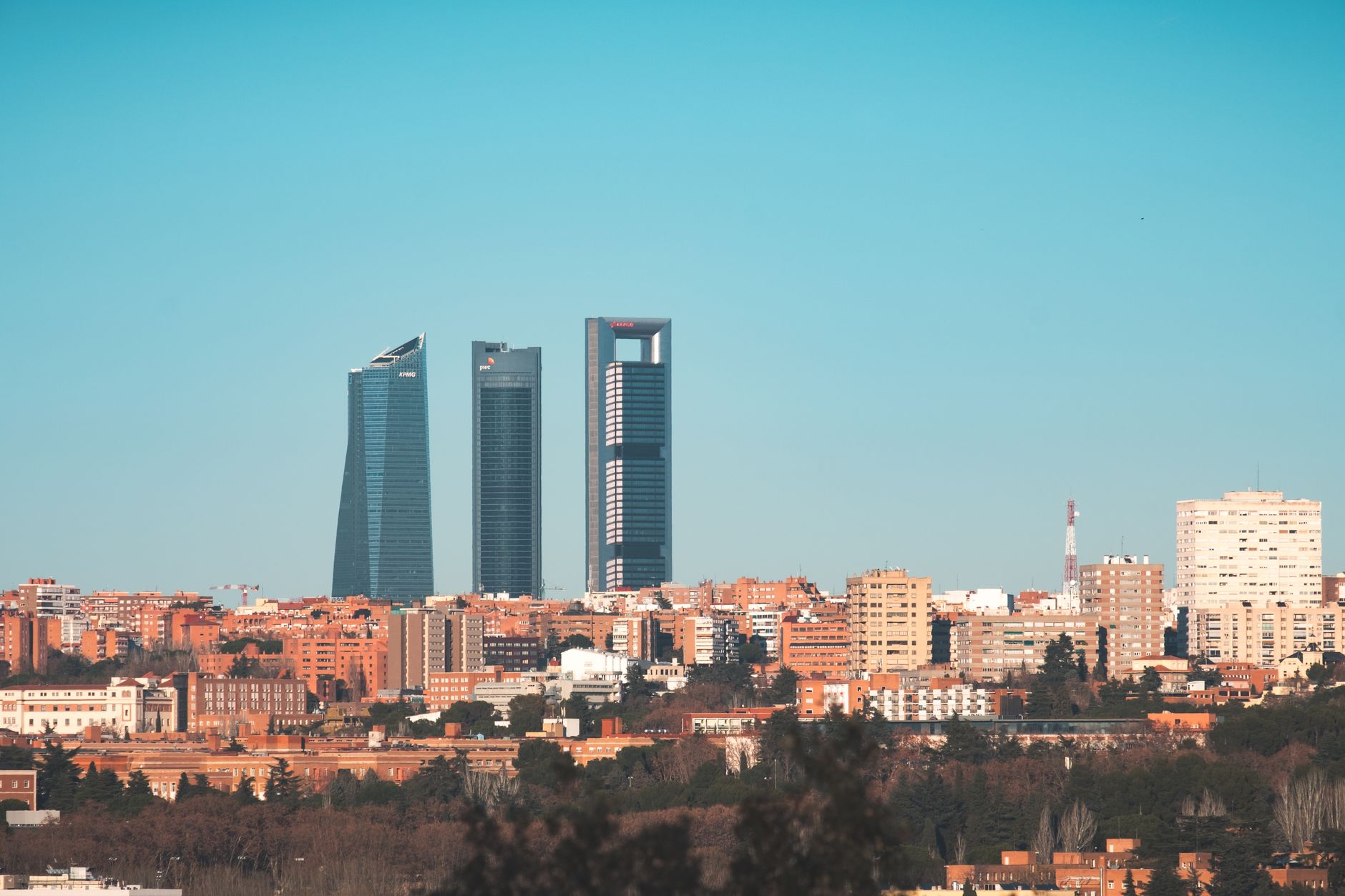
Madrid's hospitality and food sector is entering a pivotal expansion phase, driven by a convergence of returning tourist flows and strengthened domestic consumer spending. Industry data suggests the city's food service and accommodation sectors grew 8.3% year-on-year in the first quarter of 2026, outpacing the broader Spanish economy and signaling genuine structural momentum rather than temporary recovery.
The opportunity is neither evenly distributed nor invisible. Established operators in high-traffic zones—particularly around Plaza Mayor, the Retiro neighbourhood, and the increasingly competitive Malasaña district—are reporting occupancy rates above 82% and average spend-per-cover increases of 12-15% compared to the same period last year. Mid-range establishments with strong digital presence and flexible menu offerings are outperforming their less-agile competitors by significant margins.
Notably, the emerging winners include independent restaurant groups and smaller hospitality operators who've invested in omnichannel strategies. Venues offering delivery integration, loyalty app functionality, and adaptive menus targeting both business lunches and evening leisure traffic are capturing disproportionate share gains. Several consolidators and hospitality investment firms based in Madrid's financial quarter have begun acquiring promising standalone operators, signaling confidence in sustained demand.
The accommodation sector reflects similar dynamics. Budget and mid-market hotels, particularly in secondary neighbourhoods like Chamberí and Salamanca—which offer proximity to commercial zones without central premium pricing—are running at higher utilization rates than five-star properties. Average daily rates for three-star establishments have risen to €95-120, while occupancy hovers near 75%, compared to 68% two years ago.
Foreign investment is accelerating. Several European hospitality groups have announced expansion plans targeting Madrid in 2026-2027, viewing the city as a logical beachhead for southern European market entry. Local licensing and administrative processes remain cumbersome, but operators report more streamlined permitting in certain districts, particularly where municipal governments have prioritized tourism infrastructure.
Challenges persist: labour cost inflation, competitive intensity, and margin compression in certain segments remain structural headwinds. Sustainability requirements and noise ordinances in residential areas are complicating expansion strategies in traditional neighbourhoods. Yet the fundamental opportunity—a city of 3.3 million residents generating €8 billion-plus in annual hospitality revenue, plus recovering international visitation—remains robust.
The window appears genuine but narrowing. Early movers with operational excellence and capital efficiency are consolidating advantages. Late entrants will face a far more crowded, price-conscious landscape within 12-18 months.
This article was compiled by AI from the sources linked above and screened before publishing. See our editorial standards.