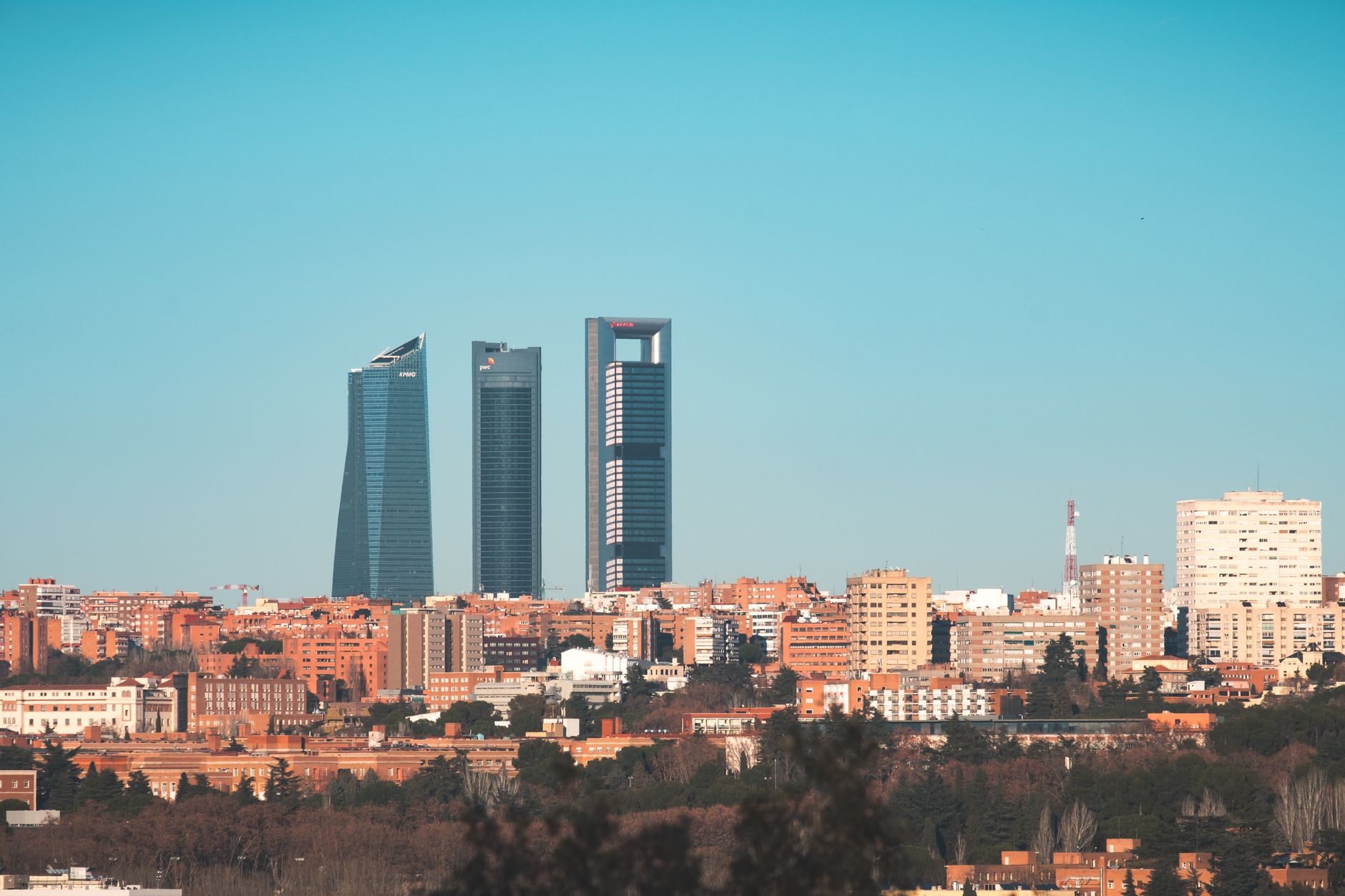
Madrid's job market is undergoing a quiet transformation. While traditional sectors like tourism and finance remain stable, a surge in environmental technology and circular economy businesses is reshaping employment patterns across the city—and not everyone is positioned equally to benefit.
The shift is visible in neighbourhoods like Chamberí and Salamanca, where established consultancy firms and multinational sustainability divisions have expanded their Madrid operations significantly over the past eighteen months. These anchor employers—from renewable energy auditors to waste management innovators—are driving demand for skilled professionals in engineering, data analysis, and environmental compliance roles. Entry-level positions in these sectors typically offer €24,000 to €32,000 annually, substantially above the city's broader service sector average.
However, access to these opportunities remains uneven. Recruitment for technical roles increasingly channels through Madrid's established business schools and professional networks centred around areas like Paseo de la Castellana, where major corporate hubs cluster. Workers from less privileged backgrounds or without formal qualifications report slower pathways into these expanding sectors, despite nationwide labour shortages in green sectors.
The emerging opportunity is particularly lucrative for mid-career professionals pivoting from traditional industries. Several established engineering consultancies with offices near Plaza de Castilla have reported year-on-year hiring increases of 12-15%, with salary premiums of 8-12% for candidates holding sustainability certifications. Meanwhile, smaller environmental startups operating from shared workspaces in Malasaña and Chueca struggle to match these compensation packages, limiting their ability to retain talent.
Data from Madrid's Chamber of Commerce suggests that roughly 3,200 new positions in renewable energy, energy efficiency, and environmental compliance have emerged across the region since early 2025. Yet placement agencies note that approximately 60% of these roles have been filled by professionals already employed in adjacent sectors, rather than by unemployed or underemployed workers entering the field.
For now, Madrid's green job boom appears to be reinforcing existing hierarchies while creating new opportunities for the already-qualified. The question facing city policymakers is whether targeted training initiatives can broaden access before the best positions settle into predictable recruitment patterns dominated by established institutions and professional networks.
This article was compiled by AI from the sources linked above and screened before publishing. See our editorial standards.