Madrid welcomed 9.2 million visitors last year—a figure that dominates tourism ministry announcements and fills property developer boardrooms with optimism. Yet beneath this headline success lies a more complex financial story that reveals how the city's visitor economy is fundamentally transforming.
The economic indicators tell a tale of divergence. While total visitor spending reached €16.8 billion in 2025, occupancy rates in traditional central hotels have plateaued around 78 per cent. Meanwhile, alternative accommodation providers—particularly short-term rentals in neighbourhoods like Malasaña and Chueca—have captured an expanding share of visitor spending. Investment flows reflect this reality: major hotel chains have shifted capital toward mixed-use developments on the periphery rather than central district upgrades.
Consider the data from Spain's National Statistics Institute: average daily hotel rates in Sol and Gran Vía have risen 3.2 per cent year-on-year, yet booking volumes are up only 1.8 per cent. The mismatch matters. Hotels are optimising for margin rather than volume, even as online travel platforms funnel an estimated €2.1 billion annually through non-traditional lodging channels.
This recalibration reshapes Madrid's investment landscape. The city attracted €847 million in tourism-related foreign direct investment during 2025—down from €1.02 billion in 2024. But the composition shifted dramatically. Technology infrastructure and digital payment systems captured 34 per cent of new capital (versus 19 per cent five years ago), while traditional hospitality construction fell to 28 per cent.
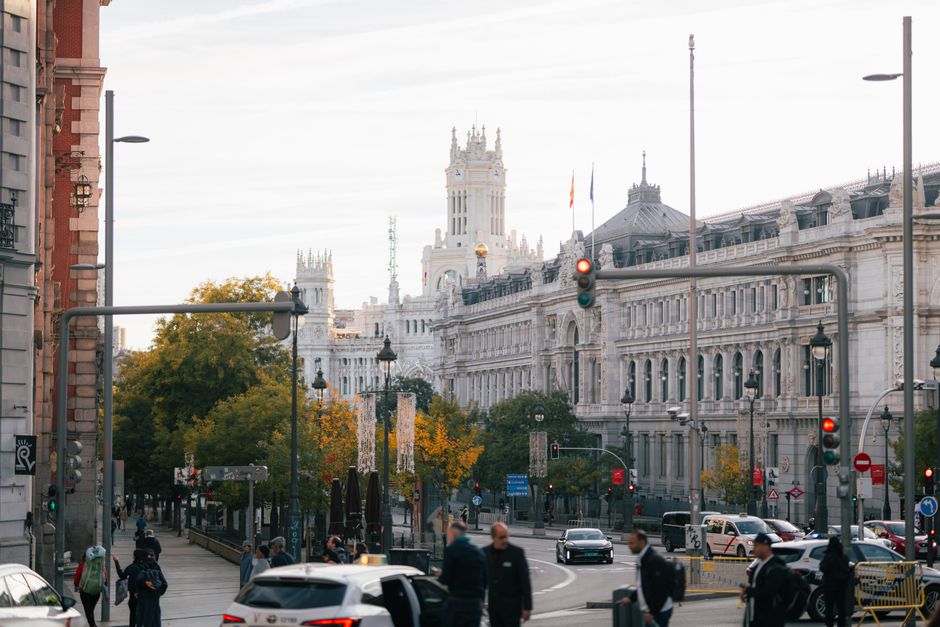
The Paseo del Prado corridor remains the economic engine, with museums and galleries driving foot traffic worth an estimated €340 million annually in retail and F&B spending. Yet investment committees are increasingly eyeing secondary locations: Salamanca's retail renaissance has attracted €156 million in recent quarters, while the riverfront Manzanares regeneration project represents a €420 million bet on dispersing visitor spending eastward.
Employment metrics amplify the transformation. Tourism-sector jobs grew 4.1 per cent last year, but the gains concentrated in digital roles and guest services rather than traditional housekeeping and kitchen positions. Wage data suggests polarisation: management-level positions in tourism companies rose 7.8 per cent, while entry-level wages grew just 1.2 per cent.
For policymakers and investors, the lesson is clear: Madrid's tourism economy is expanding, but the money is flowing through different pipes than a decade ago. Understanding these investment currents—not just visitor tallies—determines which neighbourhoods thrive and which struggle with uneven development.
This article was compiled by AI from the sources linked above and screened before publishing. See our editorial standards.