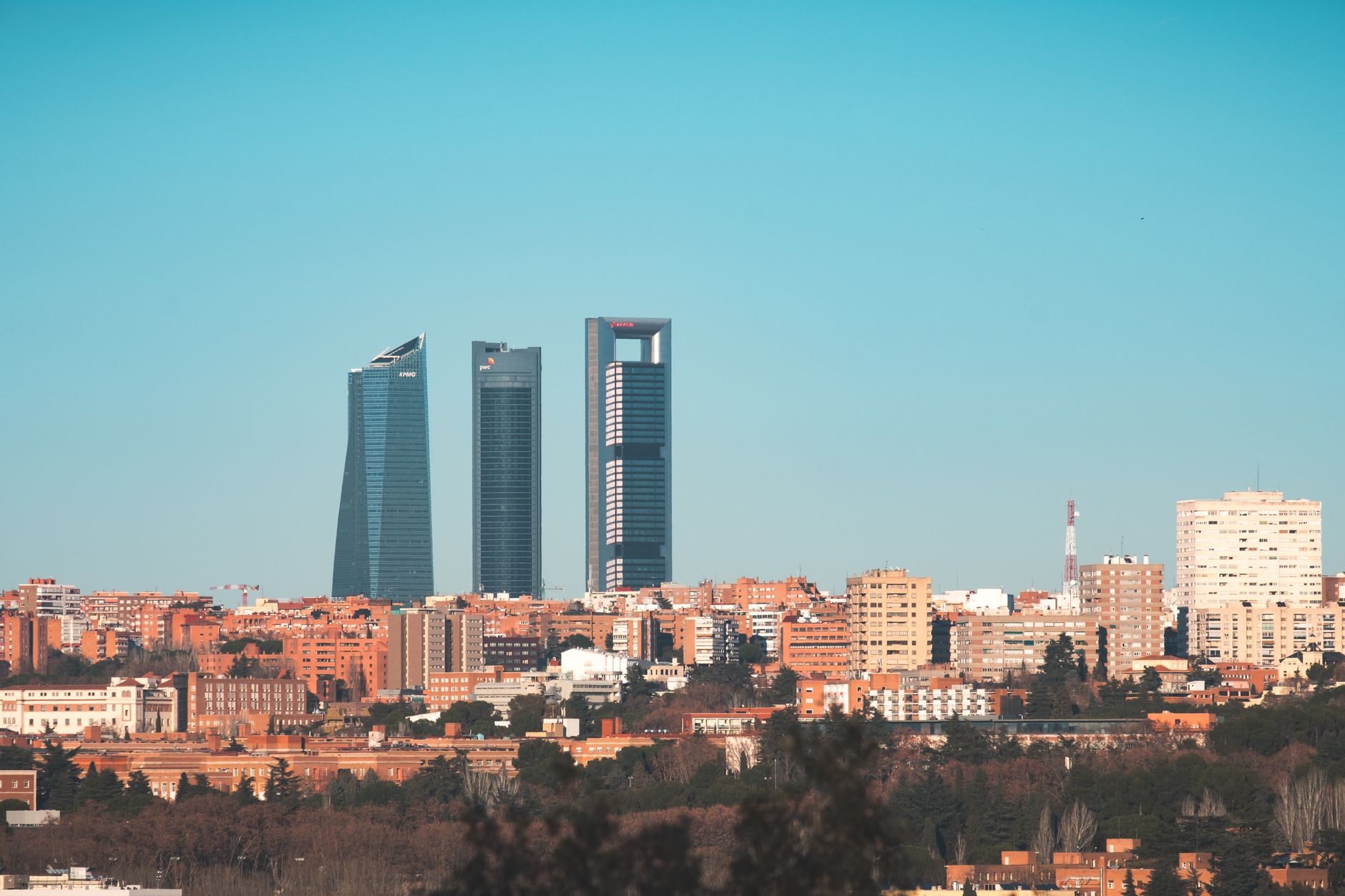
In a converted loft above a tapas bar on Calle de los Libreros, Isabel Moreno oversees a logistics operation that has quietly become Spain's bridge to African commerce. Her company, TradeRoute Ibérica, launched in 2019 with just three employees and a handful of shipping containers. Today, it coordinates supply chains across 23 countries, employing 156 people across Madrid, Lisbon, and Casablanca.
The numbers tell a remarkable story. TradeRoute's annual turnover reached €47 million last year—a 34 percent jump from 2024—with particular strength in technology components, textiles, and agricultural products. What started as a response to supply chain chaos during the pandemic has evolved into something far more strategic: a reliable corridor for Spanish manufacturers seeking to expand into West Africa without the usual friction.
"Madrid companies were losing deals because they couldn't guarantee delivery timelines," Moreno explained during a recent industry panel at the Chamber of Commerce on Paseo de Recoletos. "We solved that by embedding ourselves locally, understanding regulations, building relationships with ports and customs officials. It's not revolutionary—it's just patient, systematic work."
The model has attracted attention from Madrid's investment community. In March, the company secured €12 million in Series A funding from Madrid-based venture capital firm Santander Innovation Ventures, alongside backing from Portuguese and Moroccan investors. This capital is being deployed to automate warehouse operations in the Vallecas district and expand real-time tracking capabilities.
TradeRoute's success reflects a broader shift in how Spanish businesses approach global trade. Rather than competing purely on labor costs—a losing proposition against Asian manufacturers—Madrid-based companies increasingly differentiate through logistics sophistication, regulatory expertise, and cultural proximity to French and African markets. Spain's historical connections to Latin America and North Africa position it uniquely for this role.
The company's growth hasn't gone unnoticed by competitors. DHL and Geodis have both expanded African operations in recent months, signaling intensifying competition. Yet Moreno's operation maintains advantages: lower overhead than multinational rivals, intimate knowledge of Spanish export regulations, and relationships built over years with port authorities in Casablanca and Lagos.
As geopolitical tensions reshape global supply chains and European companies seek alternatives to Asian concentration, TradeRoute's trajectory suggests Madrid's role as a business hub may extend far beyond Europe's borders. For now, the real story unfolds in those spreadsheets above Calle de los Libreros—where logistics meets opportunity.
This article was compiled by AI from the sources linked above and screened before publishing. See our editorial standards.