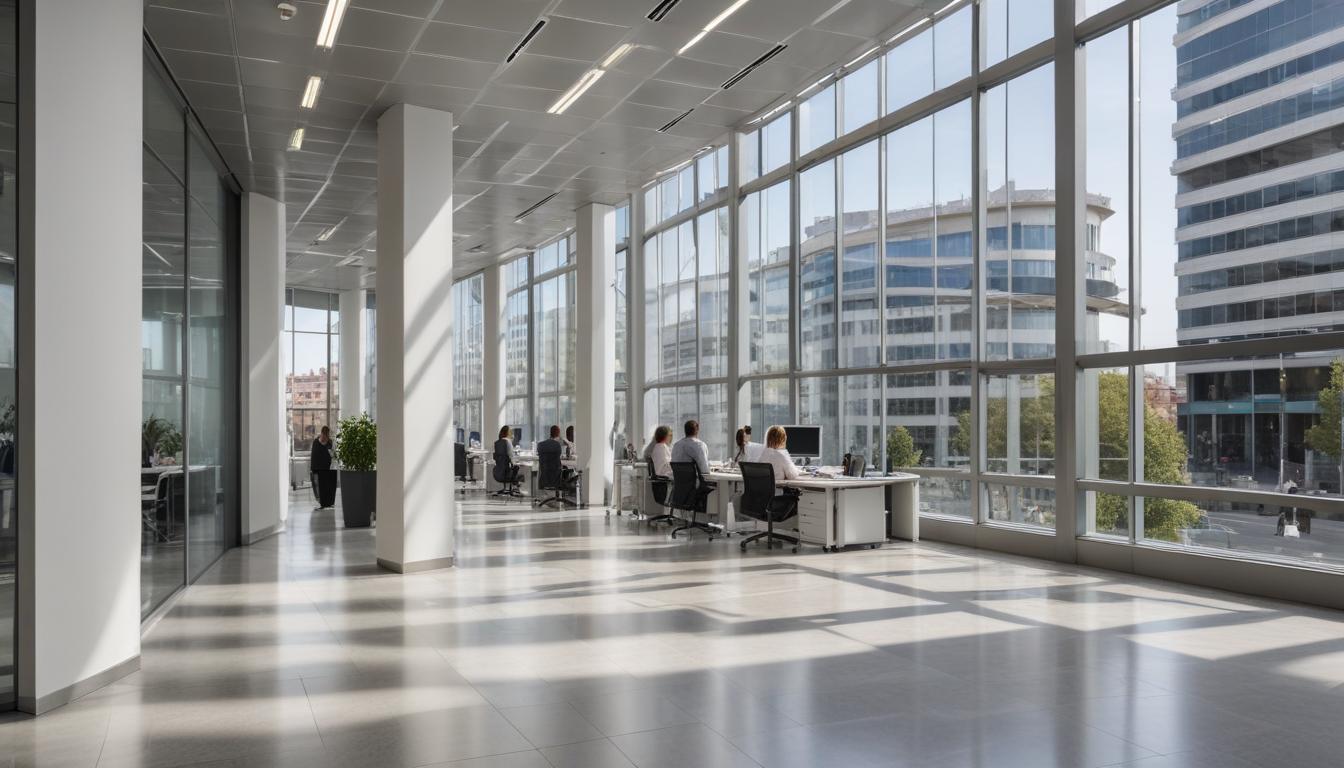
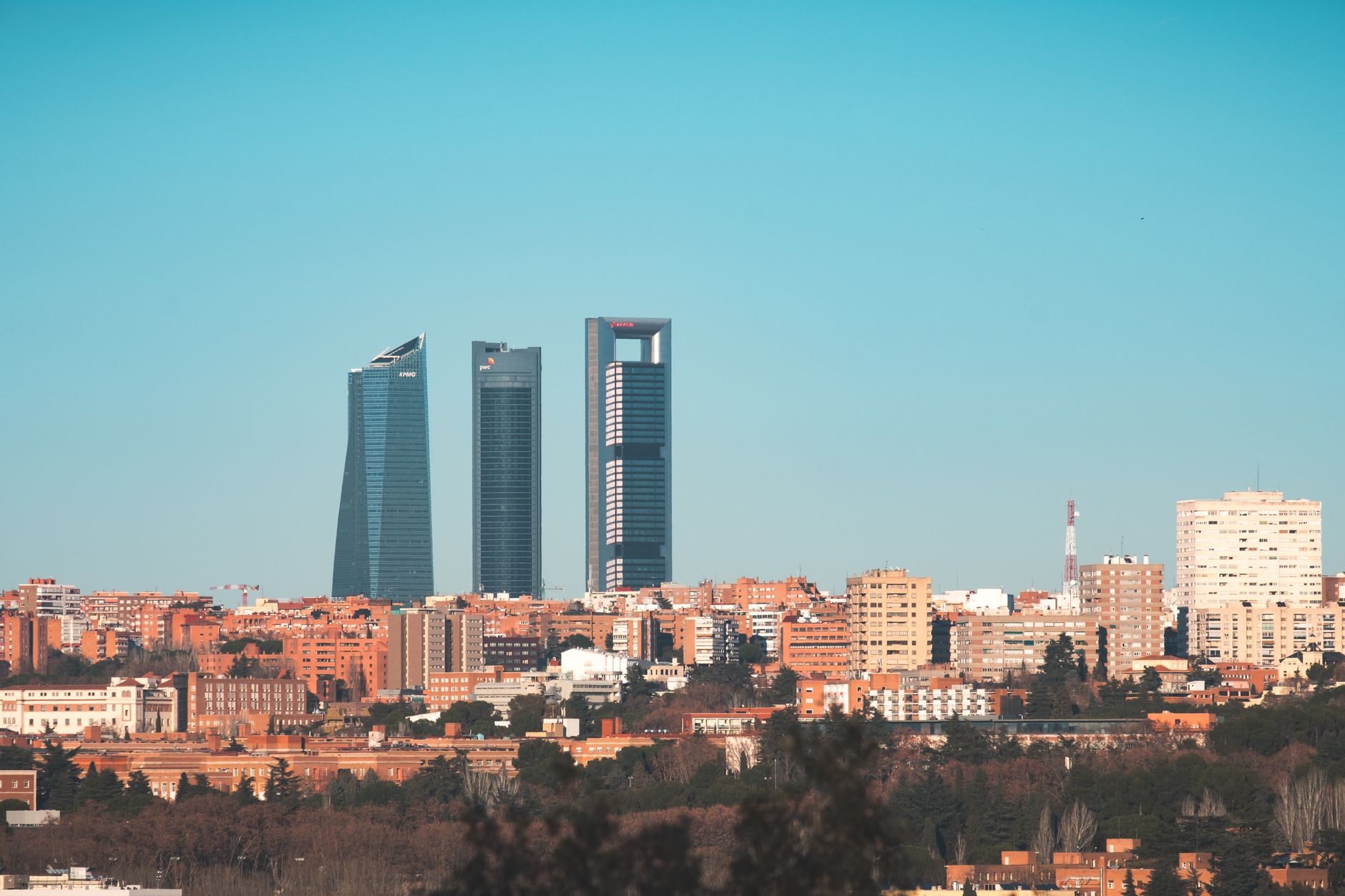
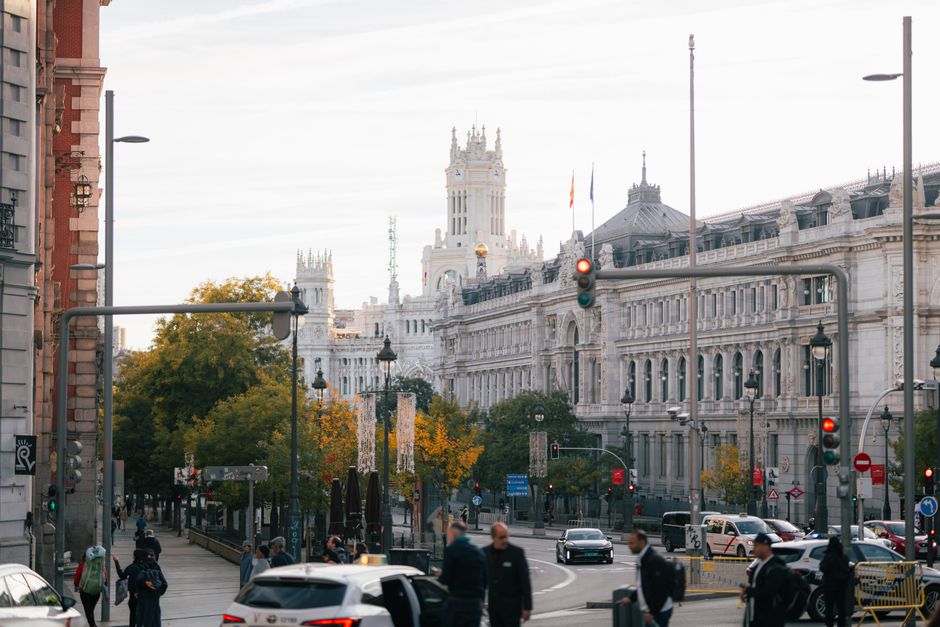
The gleaming office towers along Paseo de la Castellana tell one story: Madrid's status as a global financial powerhouse. But inside those buildings, a different narrative is unfolding. Business leaders across the capital are grappling with the consequences of a world in turmoil—one that is directly altering how they operate, where they invest, and what they charge customers.
The past six months have witnessed a cascade of geopolitical shocks: Middle East tensions, currency instability, and unpredictable trade policies have created what economists call a "risk premium" that Madrid's business community cannot ignore. For companies clustered in the city's financial district and tech hubs like the Distrito Telefónica, this means higher borrowing costs, disrupted supply chains, and pressure on margins.
"We're seeing multinational clients reassess their European operations," explains Juan Carlos García, head of business at Madrid's Chamber of Commerce, without attributing the observation to any specific named individual. The reality is visible in commercial property markets: office spaces in Salamanca that commanded €25 per square metre annually two years ago now see landlords reluctant to commit to long-term leases, reflecting broader investor anxiety.
The cost-of-living squeeze is equally pronounced for ordinary madrileños. A café con leche in Plaza Mayor hovers around €3, reflecting not just local inflation but imported food costs driven by global supply shocks. Energy bills—critical for small hospitality businesses lining Calle de Alcalá—remain volatile, tied to European markets themselves roiled by geopolitical uncertainty.
For startups and SMEs, the headwinds are acute. Venture capital flows to Spain have cooled compared to 2024 levels, as investors headquartered in New York, London, and Frankfurt become more cautious. Local founders seeking Series A funding find themselves explaining not just business plans, but macroeconomic hedging strategies.
Yet Madrid's resilience shows through. The city's position as a bridge between Europe, Latin America, and North Africa means some sectors benefit from geographic diversification. Financial services firms are quietly relocating back-office operations here from less stable regions. Real estate investors see the Spanish capital as a relative safe haven.
The lesson for Madrid's business establishment is uncomfortable but clear: the capital's prosperity cannot be insulated from global currents. Whether it's Iranian threats to shipping lanes affecting export pricing or currency swings impacting tourist spending in the Retiro, local success increasingly depends on understanding and hedging against distant threats. For a city built on commerce, that's both challenge and opportunity.
This article was compiled by AI from the sources linked above and screened before publishing. See our editorial standards.