Madrid's Export Sector Faces Currency Headwinds as Global Trade Routes Shift
With the euro under pressure and supply chains reconfiguring, Spanish businesses operating from the capital must adapt to a fundamentally altered trading landscape.
With the euro under pressure and supply chains reconfiguring, Spanish businesses operating from the capital must adapt to a fundamentally altered trading landscape.

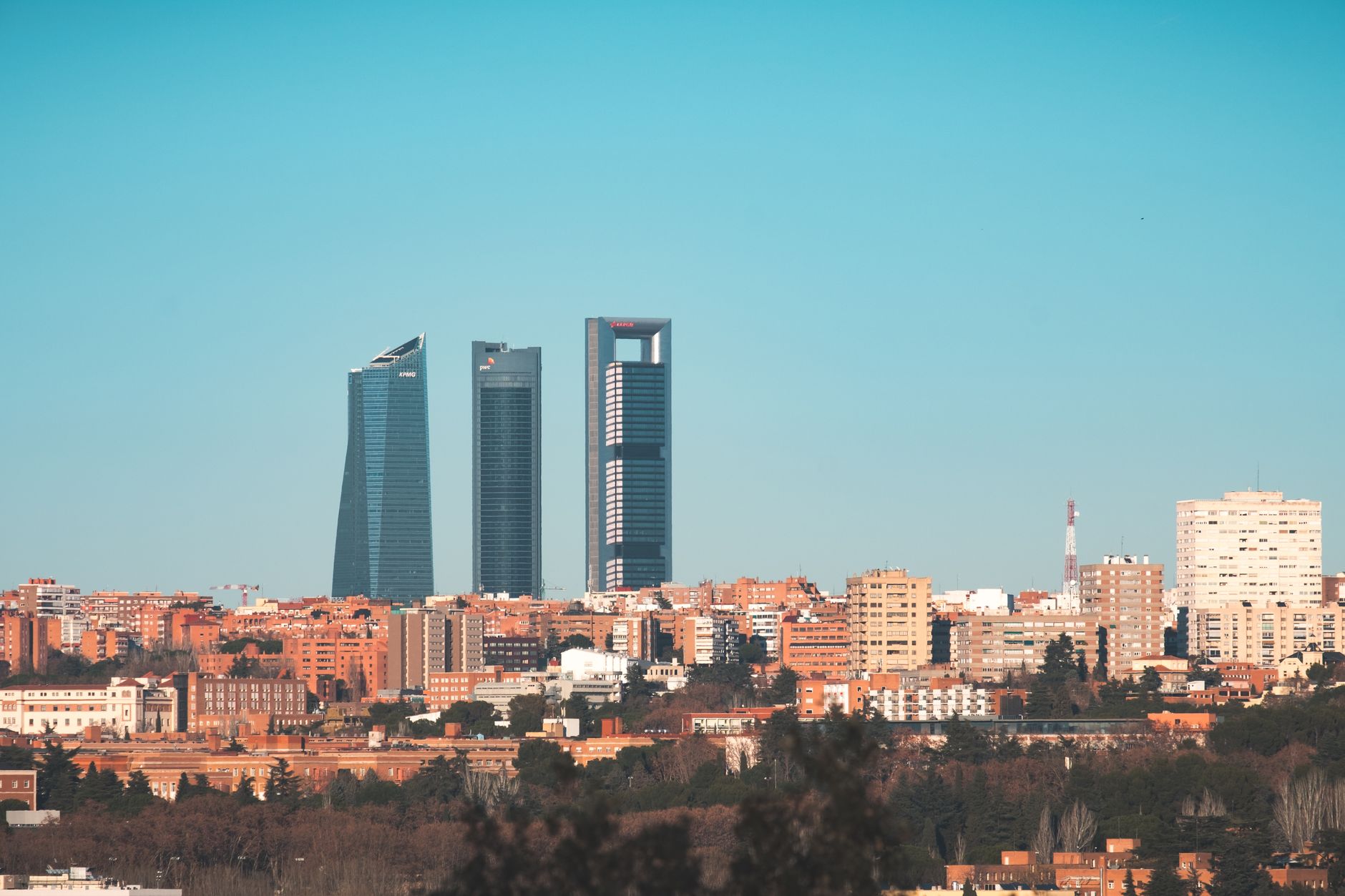
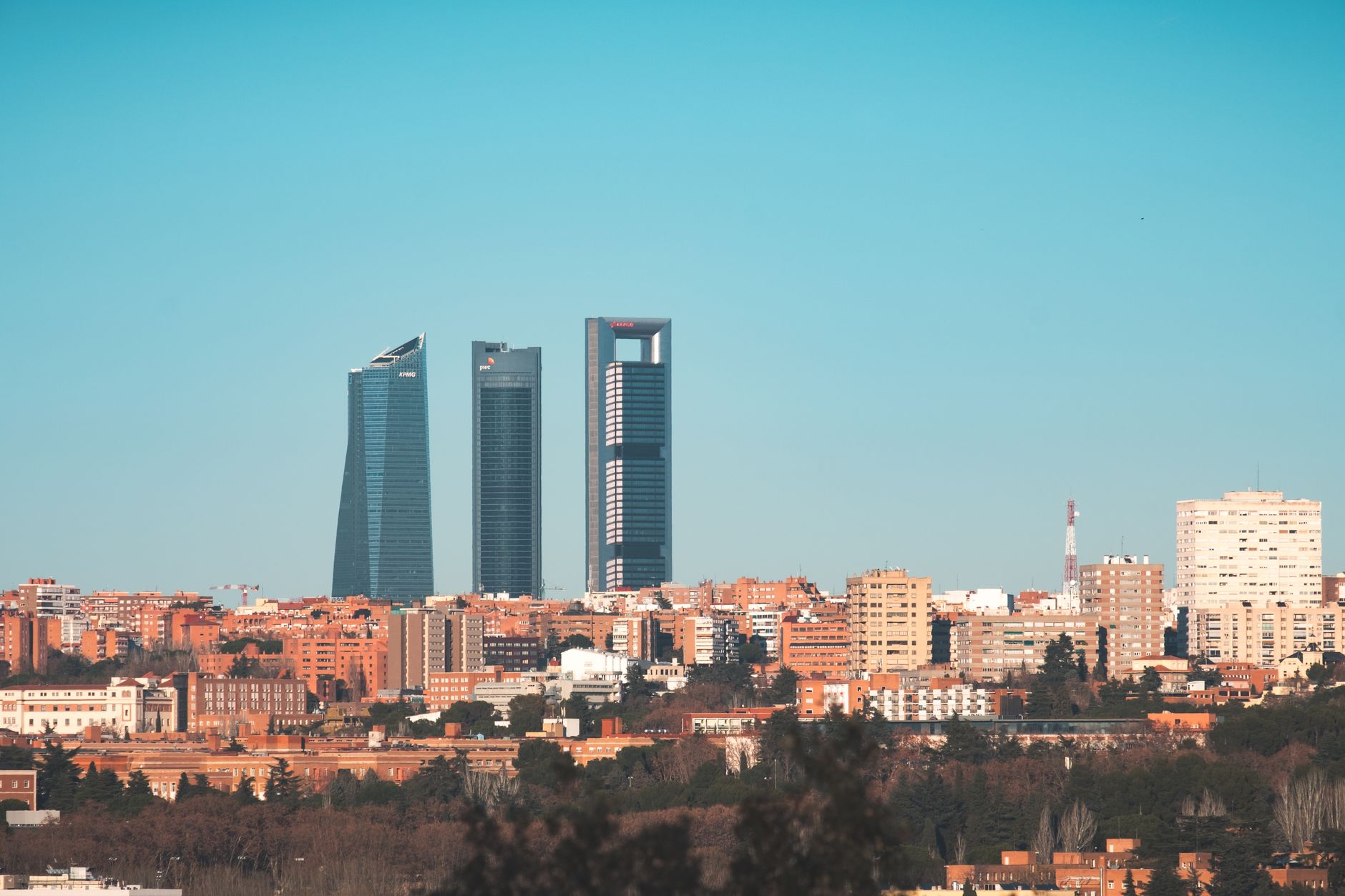
Madrid's business district—from the gleaming towers of Paseo de la Castellana to the established trading houses of Plaza de Cibeles—is grappling with a stark reality: the rules governing international commerce have shifted dramatically in mid-2026, and local exporters must act fast.
The Spanish Chamber of Commerce reports that currency volatility has become the primary concern for Madrid-based trading firms, with the euro fluctuating between 1.04 and 1.09 against the dollar over the past six months. For companies like those clustered around the Parque Empresarial La Moraleja, where logistics and import-export operations concentrate, this instability directly impacts margins on contracts already signed in foreign currency.
"Businesses that locked in rates even three months ago are now seeing significant headwinds," explains analysis from the Madrid branch of ICEX Spain Trade and Investment. The organisation notes that companies with exposure to dollar-denominated contracts—particularly those serving North American clients—are reviewing hedging strategies with renewed urgency.
Beyond currency concerns, supply chain reconfiguration is reshaping where Madrid businesses source materials and where they sell finished goods. Rising freight costs on traditional Atlantic routes have prompted some operations near the port corridors to explore alternative logistics hubs. The shift is particularly acute for automotive suppliers and industrial manufacturers whose headquarters or distribution centres sit in the northern suburbs.
Meanwhile, regional protectionist policies are complicating the landscape. Tariff discussions between major trading blocs have created uncertainty around bulk orders. Firms operating from the commercial zones around Avenida de Brasil report that clients are placing smaller, more frequent orders rather than quarterly commitments—a trend that increases operational complexity.
For Madrid's mid-market exporters, the advisory is clear: diversification of trading partners is no longer optional. Companies concentrated on single markets face particular risk. Additionally, those investing in digital supply chain visibility tools—real-time tracking, automated customs documentation, currency management platforms—are positioning themselves more competitively than competitors relying on traditional systems.
The Madrid business community's adaptability has historically been a strength. Companies operating from the city's established business districts have weathered previous market shocks. But this moment demands proactive strategic review rather than wait-and-see approaches. For those willing to invest in supply chain resilience and currency management now, the opportunities to capture market share from less-agile competitors remain substantial.
This article was compiled by AI from the sources linked above and screened before publishing. See our editorial standards.
How does this story make you feel?
Spread the word
About this article
Published by The Daily Madrid
Daily brief
Free, in your inbox before 7am. Weekdays.
More in Business