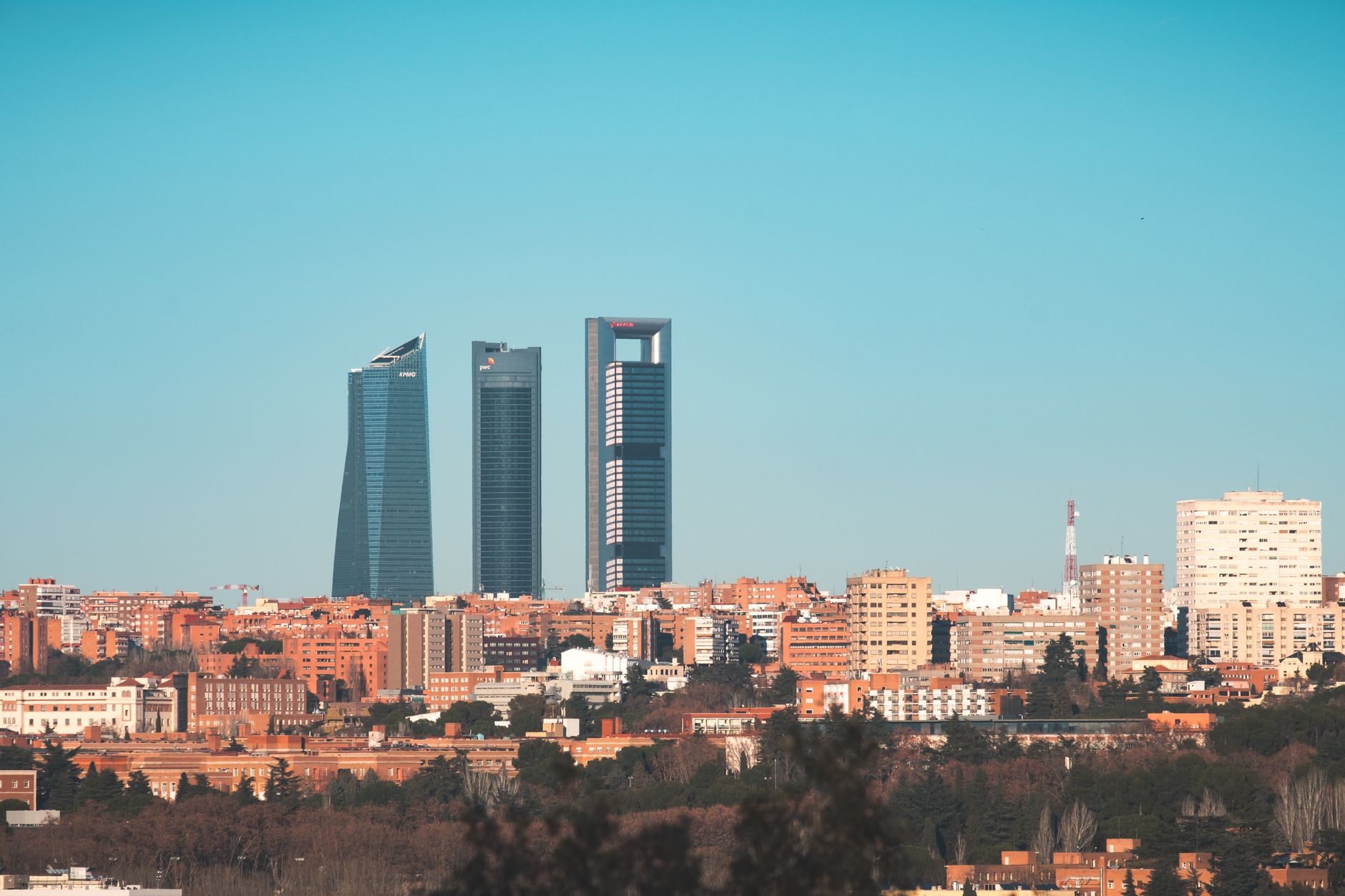
The gleaming office towers lining Paseo de la Castellana tell a story of Madrid's ambitions as a global trading hub, yet behind the glass facades, executives are increasingly grappling with a sobering reality: 2026 has delivered a cascade of headwinds that few anticipated.
The city's international business community, concentrated around the financial district and the logistics corridors servicing the nearby port of Algeciras, is facing a toxic cocktail of geopolitical instability and economic uncertainty. Trade flows through the Strait of Hormuz remain precarious following escalating tensions between the United States and Iran, directly threatening supply chains for Madrid-based import-export firms that rely heavily on Middle Eastern oil and manufactured goods.
Data from Madrid's Chamber of Commerce reveals a concerning trend: cross-border transaction volumes declined 8.2 per cent in the first half of 2026 compared to the same period last year. Companies operating from business centres in Chamberí and the Plaza de España district report longer lead times, elevated shipping costs, and mounting insurance premiums for maritime routes.
"The situation is materially worse than 2022," according to industry observers tracking logistics costs at the Mercado de Divisas, Madrid's currency exchange hub. Freight rates on key Asian routes have climbed 23 per cent since January, squeezing margins for mid-sized trading companies that cannot absorb these costs through price increases without losing competitiveness.
Protectionist sentiment compounds the problem. New tariff regimes emerging in major markets have forced Madrid-based exporters—particularly those in automotive components, textiles, and agricultural products—to recalibrate pricing strategies and explore alternative markets. The recent Pakistan-Afghanistan tensions, whilst geographically distant, have disrupted logistics networks that funnel goods through Central Asia into European markets.
Currency volatility presents another layer of complexity. The euro's fluctuations against the dollar have created hedging challenges for smaller firms lacking sophisticated financial instruments, particularly those clustered around the business parks in Las Rozas and Majadahonda on Madrid's periphery.
Yet Spanish traders are adapting. Several firms have begun diversifying supply chains away from single-source dependencies, whilst others are accelerating investment in nearshoring arrangements with North African partners. The Port Authority of the State, which manages Algeciras, continues upgrading infrastructure to maintain competitive advantage.
For Madrid's trading sector, the remainder of 2026 hinges on whether geopolitical tensions ease and whether protectionist momentum can be contained. Until then, uncertainty remains the default operating environment.
This article was compiled by AI from the sources linked above and screened before publishing. See our editorial standards.