Madrid's Cost-of-Living Crisis Is Forcing Tech Talent to Look Beyond Chamberí
As housing and living expenses surge in Spain's capital, companies are scrambling to retain workers and reimagine where Madrid's best jobs can actually be performed.
As housing and living expenses surge in Spain's capital, companies are scrambling to retain workers and reimagine where Madrid's best jobs can actually be performed.
The gleaming office towers around Paseo de la Castellana tell one story about Madrid's appeal as a global business hub. But walk into any startup accelerator in the Malasaña district these days, and you'll hear another: talented professionals are voting with their feet, and the city's soaring cost of living is reshaping the very geography of work.
Rental prices in central Madrid neighbourhoods have climbed nearly 18% over the past two years, with a one-bedroom apartment in Chamberí now averaging €1,100 monthly. For junior developers or mid-career professionals earning €28,000 to €40,000 annually—competitive salaries by Spanish standards—the mathematics no longer work. Transport costs from outer suburbs like Fuenlabrada add another €50-60 weekly, cutting into already tight budgets as inflation erodes purchasing power across the board.
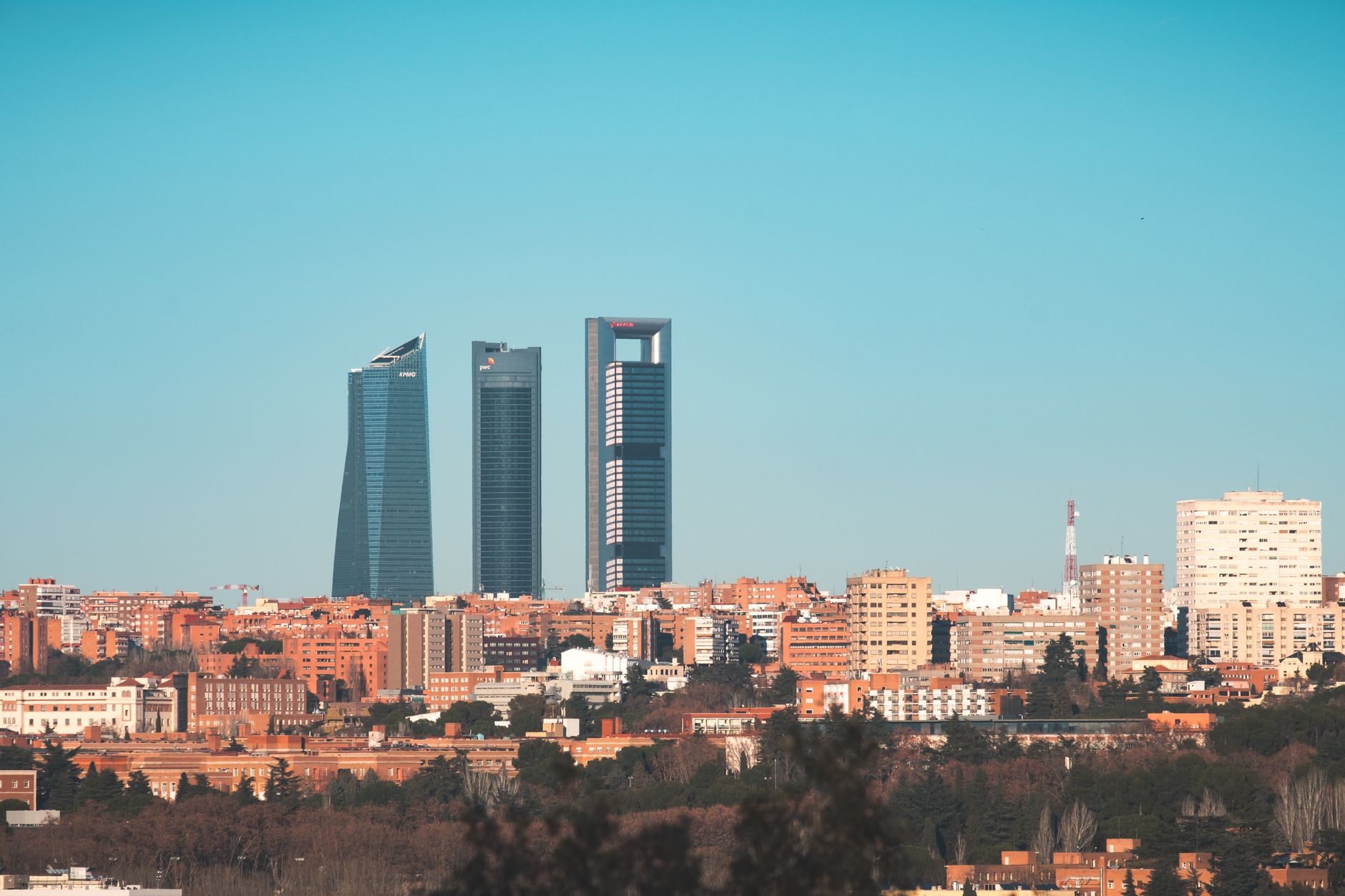
Major employers are adapting. Tech firms clustered around the Cuatro Torres business district are increasingly offering remote flexibility or satellite offices in secondary cities like Alcalá de Henares and Toledo, where living costs drop by 25-35%. Multinational financial services companies, traditionally anchored to Madrid's central business districts, are experimenting with hybrid models that reduce the pressure on workers to maintain expensive city-centre apartments.
"We've lost three senior product managers to Barcelona in the last eighteen months," one HR director at a fintech firm on Calle Núñez de Balboa confided recently. "Not because of compensation—because their salary doesn't stretch as far here anymore."
The talent shift is forcing strategic recalibration. Recruiting agencies report that candidates now rank cost-of-living adjustment and flexible work arrangements ahead of traditional perks. Educational institutions like IE University and ESADE, which feed Madrid's professional pipeline, are seeing graduates delay moves to the capital or negotiate roles with regional flexibility built in from day one.
Some organisations are turning adversity into advantage. A growing cluster of innovation hubs in the Retiro area and emerging workspaces across the Arganzuela neighbourhood are positioning themselves as alternatives to premium Paseo de la Castellana rents, attracting younger companies willing to trade prestige for operational efficiency.
The challenge for Madrid's economic future is stark: retain the human capital that drives its competitive edge, or watch the next generation of talent reshape Spain's business landscape around more affordable cities. For now, the city remains Spain's undisputed economic centre—but that dominance, for the first time in years, genuinely feels negotiable.
This article was compiled by AI from the sources linked above and screened before publishing. See our editorial standards.
How does this story make you feel?
Spread the word
About this article
Published by The Daily Madrid
Daily brief
Free, in your inbox before 7am. Weekdays.
More in Business