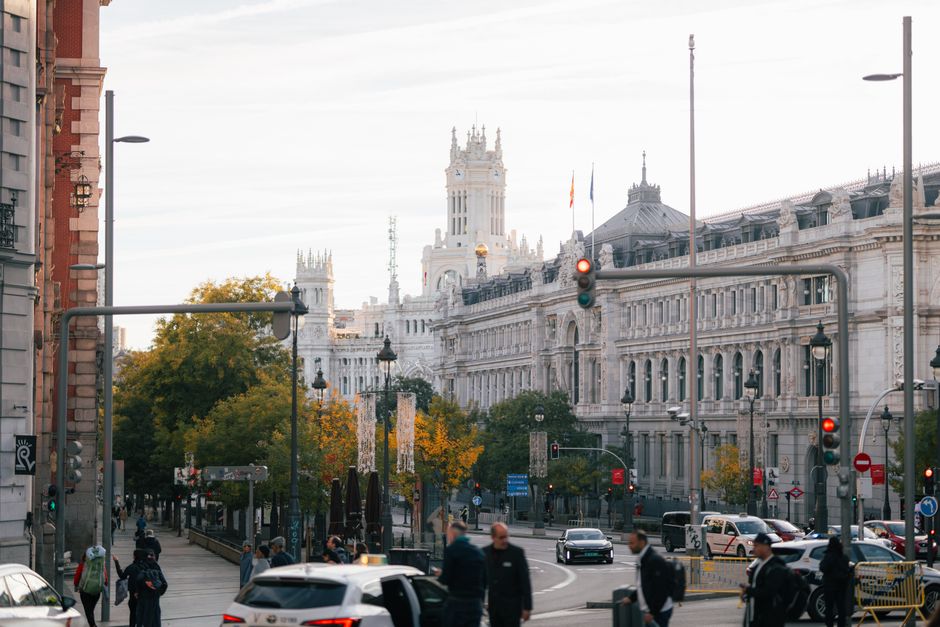
Walk down Calle Fuencarral on a Saturday afternoon and you'll notice something shifting beneath Madrid's familiar retail landscape. Between the flagship brands sit independent cafés, vintage boutiques, and specialist food shops—many opened within the last three years by entrepreneurs betting their futures on neighbourhood authenticity rather than corporate formulae. For everyday residents, this transformation carries both practical and economic implications worth understanding.
The numbers tell an interesting story. According to Madrid's Chamber of Commerce, independent retailers now account for roughly 68% of small commerce in central districts like Malasaña and Chueca, up from 61% in 2022. These aren't luxury ventures targeting tourists; many operate on razor-thin margins, typically 12-18%, compared to multinational chains enjoying 25-35% markups. What does this mean for you? Prices at independently-owned grocers on Calle del Espíritu Santo often undercut supermarket chains by 3-7% on fresh produce, though speciality items may cost more.
But the real shift concerns accessibility and community economics. When you spend €15 at a family-run panadería in Latina rather than a national chain, approximately 70% stays circulating within Madrid's local economy, versus roughly 15% from chain-store spending that flows to regional headquarters or abroad. Over a year, that compounds significantly across thousands of residents.
However, entrepreneurs face genuine headwinds. Commercial rent on prime streets has risen 22% since 2023, forcing many operators toward secondary locations. A modest 50-square-metre space on Calle Orellana now commands €1,200-1,500 monthly—manageable only through high turnover or niche positioning. This explains why successful newcomers specialise: organic produce, ethical fashion, craft beverages. Generic retail doesn't survive.
For consumers, the practical takeaway is clear: neighbourhood shops increasingly offer genuine differentiation—trained staff, curated stock, flexibility—but demand engagement. The café owner on Gran Vía (the smaller stretch, not the tourist corridor) who sources directly from La Marroquina farm cooperatives isn't competing on convenience; they're competing on values and quality. Knowing this helps residents make informed choices.
Madrid's retail evolution reflects broader Spanish trends toward experiential commerce and local identity. As homogenised shopping districts struggle globally, independent entrepreneurs here are testing whether authenticity and community connection can be economically viable. Whether they succeed depends partly on whether madrileños understand that supporting these ventures means voting—literally, through spending—for the city they want to inhabit.
This article was compiled by AI from the sources linked above and screened before publishing. See our editorial standards.