What Madrid Residents Need to Know About the Tourism Boom Reshaping Your City
Record visitor numbers are transforming neighbourhoods, pushing up rents and prices—but locals have more power to shape the outcome than they realise.
Record visitor numbers are transforming neighbourhoods, pushing up rents and prices—but locals have more power to shape the outcome than they realise.
Madrid welcomed 10.2 million visitors last year, a 23 per cent increase from 2024. That's not just a statistic—it's reshaping how your city functions, from packed metro carriages to soaring apartment rents in once-affordable areas. Understanding what's happening matters, because the decisions being made now will determine whether tourism benefits residents or simply displaces them.
The numbers tell a striking story. Hotels have proliferated across traditional neighbourhood centres. La Latina, with its narrow medieval streets and Plaza Mayor, now hosts nearly 15,000 daily visitors during peak season. Meanwhile, rental prices in the Malasaña and Chueca neighbourhoods have climbed 18 per cent over two years—faster than wage growth for most workers. A one-bedroom flat that rented for €650 monthly in 2022 now costs €895.
This matters because short-term rental platforms have accelerated the shift. Landlords, attracted by higher tourist-season yields, have converted long-term residential properties into holiday lets. The Colegio de Administradores de Fincas de Madrid estimates nearly 30,000 properties across the city now operate primarily as tourist accommodation—often outside formal regulation.
What should residents understand? First, this isn't inevitable. Barcelona and Venice have implemented strict licensing caps and neighbourhood quotas. Madrid's city council is currently developing new regulations, and residents have a voice in that process. Community associations in districts like Arganzuela and Tetuán are already pushing for limits on new tourist apartments.
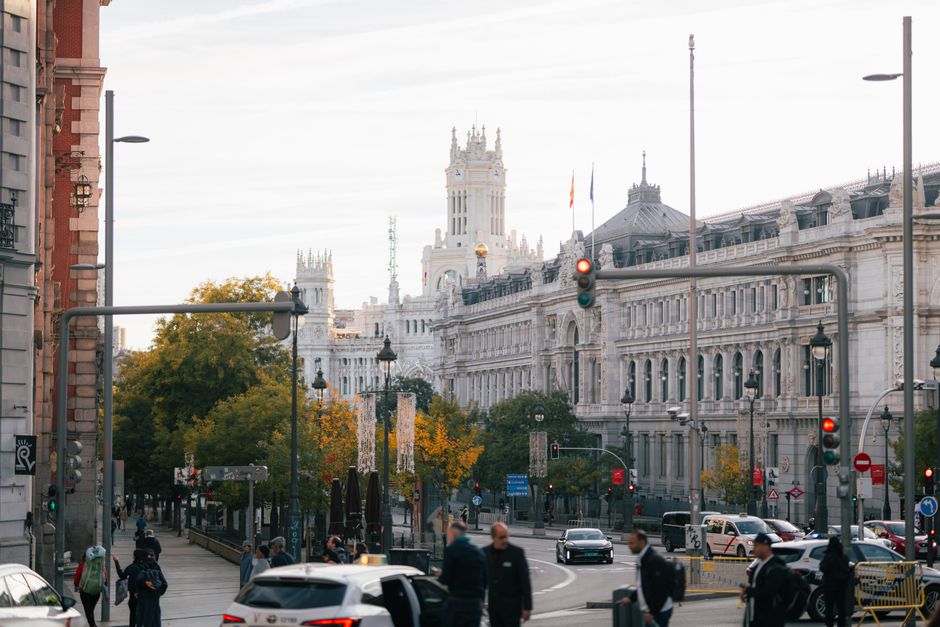
Second, tourism brings genuine benefits beyond headlines. The hospitality sector employs over 140,000 people in Madrid, many at entry and mid-level wages. Museums, restaurants, and cultural venues depend on visitor spending. The Museo del Prado and Reina Sofía employ thousands directly and indirectly support countless small businesses along Calle de Serrano and around Plaza de Cibeles.
Third, displacement isn't random—it concentrates in working-class and immigrant neighbourhoods first. Lavapiés, long home to migrant communities and small traders, is already showing signs of gentrification pressure following tourism growth.
The practical advice: if you're renting, understand your legal protections under Madrid's tenancy laws. If you run a small business, watch how licensing changes might affect your footfall. If you live in a neighbourhood seeing rapid change, connect with local associations—they're driving the conversation with city hall.
Tourism can coexist with liveable neighbourhoods, but only if residents stay engaged. The decisions being made this summer will determine Madrid's character for decades.
This article was compiled by AI from the sources linked above and screened before publishing. See our editorial standards.
How does this story make you feel?
Spread the word
About this article
Published by The Daily Madrid
Daily brief
Free, in your inbox before 7am. Weekdays.
More in Business