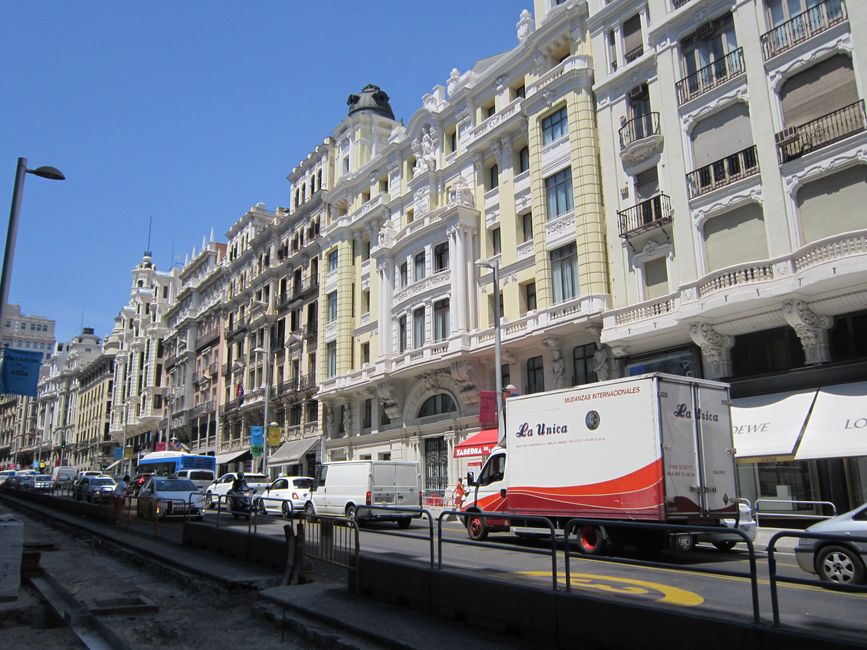
Madrid's restaurant and hospitality sector is in the grip of a talent crisis that's reshaping job opportunities and skill requirements across the city. With unemployment in the hospitality sector hovering near 12% despite widespread hiring needs, establishments from Gran Vía's luxury hotels to the casual dining explosion in Malasaña are grappling with a paradox: thousands of vacancies sit unfilled while workers demand higher wages and better conditions.
Industry bodies estimate approximately 8,000 open positions across Madrid's 3,500-plus restaurants and 800 hotels—a shortage that's forcing establishments to rethink recruitment strategies and compensation packages. The Cámara de Comercio de Madrid reports that average starting wages for front-of-house staff have risen 18% over the past two years, now averaging €1,450 monthly for entry-level roles, compared to €1,230 in 2024. Kitchen positions command even steeper premiums, with experienced chefs earning €2,100–€2,800 depending on venue prestige.
The trend is particularly visible in neighbourhood hotspots like Chueca and Salamanca, where newer establishments have begun offering benefits previously rare in Spanish hospitality: subsidised transport passes, flexible scheduling, and explicit pathways to management roles. Several upscale dining groups along Paseo de la Castellana have introduced referral bonuses of €300–€500 to incentivize current staff to recruit peers.
Simultaneously, automation is restructuring what jobs actually exist. Quick-service chains in Sol and Plaza Mayor are installing self-ordering kiosks and kitchen-display systems that reduce demand for certain positions while creating openings for technicians and digital-savvy supervisors. The shift is forcing Madrid's hospitality workforce to upskill or risk displacement—a challenge for a sector where 64% of workers previously had no formal post-secondary qualification.
Vocational training providers report surging enrolment in hospitality management and food-safety certification courses. Madrid's CESEFOR and similar institutions are struggling to accommodate demand. Meanwhile, employers increasingly favour candidates with bilingual abilities and customer-service software familiarity, shifting the talent pool toward younger, digitally native workers.
The dynamics carry city-wide implications. Madrid's hospitality sector represents roughly 7% of the metropolitan workforce and contributes significantly to tax revenue. Sustained staffing shortages could dampen service quality at a moment when tourism—Spain's largest earner—shows signs of plateauing post-pandemic surge. Industry leaders warn that without urgent intervention in training infrastructure and wage harmonisation, the sector risks becoming a revolving door of overworked, underprepared staff.
This article was compiled by AI from the sources linked above and screened before publishing. See our editorial standards.