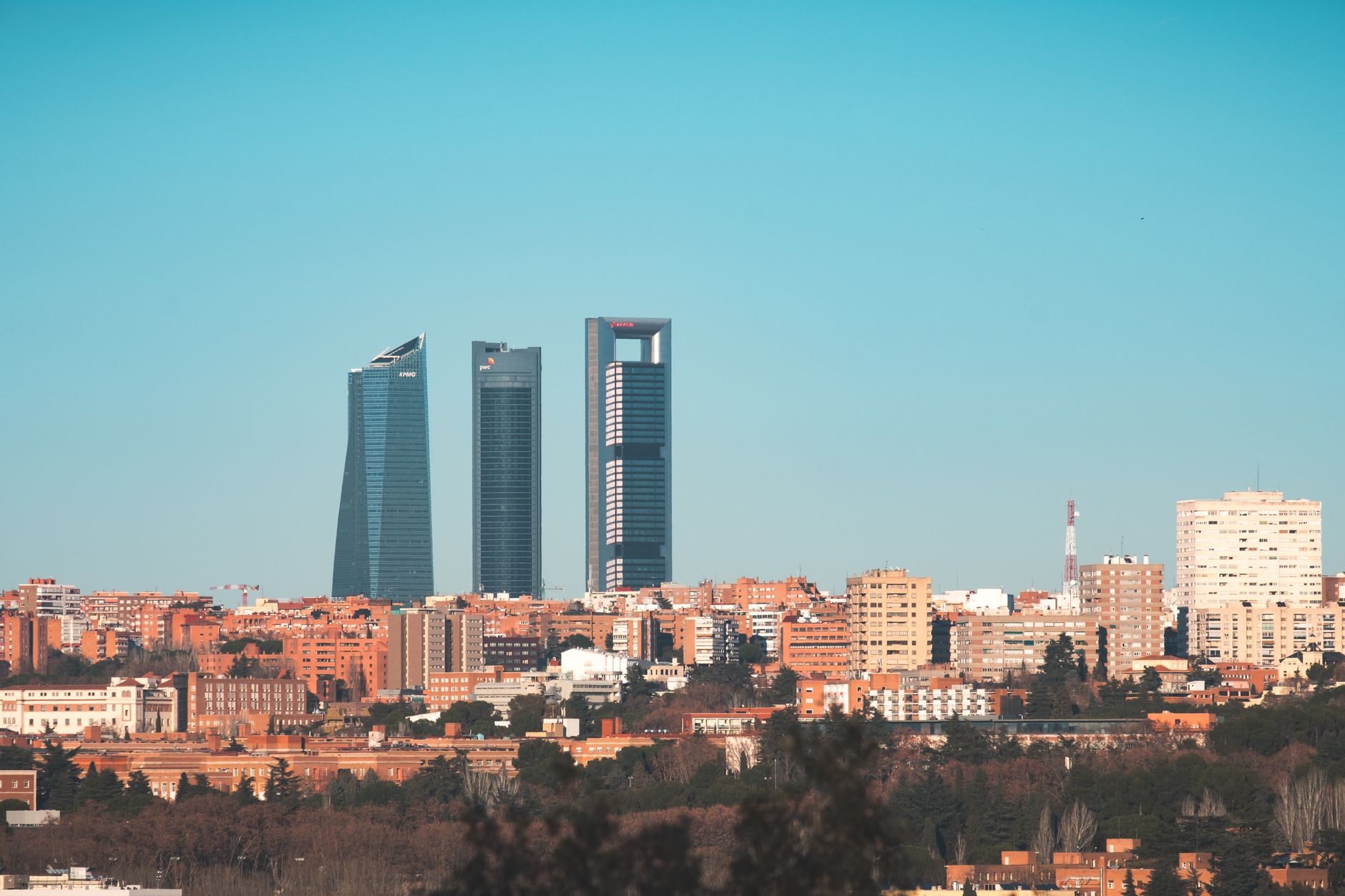
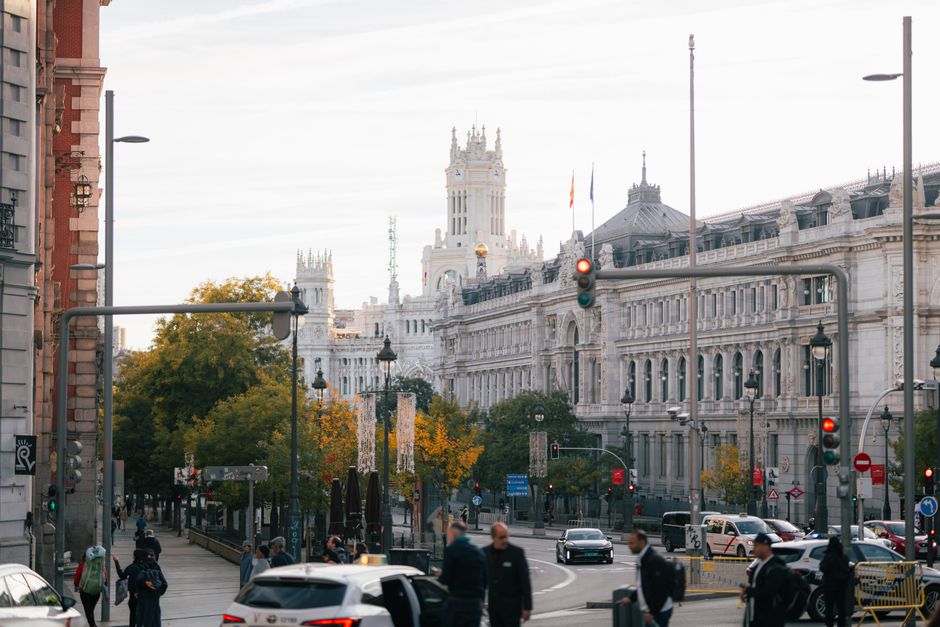
The tremors rippling through Venezuela and the Middle East are hitting closer to home than Madrid's restaurant owners might have anticipated. As currency markets gyrate and geopolitical uncertainty deepens, the capital's €18 billion hospitality and food services sector is entering uncharted territory—one where a crisis thousands of kilometres away directly determines whether a tapas bar in La Latina can afford imported Jamón Ibérico or whether a hotel chain on Paseo de la Castellana adjusts room rates.
The cascade of effects is already visible. Venezuelan colleagues of Madrid's immigrant communities have largely stopped sending remittances, shrinking consumer spending in traditionally vibrant neighbourhoods. Simultaneously, Iranian sanctions rhetoric has triggered volatile energy prices that directly inflate the operational costs of kitchens across Chueca, Sol, and the historic Mercado de San Miguel. Hoteliers report energy bills up 12-15% year-on-year, with some mid-range establishments absorbing costs rather than raising nightly rates during Spain's competitive summer season.
"The instability forces us to think differently," explains one prominent food distributor working with establishments across the capital's 2,800-plus registered restaurants. Supply chains for Portuguese wine, Italian olive oil, and Moroccan seafood—staples of Madrid's diverse culinary identity—now carry unpredictable freight costs and port delays. Some venues have begun shifting towards Spanish-sourced alternatives, subtly reshaping menus that once showcased Mediterranean diversity.
Pakistan's military actions near Afghanistan compound these pressures. Asian spice suppliers, integral to Madrid's growing South Asian restaurant scene in neighbourhoods like Malasaña, face logistical bottlenecks. Premium saffron and cardamom prices have climbed 8-11% since mid-June, forcing established curry houses and fusion restaurants to reassess ingredient sourcing or accept tighter margins.
Tourism remains robust—Madrid welcomed 3.2 million visitors in the first half of 2026—yet hospitality professionals express caution. The uncertainty discourages longer booking windows and corporate events. Mid-market hotels report booking confidence declining, with clients increasingly opting for shorter, flexible reservations rather than committing to conventions scheduled months ahead.
Paradoxically, luxury establishments show resilience. High-end restaurants in the Salamanca district and five-star hotels continue thriving, their clientele largely insulated from currency concerns. The divide widening between premium and middle-market segments reflects a broader vulnerability: Madrid's hospitality ecosystem, dependent on intricate global systems, remains exposed to shocks its operators cannot control or predict.
This article was compiled by AI from the sources linked above and screened before publishing. See our editorial standards.