The tremors reverberating from Middle East tensions and broader geopolitical instability are no longer distant concerns for Madrid's business community. This week, as U.S.-Iran negotiations hang in precarious balance and Pakistan-Afghanistan violence intensifies, the Spanish capital's financial markets and commercial real estate sectors are adjusting in real time to a fundamentally altered risk environment.
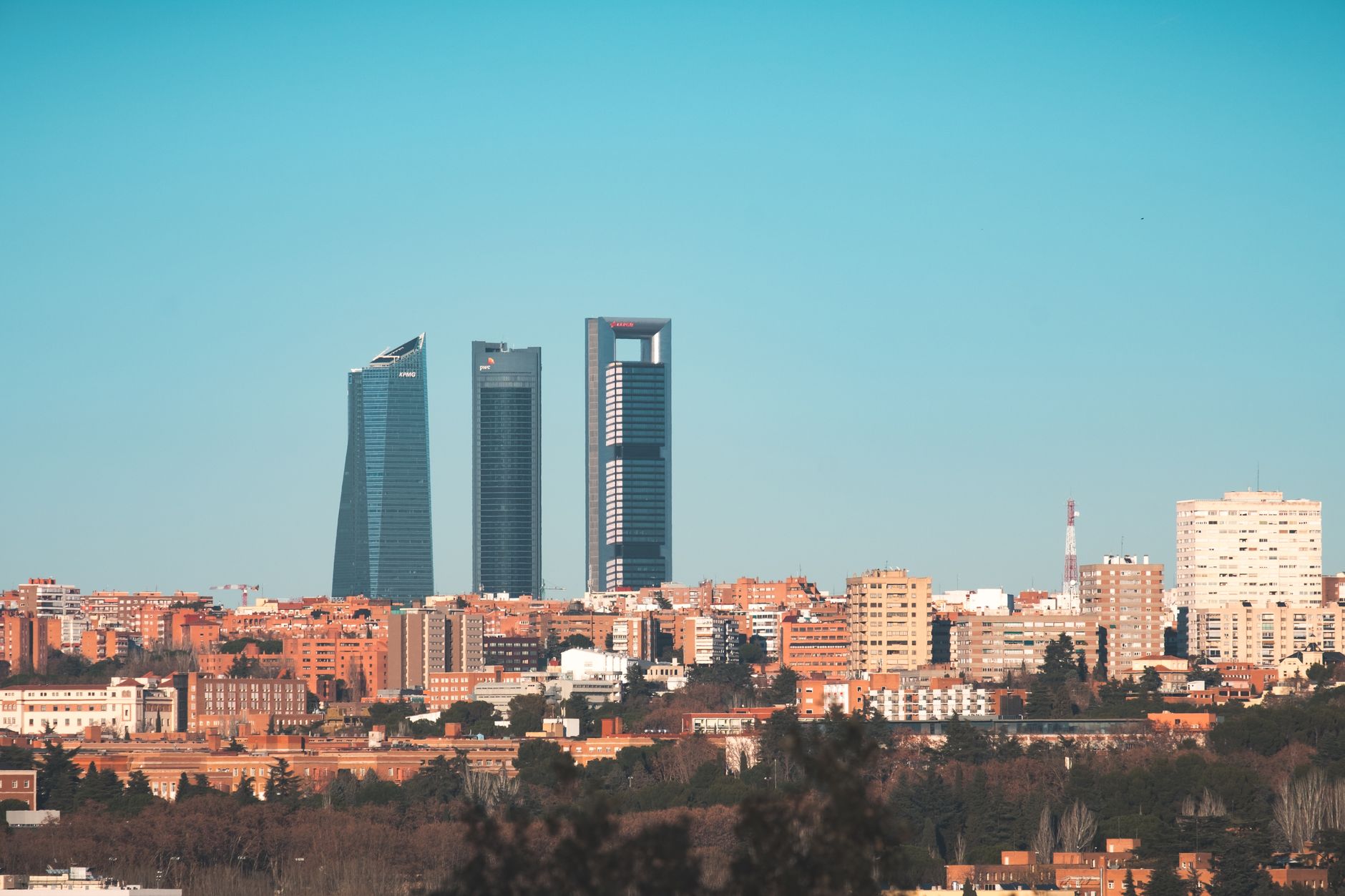
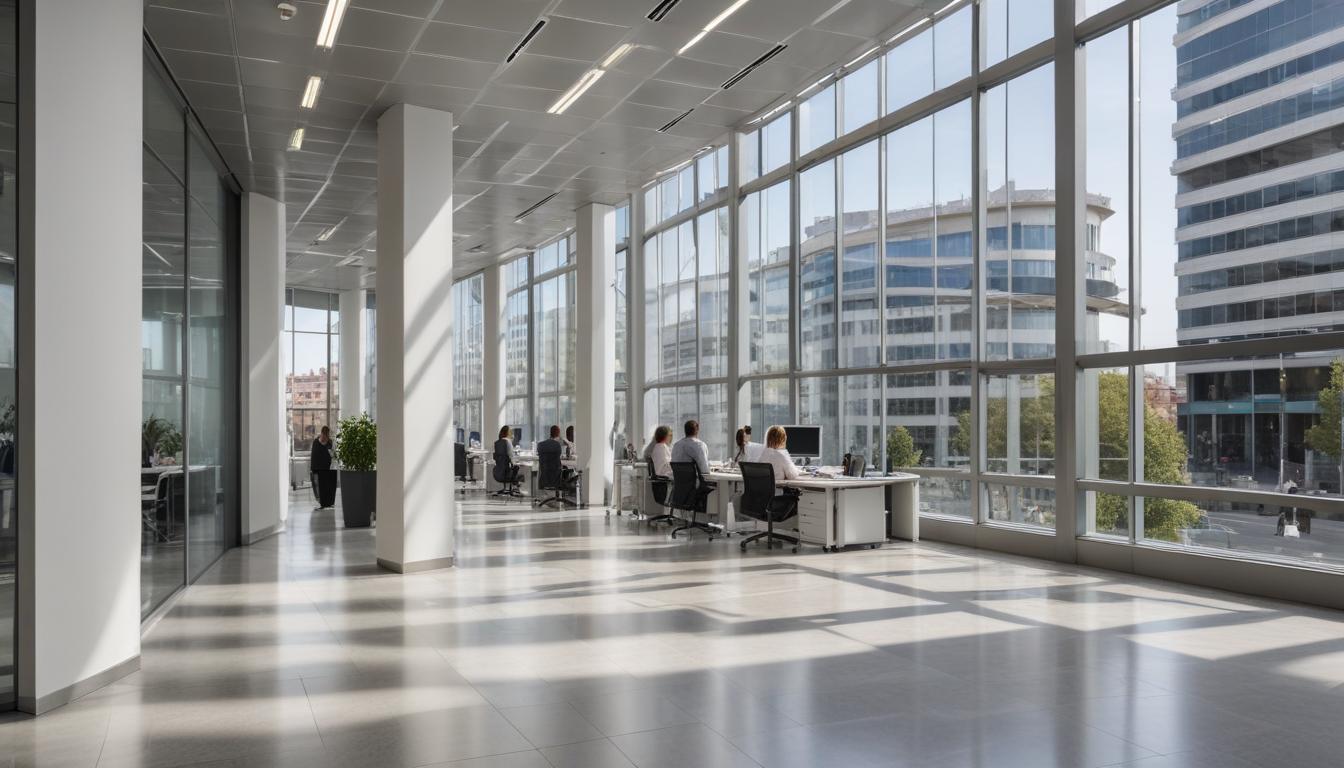
For businesses along Paseo de la Castellana and in the Chamberí district—traditional anchors of Madrid's finance and services sectors—the calculus has shifted. Energy prices, already volatile, have spiked as traders price in potential disruption to global supply chains. A commercial office lease in the Torre de Cristal complex that might have commanded €800 per square metre monthly two years ago now hovers closer to €950, not because of local demand dynamics alone, but because multinational firms are reassessing exposure to emerging markets and concentrating capital in "safer" European hubs.
The investment implications cut deeper. Madrid's venture capital ecosystem, which has flourished in recent years with emerging startups across fintech, logistics, and tourism, is experiencing a visible slowdown in fund deployment. Investors spooked by currency fluctuations—particularly the euro's volatility against the dollar—are taking longer to commit capital, preferring to hold cash and monitor geopolitical developments. This caution directly impacts founders and entrepreneurs across the Salamanca and Retiro neighbourhoods where many tech-forward firms have established operations.
Cost of living pressures compound the challenge. Inflation, while moderating from earlier peaks, remains sticky in Madrid's service sector. Restaurant operators in the Chueca district report that ingredient procurement costs tied to global commodity markets have stabilized only marginally. A menu item that cost €12 to produce eighteen months ago still requires €10.50 in raw materials, squeezing margins in an already competitive market.
For foreign investors eyeing Madrid as an entry point to Southern Europe, the calculus has become more complex. Currency hedging costs have risen. Insurance against geopolitical disruption now features prominently in due diligence. Yet paradoxically, some see opportunity: firms relocating operations from Turkey or the Middle East view Spain's relative stability as increasingly valuable, with Madrid's professional services infrastructure—from legal to accounting—positioned to capture this demand.
The broader lesson is stark: Madrid's economy, for all its local vigor and diversification, cannot insulate itself from global shocks. Business leaders across the capital are learning anew that location advantage requires constant recalibration against an unstable world.
This article was compiled by AI from the sources linked above and screened before publishing. See our editorial standards.