Madrid's Office Market Sends Mixed Signals: What the Numbers Really Tell Investors
Rising rents in prime districts mask deeper economic uncertainties as foreign capital reassesses Spanish commercial property.
Rising rents in prime districts mask deeper economic uncertainties as foreign capital reassesses Spanish commercial property.
Madrid's commercial property market is delivering contradictory messages to investors monitoring Spain's economic health. While headline figures from the Paseo de la Castellana corridor suggest robust demand, underlying trends reveal a more cautious investment landscape shaped by macroeconomic headwinds rippling across Europe.
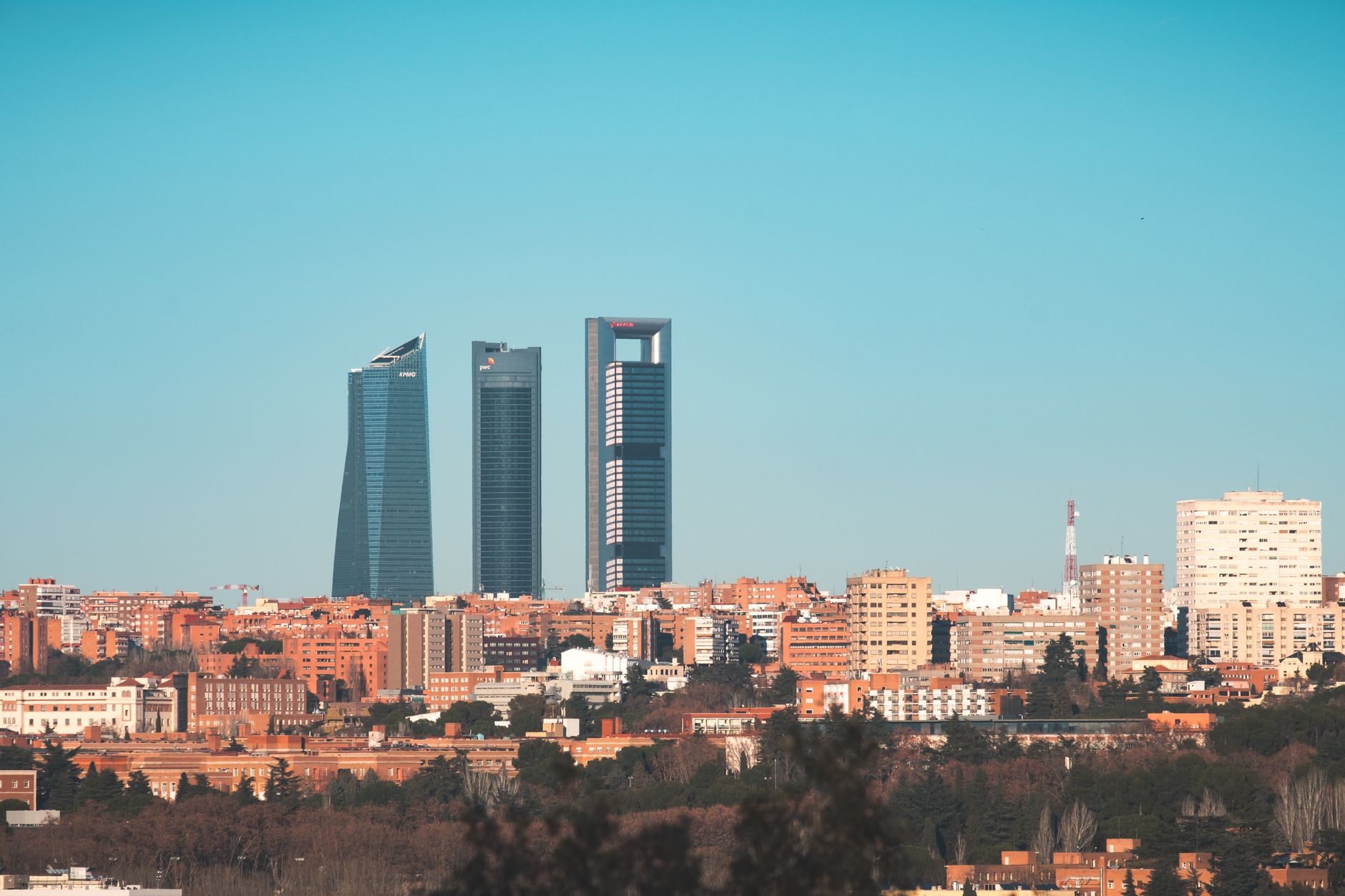
Prime office space in the Chamberí and Retiro districts has climbed to €28-32 per square metre annually—a 12 per cent increase since early 2024. Yet transaction volumes tell a different story. According to data from Madrid's property registry, commercial deals in the central business district fell 8 per cent year-on-year through the first half of 2026, despite price appreciation. This divergence signals that while landlords maintain confidence, institutional buyers are proceeding with restraint.
The economic indicators driving this caution are instructive. Spain's GDP growth has decelerated to 1.8 per cent, trailing eurozone averages. Interest rates, while marginally lower than last year, remain elevated compared to the pre-pandemic era. For foreign investors—who account for roughly 35-40 per cent of commercial acquisitions in Madrid—financing costs have become a critical variable. Middle Eastern and Asian capital, which dominated Madrid acquisitions in 2023-24, has grown more selective.
Geography matters intensely. The tech-focused Campus Madrid initiative near the Avenida de América continues attracting venture-backed firms and established software companies seeking modern spaces, pushing rents to €24-26 per square metre in that zone. Conversely, secondary locations around Plaza de España and the Arganzuela neighbourhood—where rents average €16-18 per square metre—have stagnated as companies consolidate into fewer, premium hubs.
Real estate advisory firms tracking Madrid's market point to a bifurcation. Large multinational corporations renewing leases on Paseo de la Castellana negotiate from strength, securing concessions and flexible terms. Mid-market tenants face a compressed market: premium space commands premium prices, yet lower-quality stock struggles to attract occupiers at any price point.
Domestic Spanish investors have stepped into this uncertainty cautiously. Insurance companies and pension funds, traditionally significant Madrid property players, have reduced acquisition targets. Bank lending to commercial property buyers remains available but with stricter underwriting than two years ago.
The broader message: Madrid's commercial market is adjusting to a lower-growth European environment. Price signals in top-tier districts mask softer underlying demand. Smart investors should monitor transaction velocity and tenant quality indicators as closely as headline rents—they're more reliable guides to where capital truly remains confident.
This article was compiled by AI from the sources linked above and screened before publishing. See our editorial standards.
How does this story make you feel?
Spread the word
About this article
Published by The Daily Madrid
Daily brief
Free, in your inbox before 7am. Weekdays.
More in Business