How Global Instability Is Reshaping Madrid's Small Business Landscape
From supply chain chaos to shifting consumer behaviour, entrepreneurs across the capital are adapting their strategies to navigate an unpredictable world economy.
From supply chain chaos to shifting consumer behaviour, entrepreneurs across the capital are adapting their strategies to navigate an unpredictable world economy.
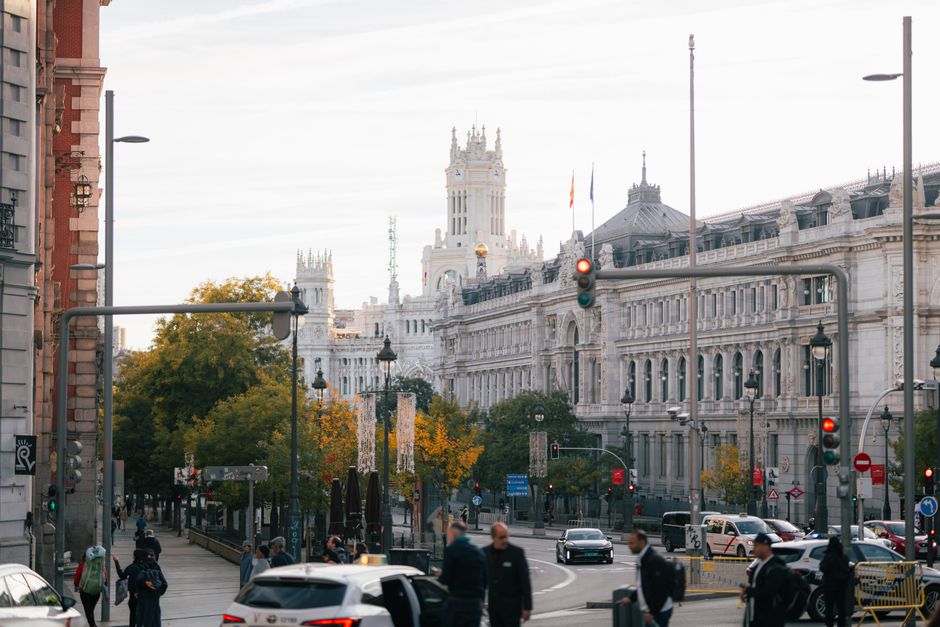
Walking through the narrow cobbled streets of La Latina, the transformation is subtle but unmistakable. Small business owners who once relied on predictable European supply chains are now diversifying their sourcing strategies, while consumer spending patterns—shaped by international uncertainty—are forcing local entrepreneurs to rethink everything from inventory management to pricing.
The ripple effects of global instability are impossible to ignore in Madrid's business community. Arturo García, who manages a network of independent retailers across Malasaña and Chueca, observes that the recent surge in geopolitical tensions has directly impacted import costs. "Shipping fees from Asia have increased 40% since early 2025," he notes. "We're absorbing some costs, but we're also seeing customers become more price-conscious. They're trading down to local alternatives where possible."
This shift has created unexpected opportunities for Madrid-based manufacturers and craftspeople. Small leather goods producers in the San Isidro industrial area report a surge in domestic orders as retailers pivot away from cheaper international imports. Similarly, food producers operating from kitchens near Plaza Mayor have seen increased interest in locally-sourced products, partly driven by consumer anxiety about supply chain reliability.
Yet the challenges are equally pressing. Security concerns affecting tourism—a vital sector for many Madrid businesses—have prompted restaurant owners and shop proprietors along Gran Vía to implement new strategies. Some establishments are shifting focus toward local customer loyalty programmes rather than relying on international visitors. Booking platforms report that Madrid hotel occupancy dipped 8% in Q2 2026 compared to the same period last year, a direct consequence of travellers cancelling or postponing European trips.
The energy sector presents another complication. Businesses across Madrid are grappling with electricity costs that remain elevated due to broader European supply concerns. Small manufacturing operations and hospitality venues are investing in energy-efficient systems and renewable solutions—a necessary expense that squeezes margins for those without capital reserves.
Yet Madrid's business community remains resilient. The Chamber of Commerce reports that 62% of small business owners surveyed in May 2026 believe local adaptability and agility offer competitive advantages in turbulent times. Those focusing on Spanish and European markets rather than global supply chains report greater stability.
The lesson for Madrid's entrepreneurs is clear: while global forces shape the terrain, businesses that invest in local relationships, diversify intelligently, and remain flexible are navigating uncertainty more effectively than those clinging to pre-2024 business models.
This article was compiled by AI from the sources linked above and screened before publishing. See our editorial standards.
How does this story make you feel?
Spread the word
About this article
Published by The Daily Madrid
Daily brief
Free, in your inbox before 7am. Weekdays.
More in Business