Madrid's Jobs Market Shows Mixed Signals as Investment Flows Reshape Employment Landscape
Rising tech sector hiring contrasts with retail slowdown as foreign capital redirects Madrid's economic engine.
Rising tech sector hiring contrasts with retail slowdown as foreign capital redirects Madrid's economic engine.

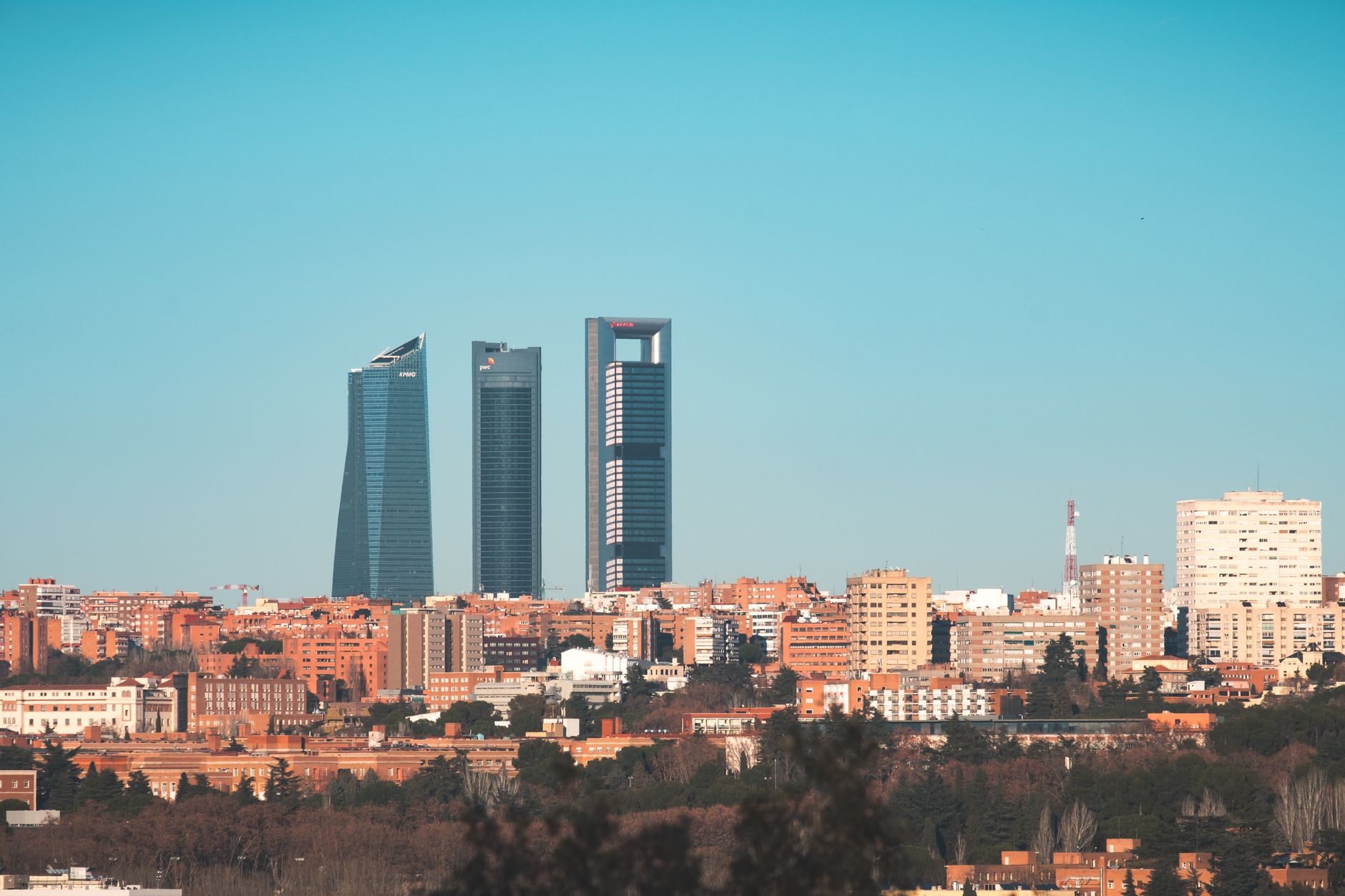
Madrid's employment market is sending contradictory messages as mid-2026 unfolds, with robust investment inflows into technology and finance sectors masking persistent weakness in traditional retail and hospitality—a pattern that clarifies broader shifts in how capital is reshaping Spain's capital city.
The most telling indicator comes from venture capital activity. Tech startups clustered around the Paseo de la Castellana corridor and emerging hubs in the Chamberí district have attracted €847 million in foreign investment over the first half of 2026, according to preliminary data from Madrid's Chamber of Commerce. This represents a 34% increase on the same period last year, signalling sustained international confidence in the city's digital economy despite broader European uncertainty.
Yet this optimism hasn't translated uniformly across Madrid's neighbourhoods. The Gran Vía—traditionally the city's commercial heartbeat—continues experiencing retail contraction, with vacancy rates climbing to 11.2% among ground-floor storefronts, up from 9.1% a year ago. Property consultants report that high rents, averaging €3,800 per square metre annually, have forced several mid-sized retailers to shutter operations or relocate to cheaper districts like Arganzuela or Latina.
Employment data reveals the tension. Madrid's unemployment rate stood at 11.8% in May 2026, unchanged from March, according to Spain's National Statistics Institute. However, this aggregate masks sectoral divergence: the professional services sector (consulting, legal, fintech) added roughly 8,200 jobs during the first quarter, while retail and hospitality shed approximately 3,500 positions combined.
Banking and insurance—Madrid's traditional economic anchors—show cautious growth. BBVA and Banco Santander, both headquartered in the city, have announced modest hiring plans focused on digital transformation roles. Yet these represent quality-over-quantity employment: fewer positions, but typically higher-skilled and better-remunerated than jobs lost in hospitality.
Perhaps most revealing is capital reallocation within real estate. Commercial office space in northern districts near the airport and along the A6 corridor is experiencing higher demand and lease rates than central Madrid locations, suggesting companies are prioritising logistics and tech infrastructure over prestige addresses on Paseo del Prado.
For workers and businesses, the takeaway is clear: Madrid remains economically dynamic, but the city's employment landscape is reorganising around innovation and connectivity rather than tourism and retail. Job seekers with tech credentials face expanding opportunities; traditional service sector workers confront contraction. The investment flows—overwhelmingly directed toward digital transformation—confirm that Madrid's economy is fundamentally shifting shape.
This article was compiled by AI from the sources linked above and screened before publishing. See our editorial standards.
How does this story make you feel?
Spread the word
About this article
Published by The Daily Madrid
Daily brief
Free, in your inbox before 7am. Weekdays.
More in Business