Madrid's Business Leaders Navigate Shifting Markets: What You Need to Know Right Now
As investment patterns reshape across Spain's capital, companies from Salamanca to Sol face critical decisions on spending, hiring, and expansion strategies.
As investment patterns reshape across Spain's capital, companies from Salamanca to Sol face critical decisions on spending, hiring, and expansion strategies.
Madrid's business landscape is experiencing a pivotal moment. With inflation cooling but interest rates holding firm, and consumer spending showing signs of fatigue, the city's entrepreneurs and investors are reassessing their priorities for the second half of 2026.
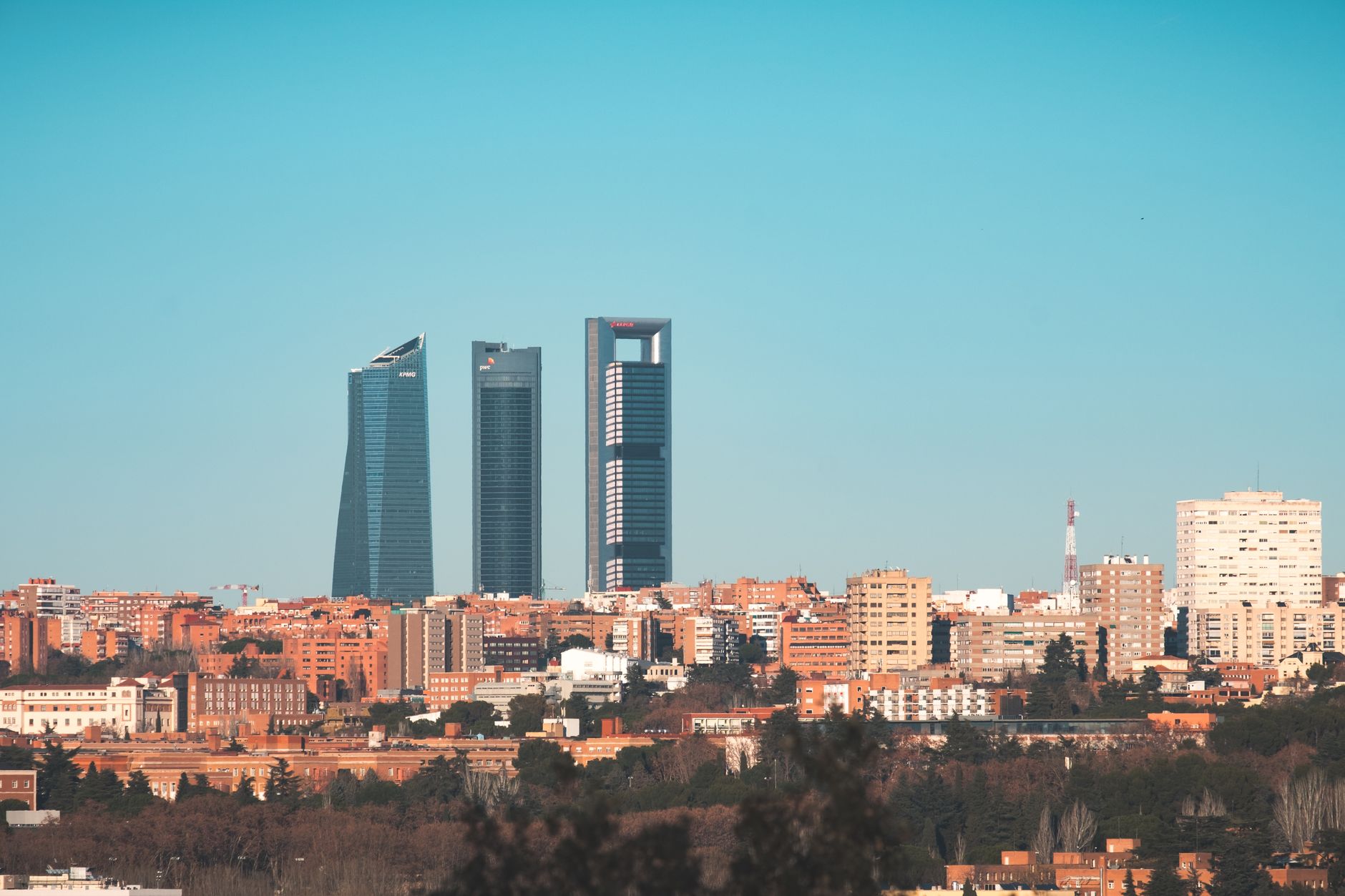
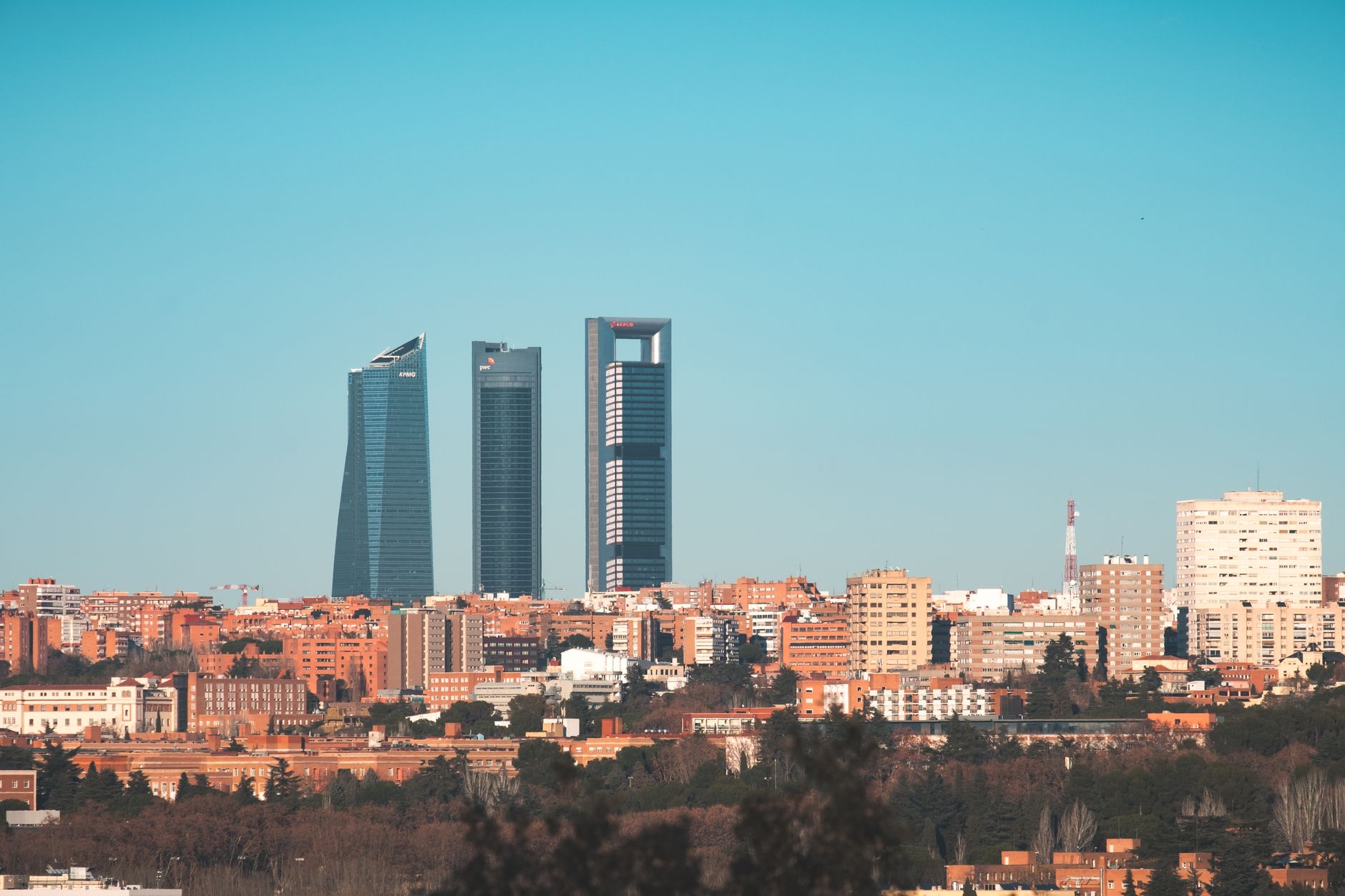
Recent analysis of commercial activity along Paseo de la Castellana and in the financial district around Banco de España reveals a marked slowdown in new venture launches. Startups in the technology and logistics sectors—traditionally Madrid's growth engines—are taking longer to secure funding, with venture capital rounds averaging 18 months instead of the previous nine to twelve months, according to regional business association CEIM.
Retail remains under pressure. Shop owners on Gran Vía report that foot traffic has declined by approximately 12% compared to the same period last year, while rental costs for premium storefronts remain stubbornly high at €4,500 to €6,500 monthly. Mid-market retailers are increasingly relocating to secondary neighbourhoods like Malasaña and Chueca, where rents average €2,000 to €3,000—a calculated gamble on emerging consumer patterns.
The hospitality sector presents a different picture. Hotels and restaurants near Plaza Mayor and Retiro Park are reporting strong occupancy rates, driven by international tourism that remains robust despite broader economic uncertainty. However, labour costs have become the primary concern, with service sector wages rising approximately 6% annually to attract experienced staff.
For businesses considering expansion, experts emphasize the importance of data-driven decisions. Commercial real estate prices in central Madrid have stabilized at €8,500 to €10,500 per square metre, down slightly from early 2025 peaks but still elevated for many investors. Supply chain diversification is becoming non-negotiable, particularly for companies with European distribution networks.
The Madrid Chamber of Commerce is advising member organizations to prioritize operational efficiency rather than aggressive growth. Energy costs, while stabilizing, remain a significant line item for manufacturing and logistics operations in the outlying districts of Getafe and Alcalá de Henares.
Investment in digital infrastructure continues to show returns, with companies that have automated operations reporting resilience against market volatility. Meanwhile, those holding cash are watching commercial credit rates—currently hovering around 4.2% for SMEs—waiting for potential further adjustments.
The consensus among analysts: Madrid's businesses that thrive in this environment will be those combining cautious expansion with strategic cost management. Neither panic nor complacency is warranted. Instead, the message is clear: adapt, measure, and decide deliberately.
This article was compiled by AI from the sources linked above and screened before publishing. See our editorial standards.
How does this story make you feel?
Spread the word
About this article
Published by The Daily Madrid
Daily brief
Free, in your inbox before 7am. Weekdays.
More in Business