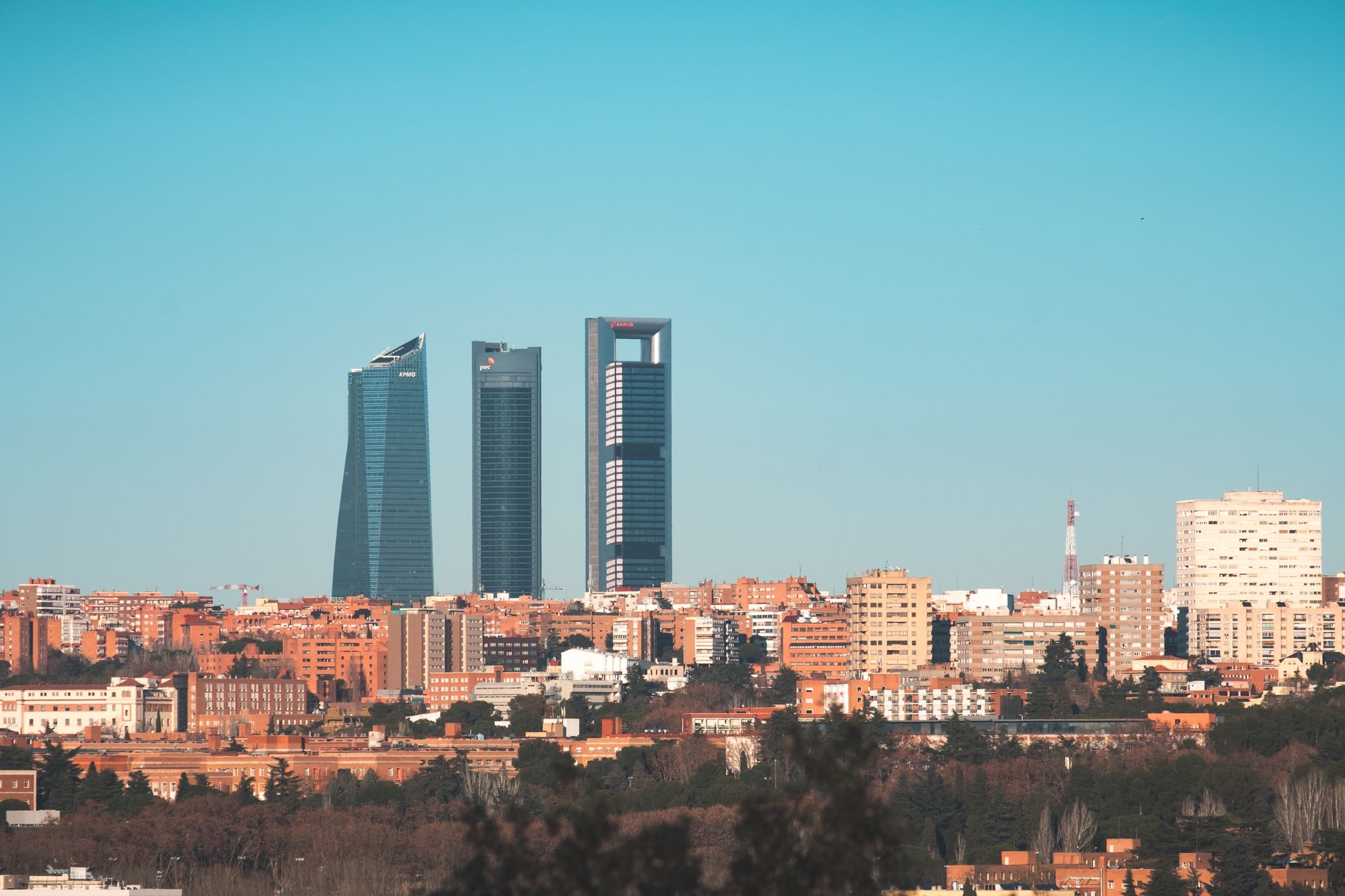
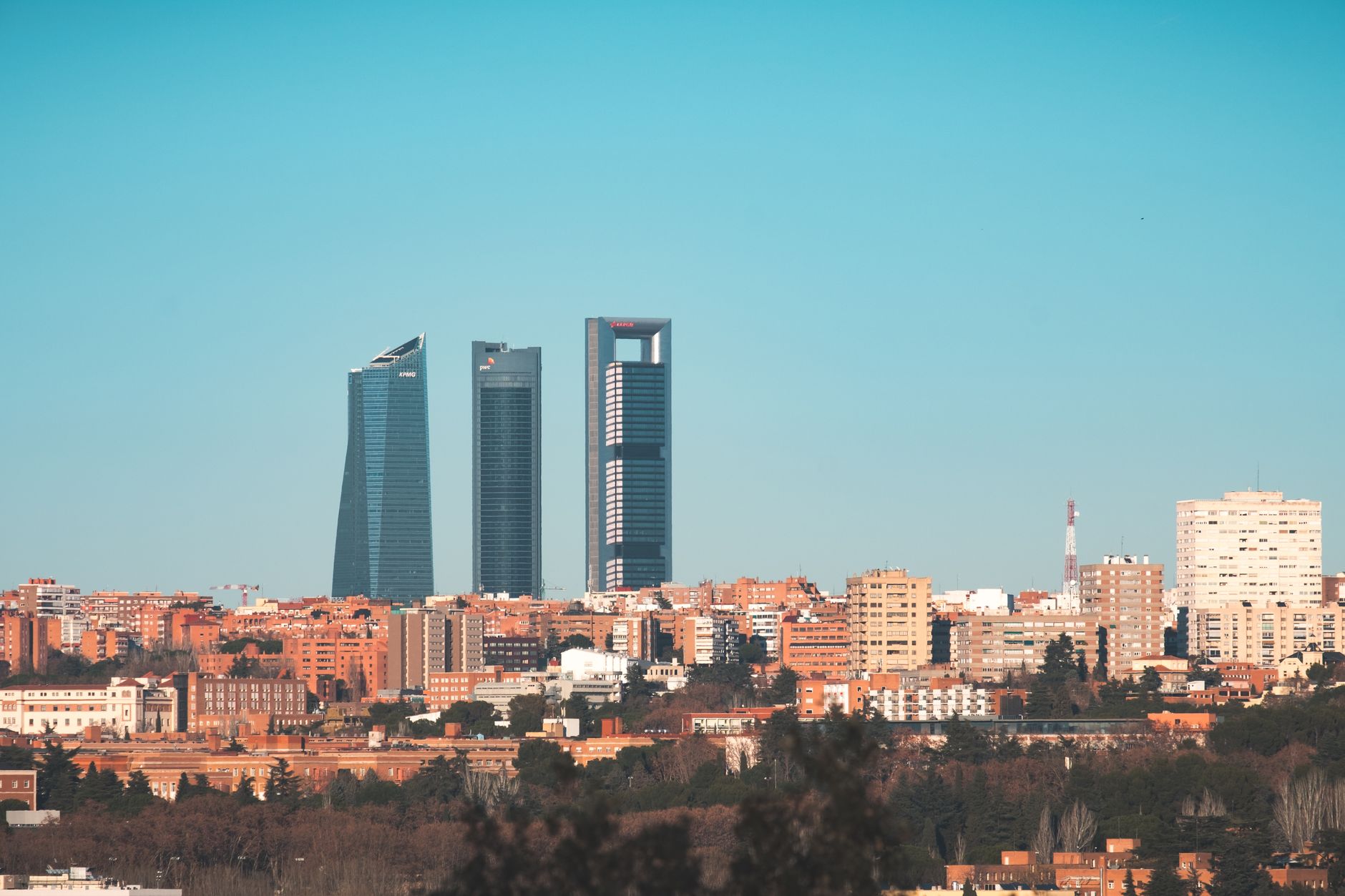
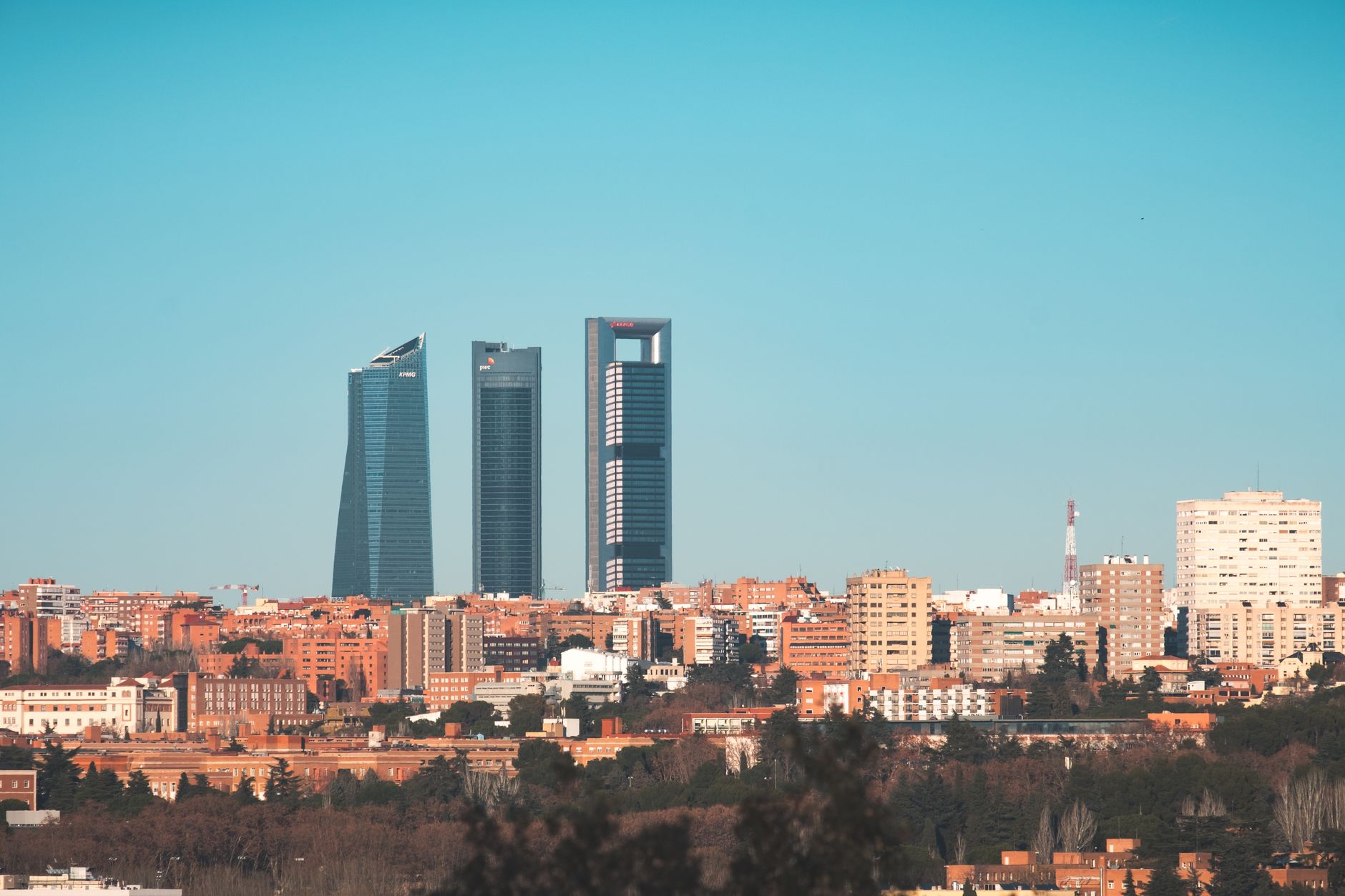
Madrid's commercial real estate market is displaying the economic contradictions defining 2026. While headline rents in prime districts like Paseo de la Castellana remain firm—averaging €28-32 per square metre monthly for Grade A space—underlying demand patterns suggest investors should read between the lines before committing fresh capital.
The past eighteen months have reshaped tenant preferences dramatically. Large multinational corporations, particularly those managing European operations, have consolidated Madrid exposure rather than expanded it. Vacancy rates in the CBD cluster around Chamberí and Retiro have drifted upward to 8.2 percent, a significant shift from the 5.8 percent recorded two years ago. This matters because vacancy functions as a leading economic indicator: landlords begin moderating expansion plans when absorption slows.
Investment flows paint a telling picture. Cross-border capital into Madrid office assets totalled €1.8 billion in the first half of 2026, down 34 percent year-on-year. European pension funds and insurance vehicles—traditionally reliable sources of patient capital—have become more selective. They're favouring trophy assets with long-term lease covenants from investment-grade tenants, leaving secondary markets increasingly exposed to refinancing pressure.
What's driving this caution? Several factors cluster together. Rising interest rates have extended cap rate spreads, making yesterday's 4.2 percent yields look increasingly attractive only on paper when refinancing windows approach. Simultaneously, corporate belt-tightening across finance, consulting, and professional services has accelerated flexible working arrangements, reducing per-employee space requirements.
Yet the story isn't uniformly bearish. Neighbourhoods like Salamanca and parts of Moncloa are experiencing selective strength, particularly among Spanish and Iberian companies investing in headquarters consolidation rather than expansion. Flex-space operators and boutique office providers report steady demand, suggesting the market is bifurcating between premium-segment stability and mid-market pressure.
The critical metric for investors remains absorption velocity—the pace at which new space finds tenants. Madrid's running at approximately 185,000 square metres annually, below the five-year average of 240,000. This deceleration doesn't signal collapse; it signals a market repricing risk and opportunity simultaneously.
For investors interpreting these currents, the lesson is straightforward: Madrid remains strategically important for European operations, but capital allocation today favours quality, covenant strength, and realistic return assumptions over speculative positioning. The market isn't broken, but it's definitely working through a reset.
This article was compiled by AI and screened before publishing. See our editorial standards.