How Madrid's Grassroots Collectives Are Rewriting the City's Festival Calendar
From neighbourhood assemblies to independent venues, a new generation of cultural organisers is transforming how the capital celebrates itself.
From neighbourhood assemblies to independent venues, a new generation of cultural organisers is transforming how the capital celebrates itself.
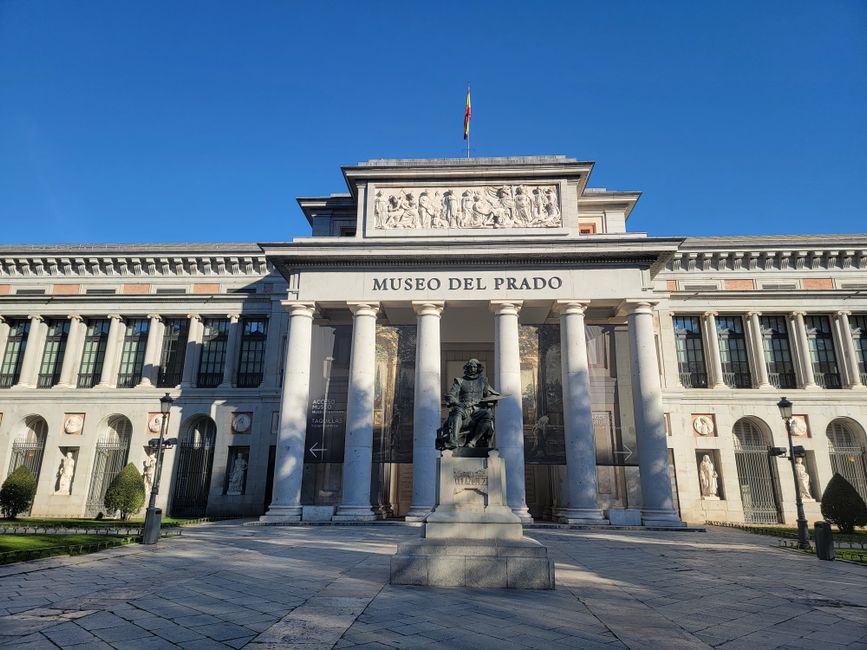
Madrid's festival landscape is undergoing a quiet revolution. While major institutions like the Teatro Real and Museo del Prado continue their traditional programming, a sprawling network of neighbourhood-based collectives and independent cultural workers is fundamentally reshaping how the city marks time and celebrates identity.
The shift became visible last month when over 80 independent events unfolded simultaneously across working-class neighbourhoods—from Vallecas to Carabanchel to Villa de Vallecas—organised entirely through horizontal assembly networks rather than municipal ticketing systems. These weren't alternative-fringe affairs but rather sophisticated, well-attended celebrations: flamenco workshops in community centres on Calle Amparo, film screenings under the Puente de Toledo, experimental music nights in repurposed industrial spaces.
"What's different now is the infrastructure," explains the ecosystem of cultural organisers who have built this momentum. Community groups like those operating from La Casa Invisible in Lavapiés and similar spaces across the Malasaña district have formalised what was once ad-hoc activity into sustainable programming. Over 12,000 madrileños participated in neighbourhood-curated events during June alone, according to tracking by collaborative cultural networks.
The economic model reflects broader anxieties. Standard festival tickets in Madrid's central districts now average €35-45, pricing out residents from neighbourhoods further from the centre. This has sparked deliberate counter-programming: pay-what-you-can events, free community gatherings, and collectively-funded productions that prioritise accessibility over revenue maximisation. Several collectives have established rotating funds allowing artists to earn sustainable wages without relying on sponsorship from commercial brands.
What distinguishes this movement from previous alternative culture cycles is its organisational maturity. Monthly assemblies in Puerta del Sol and at various neighbourhood centres attract hundreds of cultural workers coordinating everything from logistics to curation. Digital infrastructure—shared calendars, collaborative booking systems, community radio broadcasts—connects isolated initiatives into something resembling a parallel cultural infrastructure.
July's calendar reflects this reality: the Feria de las Artes in the Parque del Retiro will coexist with dozens of autonomous neighbourhood celebrations. The distinction matters. Where one represents official Madrid, the others represent a city asserting its right to cultural self-determination.
This isn't resistance to established institutions but rather a statement about who gets to decide what Madrid celebrates and who benefits when it does. As the summer unfolds, the city's cultural pulse increasingly beats to rhythms set not from above but from within its neighbourhoods themselves.
This article was compiled by AI and screened before publishing. See our editorial standards.
How does this story make you feel?
Spread the word
About this article
Published by The Daily Madrid
Daily brief
Free, in your inbox before 7am. Weekdays.
More in culture