In a converted warehouse on Calle de Pérez Galdós in the Malasaña neighbourhood, Lucía Martínez adjusts a stage light suspended from exposed brick walls. It's 2 p.m., four hours before curtain. The venue—Teatro Mutante, founded in 2019—occupies what was once a textile factory. Today, it hosts experimental work that would struggle to find a home in Madrid's more traditional theatres. This is the story not of the performance itself, but of the people who carved out space for it to exist.
Madrid's performing arts infrastructure has undergone profound transformation since 2020. The city now supports 47 active independent theatre collectives, according to the Asociación de Teatros Privados de Madrid, compared to 19 in 2015. These aren't corporate endeavours; they're born from necessity and creative urgency. When Carlos Domínguez, a sound designer, couldn't find theatres willing to host avant-garde work in 2018, he partnered with architect María José Álvarez to reimagine performance spaces. Their collaborative model has since influenced similar ventures across Chamberí and San Blas.
The economic reality is stark. Independent theatre operators in Madrid report average ticket prices hovering between €18 and €24—half the cost of comparable venues in Barcelona—yet production costs remain consistently high. Many operators supplement income through workshops and educational programming. At Teatro Mutante alone, youth theatre classes generate approximately 30 percent of annual revenue.
What distinguishes Madrid's current moment is the deliberate investment in mentorship infrastructure. The Festival de Otoño, historically Madrid's flagship autumn arts festival, now allocates 15 percent of its programming budget to emerging directors under 35. This year's festival, running September through November, will feature seven productions helmed by first-time theatrical directors—a significant increase from three productions in 2023.
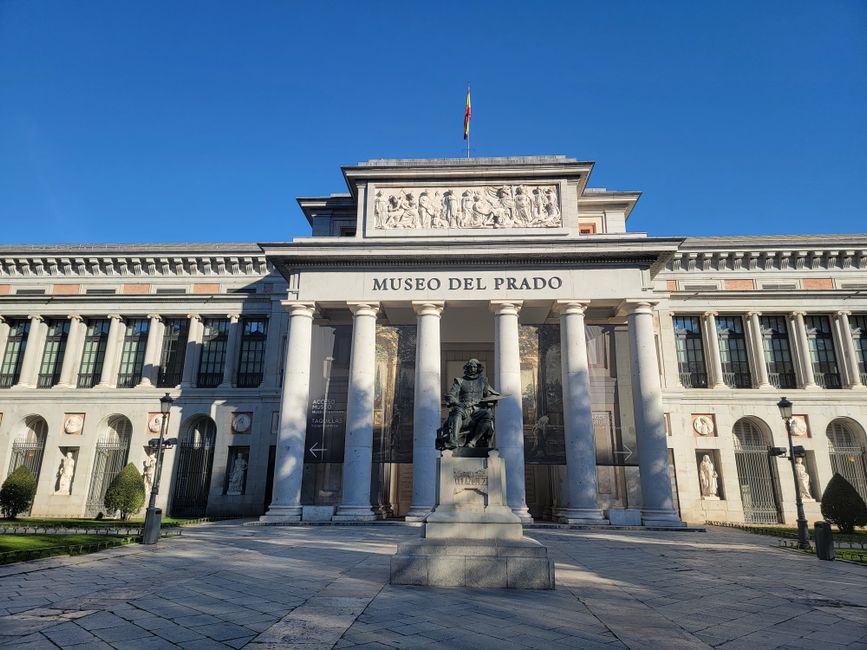
Perhaps most revealing is the physical geography of this renaissance. These spaces cluster not in the city's traditional cultural corridors near the Prado or Reina Sofía, but in working-class neighbourhoods undergoing gradual transformation: Vallecas, Lavapiés, the industrial zones near Atocha. Theatre collectives have become unexpected anchors in urban regeneration conversations, providing cultural legitimacy to areas marked for development.
The human cost deserves acknowledgment. Most independent theatre workers in Madrid earn between €1,200 and €1,800 monthly—wages that require supplementary income. Yet they continue. What drives this resilience? Directors and producers point consistently to something intangible: the act of creating meaning together in shared physical space. In 2026, when much cultural consumption happens through screens, this commitment feels almost radical.
Madrid's theatre scene isn't thriving because of top-down cultural policy. It's thriving because individual artists and technicians decided their vision mattered more than financial security—and built infrastructures that allowed others to make the same choice.
This article was compiled by AI and screened before publishing. See our editorial standards.