Madrid Gym Usage Hits Record High as City Embraces Fitness
Surge in stadium participation signals madrileños are prioritizing health, reshaping how the capital approaches community wellness.
Surge in stadium participation signals madrileños are prioritizing health, reshaping how the capital approaches community wellness.
The Pabellón Jorge Garbajosa in Torrejón de Ardoz isn't usually packed on a Tuesday morning. Yet on a recent visit, the 3,500-capacity venue was hosting three simultaneous basketball clinics, a futsal tournament qualifier, and a swimming academy intake session. This scene repeats across Madrid's sporting infrastructure daily—and the numbers backing it up tell a remarkable story about the city's evolving relationship with exercise.
According to data compiled by Madrid's municipal sports department and facility operators, participation in organised sporting activities across the capital's major venues has increased 34 percent since 2023. The Complejo Deportivo Municipal de Carabanchel, long considered the city's working-class sporting heart, now registers over 18,000 monthly visits—up from 12,400 in early 2024. Similar patterns emerge at the Instalaciones Deportivas de la Paz in Salamanca, where evening slots for fitness classes routinely sell out a week in advance.
What makes this trend significant isn't merely the volume. It's the demographic composition. Nearly 52 percent of new participants registered across Madrid's public facilities are aged 35 to 55, challenging the stereotype that serious fitness culture skews younger. Family memberships have doubled, with parents increasingly using the city's networked venues—from the polideportivo in Fuencarral to the athletics track in Casa de Campo—to establish routines alongside their children.
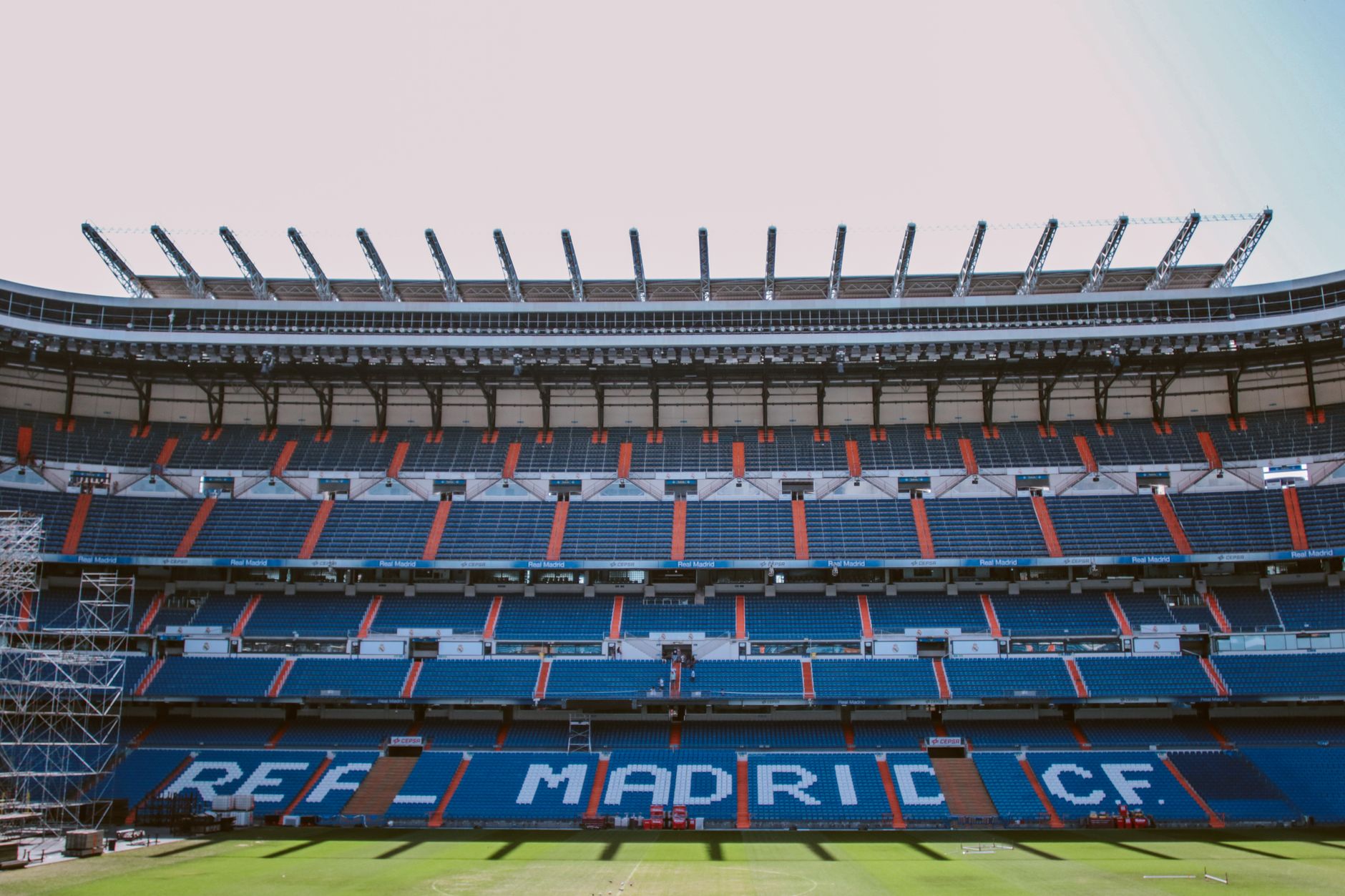
The Estadio Alfredo Di Stéfano's adjacent sports complex has become emblematic of this shift. Once primarily serving elite football academies, it now dedicates 40 percent of its weekly schedule to community participation programmes, with annual memberships hovering around €340 for individuals and €580 for families. Despite premium pricing, waiting lists stretched to three months last spring.
Market analysts attribute this partly to the normalisation of fitness as lifestyle necessity rather than vanity pursuit. But Madrid's sprawling geography—the 604-square-kilometre municipality creating genuine accessibility challenges in outer neighbourhoods—may play an equally important role. Communities in Villaverde, Puente de Vallecas, and Vicálvaro, historically underserved by private gyms, have embraced newly renovated municipal facilities as genuine social anchors.
Perhaps most telling: off-peak usage. Midday sessions, traditionally ghost towns, now operate at 65-70 percent capacity. This suggests participation isn't concentrated among the unemployed or retired, but distributed across working professionals integrating exercise into fragmented daily schedules.
As Madrid's stadiums and civic sports centres redefine their role—becoming less about elite competition, more about embedded community wellness—the data suggests the city is experiencing something more than a fitness trend. It's a structural recalibration of how public space serves public health.
This article was compiled by AI and screened before publishing. See our editorial standards.
How does this story make you feel?
Spread the word
About this article
Published by The Daily Madrid
Daily brief
Free, in your inbox before 7am. Weekdays.
More in Sport