Madrid's Cycling and Running Surge as City Embraces Endurance Sport
Local clubs report dramatic participation growth in cycling and triathlon, signaling a major shift in how Madrid's professionals and middle-aged athletes approach fitness.
Local clubs report dramatic participation growth in cycling and triathlon, signaling a major shift in how Madrid's professionals and middle-aged athletes approach fitness.
The numbers tell a compelling story about how Madrid moves. New data from the regional sports federation reveals that participation in running clubs across the capital has grown 23 percent since 2023, while cycling and triathlon entries have nearly doubled. The Manzanares River Park now hosts an estimated 8,000 regular joggers weekly—a figure that would have seemed improbable a decade ago in a city historically more defined by its café culture than its athletic ambitions.
What's particularly striking is the demographic shift. The Madrid Triathlon Association reports that athletes aged 35-50 now comprise 42 percent of competitors, up from just 28 percent five years ago. This isn't the preserve of elite athletes or weekend warriors anymore. Weekend races along the Canal de Isabel II attract entries from across all fitness levels, with participation fees ranging from €35 for local 5K runs to €180 for sprint triathlons—pricing that makes serious training accessible without requiring significant financial commitment.
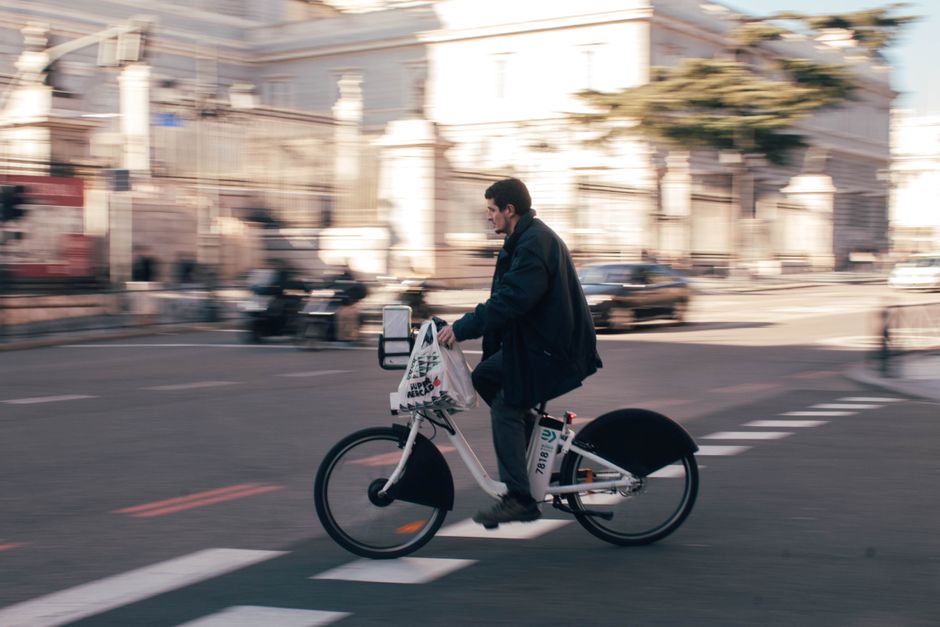
The infrastructure supporting this boom has evolved rapidly. Beyond the traditional routes through Casa de Campo and along the Paseo de la Castellana, newer cycling lanes connecting Chamberí to Salamanca have catalyzed participation among office workers commuting to business districts. Several cycling clubs based near Retiro Park now maintain waiting lists for membership, something unthinkable in 2020.
Data from the Comunidad de Madrid's sports directorate reveals another telling trend: women now represent 38 percent of registered triathlon participants, the highest proportion in Spain. Running clubs report similar parity. This suggests that endurance sports in Madrid have shed their traditional male-dominated image, becoming genuinely inclusive community activities rather than niche athletic pursuits.
The economic implications matter too. Local gyms specializing in triathlon training have proliferated, particularly in Arguelles and Tetuán, with monthly memberships averaging €65-€95. Bike shops report a 35 percent surge in sales of entry-level road and gravel bikes compared to 2024, indicating serious commitment rather than casual interest.
Perhaps most significantly, amateur runners completing marathons in Madrid have grown from roughly 2,000 annually to nearly 4,500—reflecting both expanded local races and growing numbers traveling for competitions elsewhere. This suggests endurance sport has transitioned from leisure activity to cultural identity within the city.
Madrid's fitness culture isn't abandoning tradition; it's expanding. The participation data reveals a city where endurance athletics have become genuinely woven into daily life, accessible to working professionals, parents, and ordinary residents seeking meaning beyond screens and desk work.
This article was compiled by AI and screened before publishing. See our editorial standards.
How does this story make you feel?
Spread the word
About this article
Published by The Daily Madrid
Daily brief
Free, in your inbox before 7am. Weekdays.
More in Sport