Madrid Stadiums 2026-27: Bernabéu & Metropolitano Ready
Madrid's top sports venues prepare for the 2026-27 season. See how the Bernabéu renovation and Metropolitano upgrades position the city's stadiums for elite European competition.
Madrid's top sports venues prepare for the 2026-27 season. See how the Bernabéu renovation and Metropolitano upgrades position the city's stadiums for elite European competition.
Listen to this article · 4:06
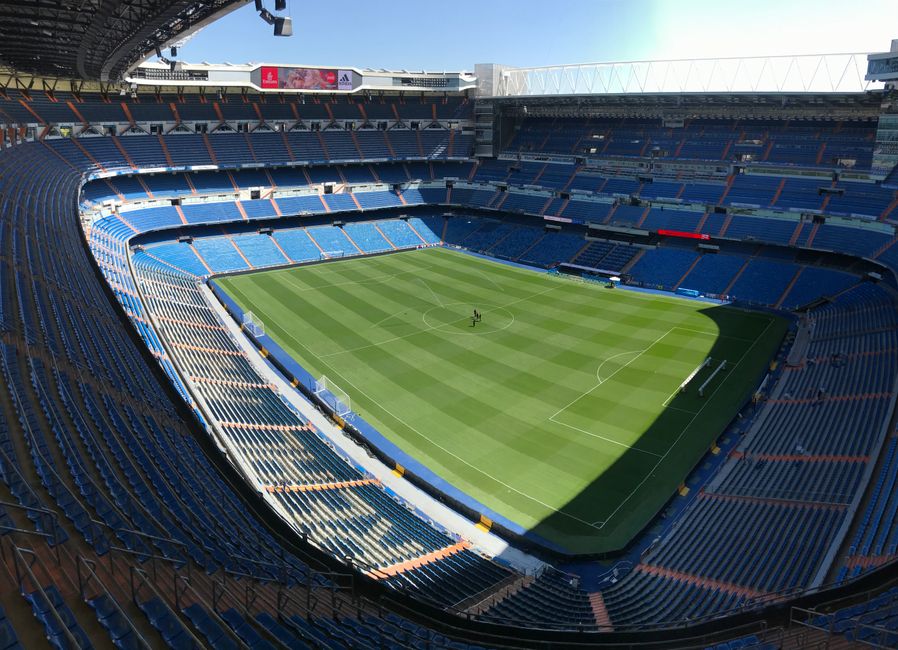
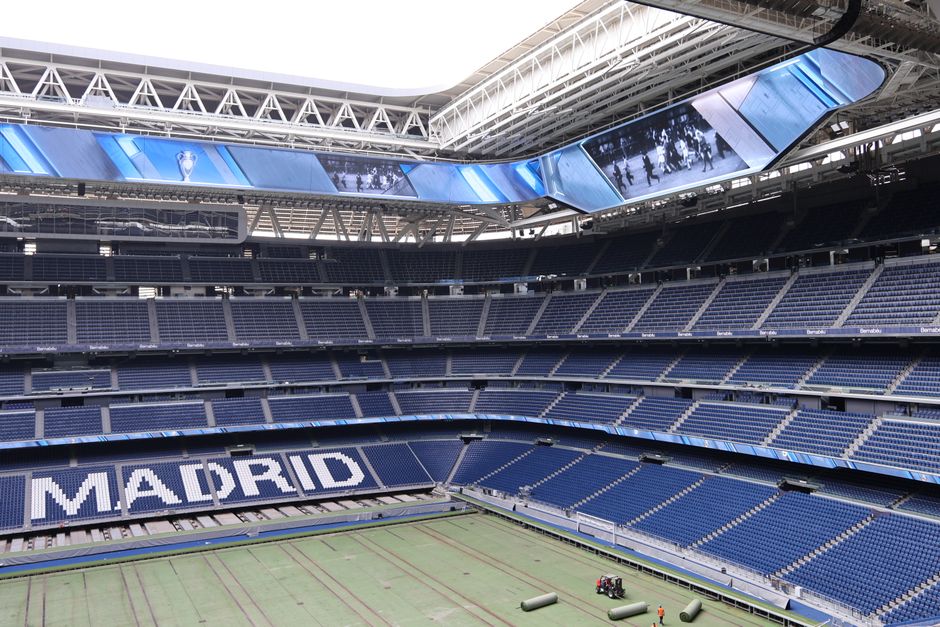
Madrid's sporting infrastructure stands ready for what promises to be a landmark season, with the city's premier venues undergoing strategic preparations to host some of Europe's most anticipated fixtures. The Santiago Bernabéu, freshly renovated and gleaming on the Paseo de la Castellana, has emerged as a masterclass in modern stadium evolution. With its 81,044 capacity fully restored and state-of-the-art facilities installed, the iconic white fortress now rivals any continental venue for Champions League knockout encounters.
Just across the city in the Vallecas neighbourhood, the Metropolitano—Atlético Madrid's fortress—continues its reputation as one of Europe's most intimidating atmospheres. The 68,456-capacity stadium has been bolstered with enhanced acoustics and premium hospitality zones aimed at attracting international tournament organisers. Club officials have confirmed significant investment in pitch infrastructure and medical facilities, signalling ambitions to host UEFA showpiece events.
Beyond the two giants, Madrid's secondary venues play crucial roles. The Alfredo Di Stéfano at Valdebebas, Atlético's training ground stadium with 6,000 capacity, remains central to Spanish cup competitions. Meanwhile, temporary facilities around the Plaza Mayor district continue to host international basketball and esports tournaments, diversifying Madrid's event portfolio.
Industry analysts project ticket demand will surge this season, with average Bernabéu prices hovering between €80-€350 depending on fixture significance. The Metropolitano expects similar pricing architecture. Both clubs have invested in digital ticketing infrastructure, reducing counterfeit operations that plagued previous campaigns.
Security remains paramount. Following protocols established during previous continental fixtures, both venues have enhanced CCTV networks and coordinated with Madrid's municipal police across the Chamberí and Retiro districts. Transport links via Metro Lines 3 and 8 continue receiving infrastructural updates to manage crowd flows during high-attendance periods.
The broader context matters: Madrid hosts approximately 15-20 major sporting events annually across all venues, generating an estimated €280 million in economic activity. This season's calendar includes potential Copa del Rey finals, international friendlies, and qualifying rounds for major continental tournaments.
With both mega-clubs targeting European glory, stadium readiness isn't mere logistics—it's strategic positioning. The Bernabéu's renovated media facilities and the Metropolitano's intimidating atmosphere could prove decisive factors in knockout contests. For Madrid's sports economy, the implications are substantial: successful hosting of prestigious finals translates directly into tourism revenue, hospitality spending, and international prestige.
As the 2026-27 campaign approaches, Madrid's venues stand prepared not merely as football theatres, but as championship-calibre stages ready to showcase European football at its finest.
This article was compiled by AI from the sources linked above and screened before publishing. See our editorial standards.
How does this story make you feel?
Spread the word
About this article
Published by The Daily Madrid
Daily brief
Free, in your inbox before 7am. Weekdays.
More in Sport