Madrid Community Safety Councils: How the Model Works
Discover how Madrid's 21 district-level Community Safety Councils are reshaping neighborhood policing through resident-police dialogue and local engagement.
Discover how Madrid's 21 district-level Community Safety Councils are reshaping neighborhood policing through resident-police dialogue and local engagement.
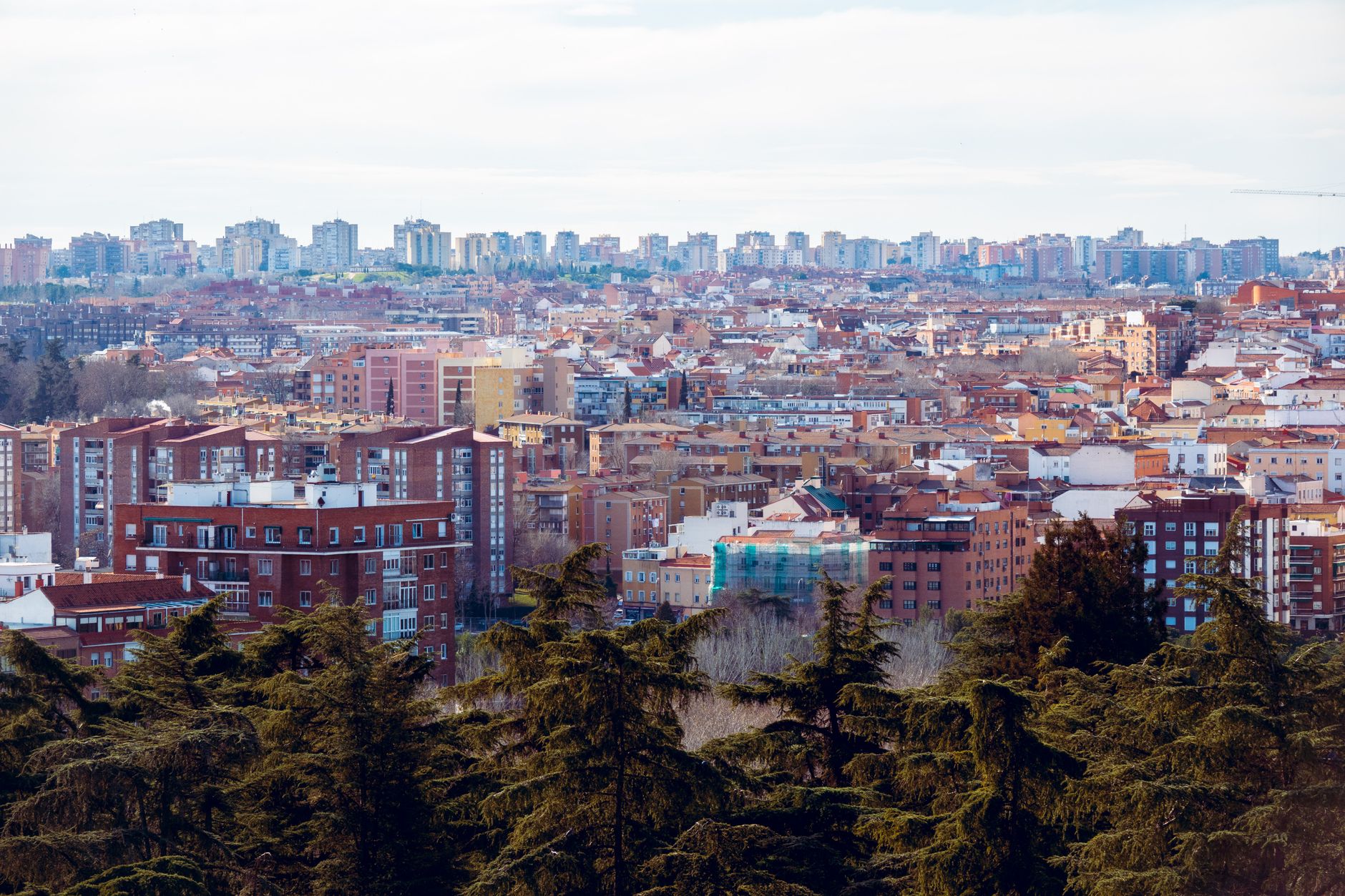
Walk through the narrow streets of Malasaña on any Saturday morning and you'll spot them: residents chatting with local police officers at the Plaza del Dos de Mayo, sharing concerns about street lighting or petty theft. It's an unremarkable scene for Madrileños, but increasingly rare globally.
As major cities from Johannesburg to Miami grapple with fractured relations between communities and law enforcement, Madrid has quietly developed a neighbourhood-focused safety model that prioritises dialogue over division. The city's 21 district-level Community Safety Councils, which bring together residents, local businesses, and police officials, have become the backbone of this approach.
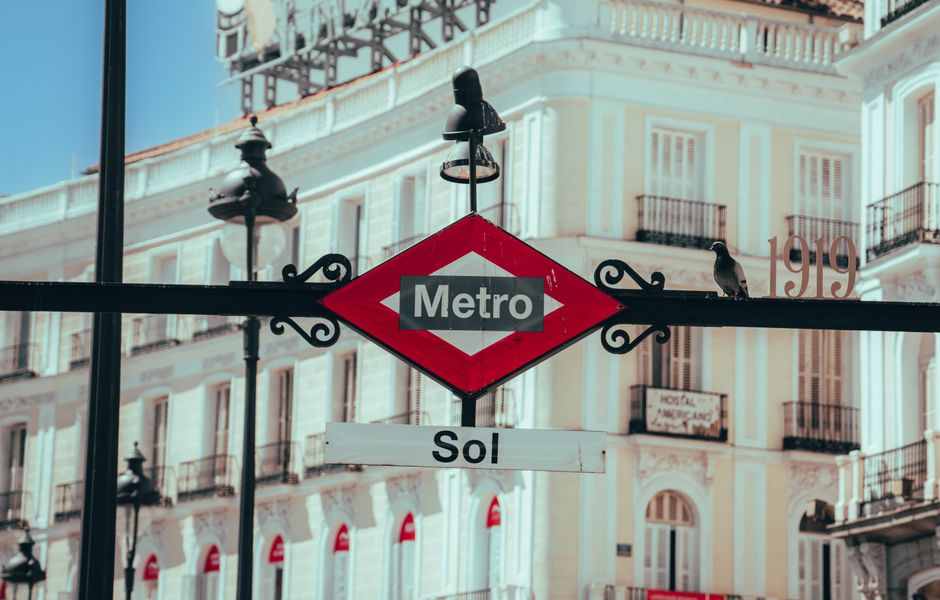
"What makes Madrid's system work is accessibility," explains the infrastructure at the Puerta del Sol district centre, where residents can register complaints and suggestions directly with neighbourhood officers. The city invests approximately €45 million annually in these community-policing initiatives—less per capita than comparable European capitals like Paris or Berlin, yet delivering measurable results. Crime reports in central districts like Centro and Arganzuela have declined 12% over the past three years, according to Madrid's municipal safety data.
The contrast with troubled cities elsewhere is striking. In cities experiencing anti-immigration tensions or community unrest, the absence of trusted local intermediaries has amplified fear and polarisation. Madrid's Junta de Distrito model—where district councils meet monthly to address neighbourhood-specific issues—creates precisely those connections.
Take Carabanchel, traditionally one of Madrid's most economically challenged neighbourhoods. The district's community centre on Avenida de los Castillos now hosts weekly integration programmes, language classes, and job-training sessions that involve both long-term residents and recent arrivals. Local shopkeepers report feeling safer; participation in district safety forums has nearly doubled since 2024.
"The key difference is that Madrid treats neighbourhoods as living units, not administrative zones," notes the work of local civic organisations like Fundación Iniciativa Social de Apoyo a la Marginalidad, which coordinates with municipal authorities to identify vulnerabilities before they escalate.
Yet challenges persist. Gentrification pressures in neighbourhoods like Malasaña and Chueca are straining social cohesion, and immigrant communities in outer areas still report feeling marginalised. The model isn't perfect—but it offers something increasingly valuable: proof that cities can build safety through trust rather than surveillance, and community through consistent, unglamorous civic investment.
As global cities search for solutions to fracturing social bonds, Madrid's neighbourhood-first approach deserves closer examination.
This article was compiled by AI and screened before publishing. See our editorial standards.
How does this story make you feel?
Spread the word
About this article
Published by The Daily Madrid
Daily brief
Free, in your inbox before 7am. Weekdays.
More in News