Madrid Metro Expansion 2025: €3.2B Plan Explained
Madrid greenlights major metro and bus infrastructure projects through 2035. Learn what the Vallecas extension and new rapid transit corridor mean for your commute.
Madrid greenlights major metro and bus infrastructure projects through 2035. Learn what the Vallecas extension and new rapid transit corridor mean for your commute.
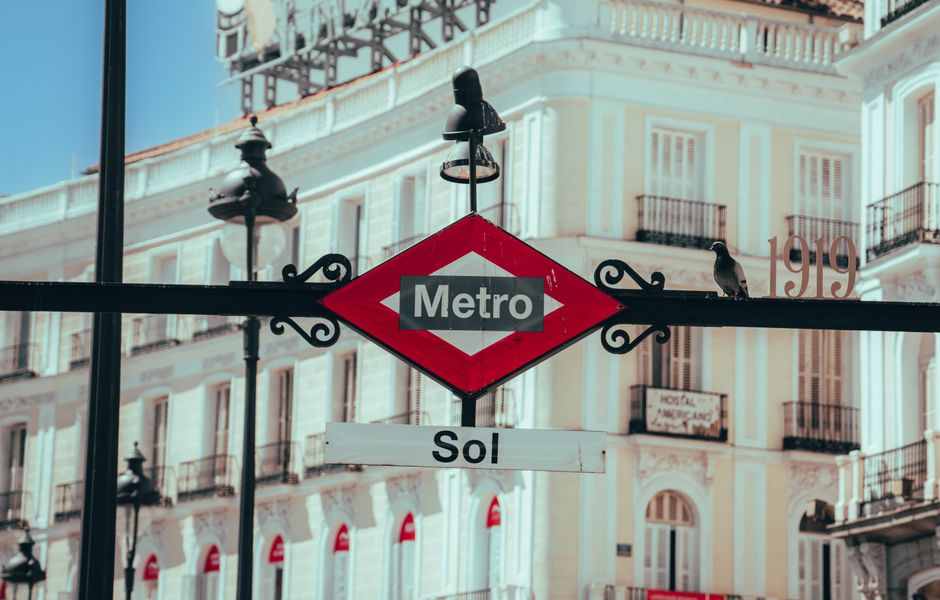
Madrid's transport establishment is locked in a critical moment of strategic planning, with senior officials and transport engineers publicly weighing in on ambitious infrastructure proposals that could reshape how the city's 3.3 million residents move between neighbourhoods by 2035.
The centrepiece of current discussions surrounds the southern metro extension into the Vallecas district and the proposed Bus Rapid Transit corridor linking Plaza de Castilla to Alcalá de Henares—a route that would serve 180,000 daily commuters according to municipal transport authority calculations. City planners at the Ayuntamiento have characterised the €3.2 billion investment as essential infrastructure rather than luxury expansion.
Transport engineers at the Escuela Técnica Superior de Ingenieros de Caminos have publicly stated that Madrid's current underground network, largely unchanged since the 1980s, operates at 107 per cent capacity during rush hours. This technical reality has framed the debate around whether expansion or demand management should take priority—a tension reflected in recent regional government statements emphasising both simultaneous strategies.
The projects face scrutiny from environmental groups and neighbourhood associations across central Madrid. Residents of Chueca and Malasaña have raised concerns about construction timelines, particularly regarding the Paseo del Prado intersection works scheduled for autumn 2027. Regional infrastructure officials have committed to limiting surface disruption to twelve-month windows per district.
University researchers specialising in urban mobility have highlighted Madrid's position relative to comparable European capitals. While Paris completed its central metro lines decades ago and Berlin benefits from extensive suburban rail, Madrid's planners argue the city has opportunity to incorporate modern traffic management systems and real-time passenger information absent from earlier generations of infrastructure.
The financial commitment represents approximately 4.7 per cent of the region's annual budget, a figure that transport economists at Universidad Autónoma have characterised as moderate relative to the network's projected twenty-year returns. Officials point to reduced car commuting projections of 12 per cent by 2035 as the primary economic justification.
Cultural heritage considerations have introduced complexity into planning discussions. Proposed metro stations near Plaza Mayor and the Barrio de las Letras have prompted archaeological oversight mechanisms that regional heritage officials describe as unprecedented in Spanish infrastructure projects. This approach, they argue, sets standards for other European capitals managing similar expansions through historic centres.
City officials have scheduled public consultation periods throughout July and August, inviting residents and business owners along affected routes to review technical proposals before autumn finalisation of construction sequencing.
This article was compiled by AI and screened before publishing. See our editorial standards.
How does this story make you feel?
Spread the word
About this article
Published by The Daily Madrid
Daily brief
Free, in your inbox before 7am. Weekdays.
More in News