Madrid's Football Infrastructure Reaches Critical Crossroads as Demand Outpaces Aging Facilities
With both major clubs investing billions in new stadiums, grassroots pitches across the capital face unprecedented strain.
With both major clubs investing billions in new stadiums, grassroots pitches across the capital face unprecedented strain.
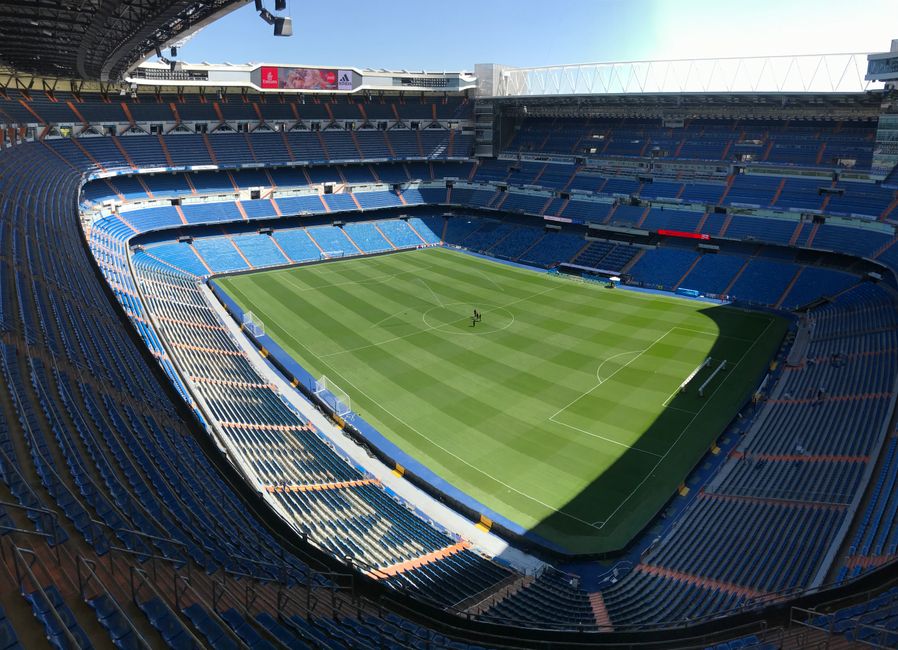
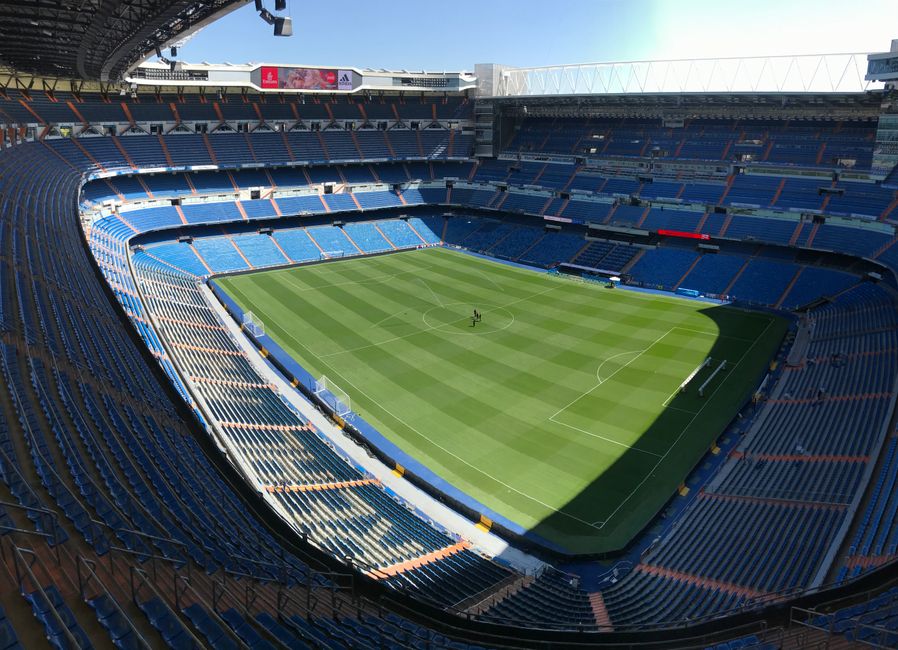
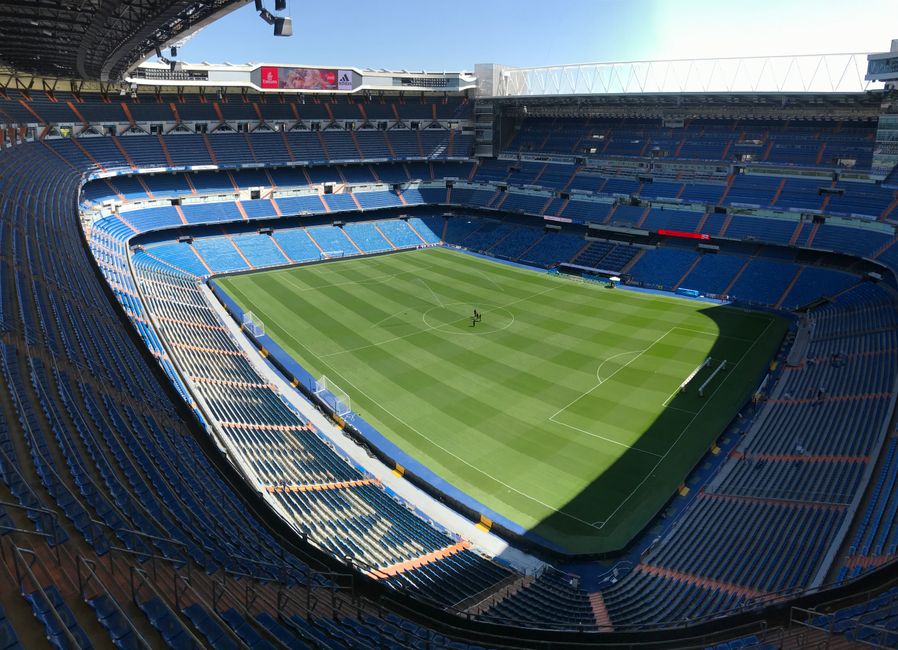
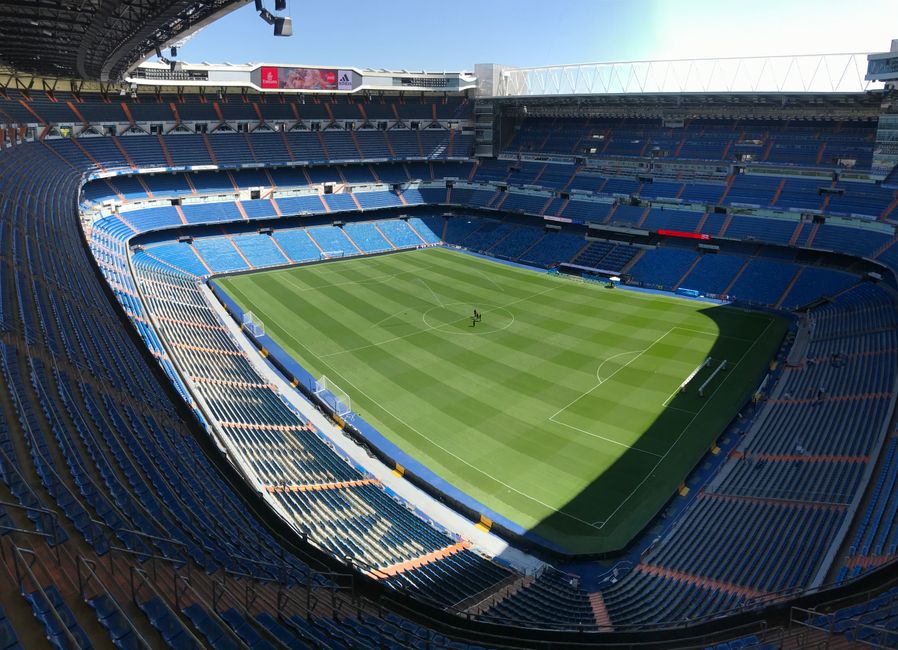
Madrid's football ecosystem stands at a pivotal moment. While Real Madrid's €1.26 billion Bernabéu renovation nears completion and Atlético Madrid's €500 million Metropolitano expansion continues, a paradox emerges: the city's foundational football infrastructure—the hundreds of modest pitches and training grounds where the next generation learns the game—is buckling under pressure.
The numbers tell a stark story. According to data from the Madrid Sports Council, municipal football pitches across Chamberí, Carabanchel, and Puente de Vallecas neighbourhoods operated at 87% capacity last season, with waiting lists for youth teams stretching into months. The deteriorating synthetic surfaces at facilities like Campo de Fútbol de Ciudad de los Ángeles in San Blas now require €2.3 million in emergency repairs—funds the city struggles to allocate.
"The big clubs generate enormous revenue and passion," explains one local federation official, "but investment concentration at the top leaves community infrastructure neglected." While the Bernabéu's new north stand rises majestically above Chamartín, just kilometres away in Usera, children queue for access to crumbling municipal facilities built in the 1980s.
Real Madrid City in Valdebebas remains exemplary—a €600 million training complex with 12 pitches, state-of-the-art recovery facilities, and cutting-edge analytics. Yet this fortress of excellence sits isolated from the broader network. The gap between elite infrastructure and grassroots provision has never been wider.
Madrid's municipal authorities acknowledge the crisis. The city has committed €47 million across its current four-year plan to refurbish aging pitches, targeting 23 venues by 2028. Priority sites include the aging Campo de Fútbol de Hortaleza and facilities in Villaverde, where participation numbers actually exceed available infrastructure.
The solution requires coordinated action. Some argue that major clubs should contribute more—Real Madrid and Atlético Madrid's combined annual revenue exceeds €800 million. Others point to the success of smaller clubs like Rayo Vallecano, whose investment in community facilities strengthened their supporter base while developing youth talent.
As Madrid prepares to bid for future international tournaments, the irony deepens: a city with two world-class stadiums under development potentially lacks sufficient grassroots infrastructure to sustain competitive domestic football. Without urgent intervention, Madrid risks building monuments while its foundation crumbles.
This article was compiled by AI from the sources linked above and screened before publishing. See our editorial standards.
How does this story make you feel?
Spread the word
About this article
Published by The Daily Madrid
Daily brief
Free, in your inbox before 7am. Weekdays.
More in Sport