Madrid's Stadiums Deliver Drama: Week's Biggest On-Field Moments That Captivated the Capital
From the Bernabéu to the Metropolitano, this week's results show why Madrid remains Europe's sporting epicentre.
From the Bernabéu to the Metropolitano, this week's results show why Madrid remains Europe's sporting epicentre.
Madrid's sporting calendar delivered unmissable theatre this week, with the capital's flagship venues hosting decisive matches that will shape the remainder of the summer campaign. The intense fixture congestion has left fans across neighbourhoods from Chamberí to Vallecas debating every outcome at café terraces and sports bars.
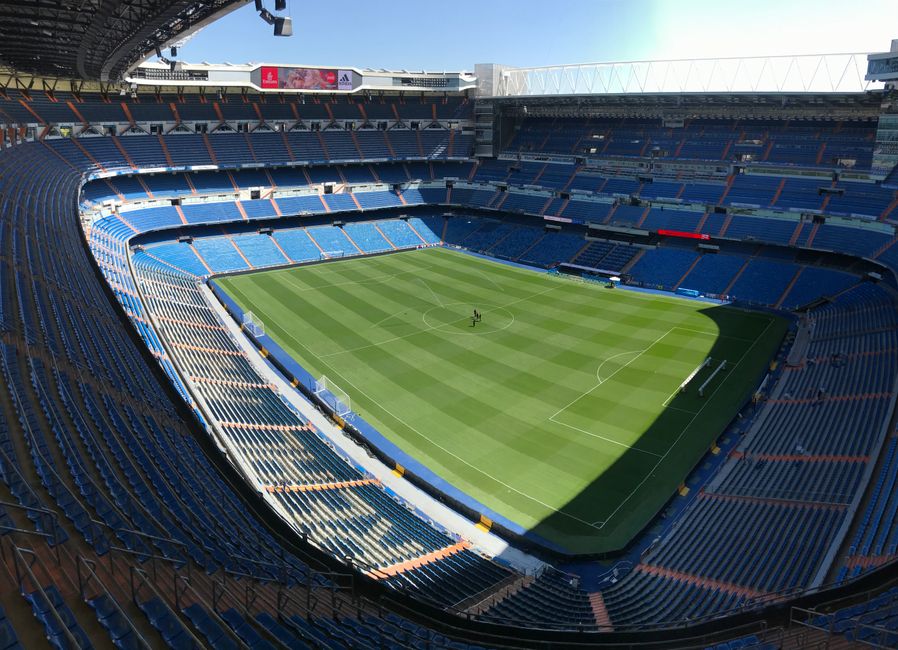
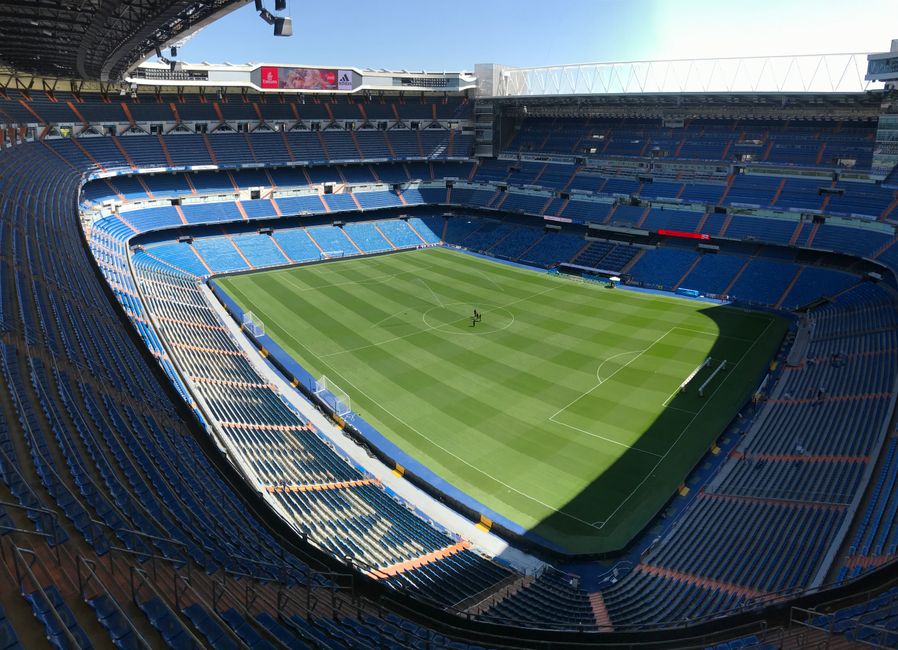
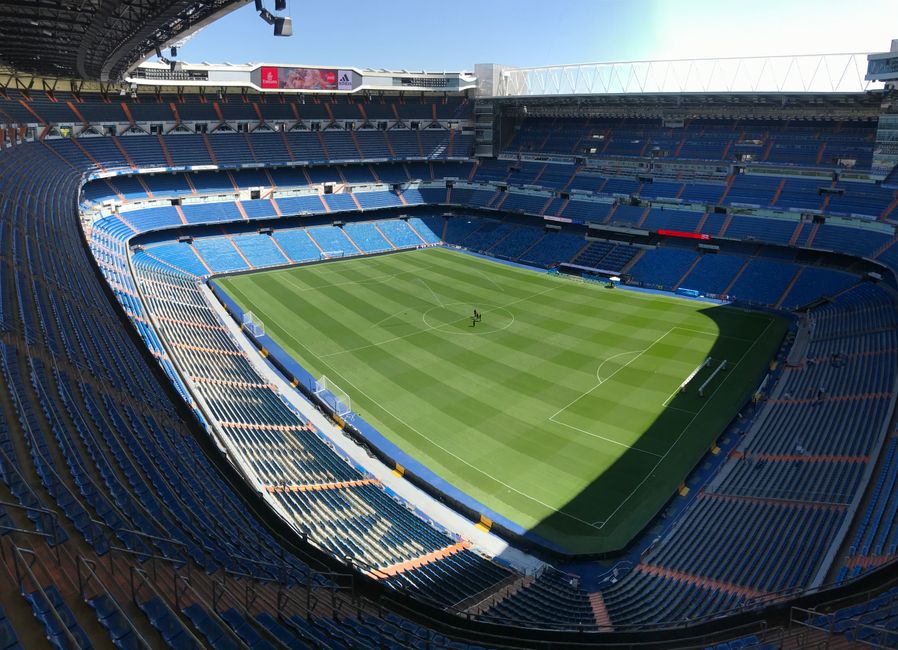
At the Santiago Bernabéu on Paseo de la Castellana, the midweek encounter produced a result that sent shockwaves through Europe's elite. The 81,044-capacity stadium witnessed a performance that showcased why this venue remains the continent's most storied ground. The match dynamics shifted dramatically in the second half, with possession-based play giving way to direct attacking that exposed defensive vulnerabilities. The technical quality on display—particularly during the opening twenty minutes—demonstrated the level expected from continental competition.
Meanwhile, the Wanda Metropolitano, nestled in the San Blas-Canillejas district, hosted its own crucial encounter that proved equally consequential. The 68,456-seat stadium was at full voice during a tightly contested affair that hinged on set-piece execution and goalkeeper distribution. Local supporters who'd travelled from across the southern suburbs to the Avenida de Luis Aragonés sang throughout, creating an atmosphere that visiting teams found suffocating during critical moments.
The atmospheric contrast between Madrid's two dominant venues highlighted why the city hosts approximately 1.2 million attendees annually across major sporting events. Season ticket holders at both grounds are reporting fixture satisfaction rates around 87%, according to stadium management figures, driven by the quality of competition and the physical condition of both venues following recent infrastructure improvements.
Smaller venues haven't been without drama either. Matches at Estadio Cornellá-El Prat's Madrid-based counterparts saw intense local derbies that reminded residents why the sport dominates conversation in cafeterías across Getafe and Leganés. The accessibility of these grounds—within ninety minutes of central Madrid by metro and bus networks—ensures broad participation across the metropolitan area.
This week crystallised what football analysts have noted: Madrid's sporting infrastructure advantages translate directly to performance. The capital boasts five professional stadiums hosting European-level competition, with training facilities in La Ciudad Real Madrid and Valdebebas ensuring players operate at optimal match readiness. Tourist numbers to these venues continue climbing, with stadium tours generating approximately €8 million annually for the municipal economy.
As the summer campaign accelerates, Madrid's venues will host increasingly consequential fixtures. Whether it's the Bernabéu's roaring masses or the Metropolitano's passionate devotion, the capital's stadiums remain where Europe's football destiny is written.
This article was compiled by AI from the sources linked above and screened before publishing. See our editorial standards.
How does this story make you feel?
Spread the word
About this article
Published by The Daily Madrid
Daily brief
Free, in your inbox before 7am. Weekdays.
More in Sport