The numbers tell a striking story about Madrid's relationship with youth fitness. According to the latest municipal sports registry, grassroots club membership among under-18s has surged 34% over the past three years, reaching nearly 185,000 active participants. Yet beneath this headline growth lies a more complex picture of how neighbourhood wealth, infrastructure investment, and cultural attitudes shape who gets to play.
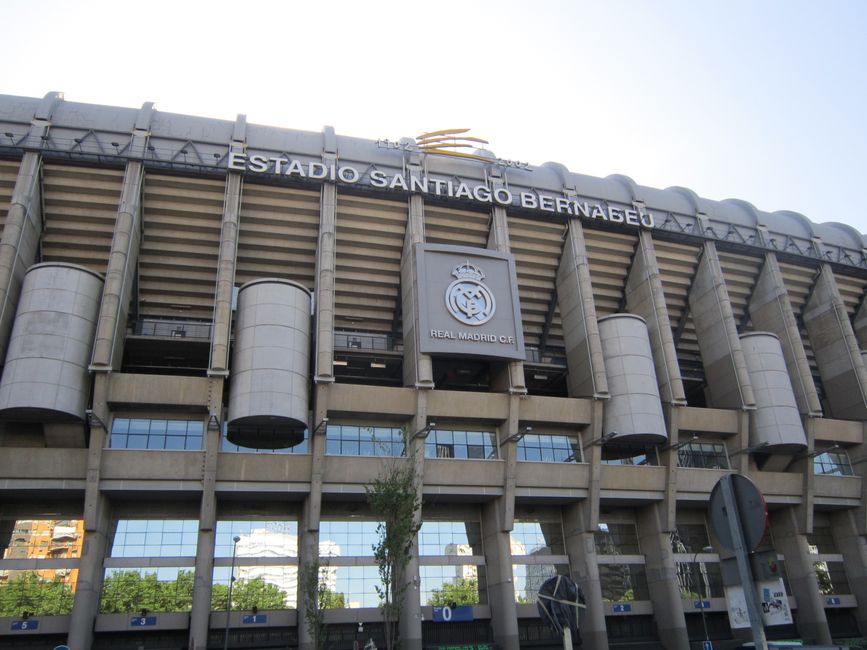
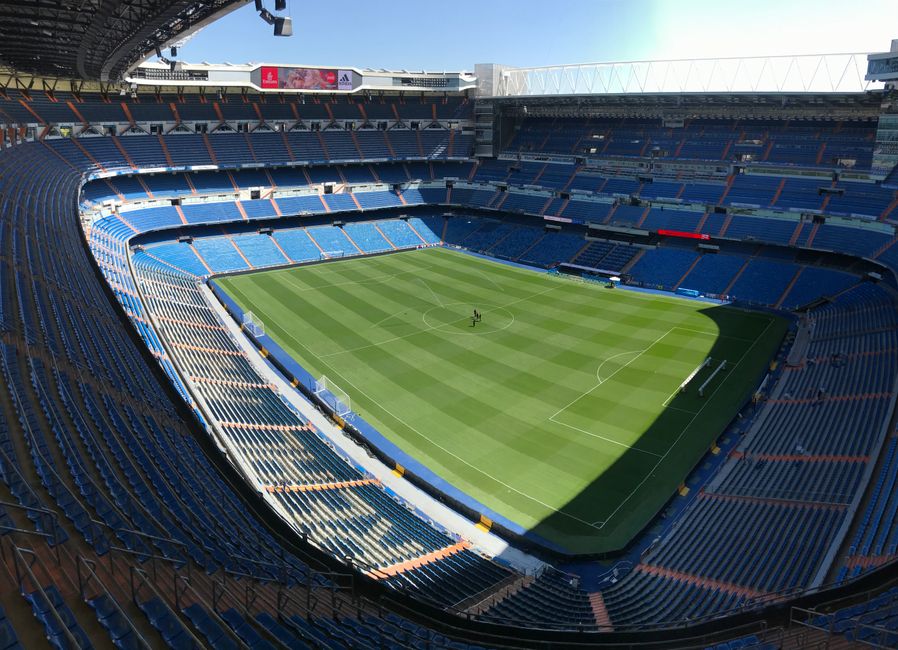
The surge is undeniable in affluent zones. In Salamanca and Chamberí, youth football clubs report waiting lists of 200-plus children. The prestigious Real Madrid Foundation academy on Avenida Concha Espina now processes applications months in advance. Swimming facilities in these northern districts operate at 95% capacity during evening hours. Meanwhile, membership fees averaging €450-€650 annually remain standard across premium clubs—a barrier that hasn't budged despite the participation explosion.
But venture into working-class districts like San Blas, Villaverde, or Villa de Vallecas, and the picture shifts dramatically. Municipal facilities here report participation rates 40% below north-side equivalents. Budget constraints at local clubs have forced many to cut evening programmes entirely. A three-year-old study by Madrid's Institute of Sports and Health indicated that children from lower-income families participate in organised sports at roughly half the rate of their wealthier peers.
Community organisations are fighting this tide. The Fundación Deporte y Desafío, operating across seven neighbourhoods from their base near Plaza Elíptica, has kept membership fees at €120 annually while introducing 600 additional young participants over two years. Their success highlights what's possible with targeted investment—yet funding remains inconsistent.
The data also reveals shifting sport preferences. Traditional football maintains dominance, but basketball participation has climbed 28% since 2023, while skateboarding and parkour clubs have tripled. Girls' participation has grown faster than boys'—up 42% compared to 28%—suggesting cultural attitudes toward female athleticism are genuinely shifting in Madrid's younger generation.
What the numbers ultimately show is that Madrid's youth fitness culture isn't monolithic. It's thriving among privileged demographics with access to world-class facilities and coaching. But it's fractured along geographic and economic lines that reproduce existing inequalities. As the city celebrates record grassroots engagement, officials must confront an uncomfortable truth: participation growth is real, but so is the two-speed system it masks. Sustainable fitness culture requires levelling that playing field.
This article was compiled by AI from the sources linked above and screened before publishing. See our editorial standards.