Madrid's extreme sport landscape has undergone a seismic shift over the past five years, driven by ambitious infrastructure investment and a surge in participation that has transformed the city from a casual climbing destination into a serious contender on Europe's adventure sports circuit.
The opening of Rocódromo Cantoblanco in 2023 marked a watershed moment. Located in the university district north of the city centre, the 2,500-square-metre facility features 18 competition-standard walls reaching heights of 15 metres, hosting regional and national qualifying events. Membership costs €45 monthly, making it accessible to serious climbers while generating sustainable revenue for maintenance and staff. The venue's success prompted similar investments across the city's neighbourhoods—La Latina now hosts a boutique climbing gym specialising in bouldering, while Retiro's newly renovated sports complex added a 600-square-metre wall in early 2025.
But indoor facilities tell only half the story. Madrid's proximity to the Sierra de Guadarrama—just 30 kilometres north—has catalysed infrastructure development that benefits outdoor climbers. The regional government's €2.8 million investment in bolted routes and marked pathways has created over 200 established climbing sectors within accessible distance. The Pedriza area, long popular with traditional climbers, now features improved parking facilities, equipment rental points, and safety briefing stations run by certified guides affiliated with the Madrid Climbing Federation.
The infrastructure boom reflects hard data. According to a 2025 survey by Spain's sports ministry, climbing participation in the Madrid metropolitan area increased 42% between 2020 and 2026—substantially above the national average of 28%. The city now hosts approximately 15,000 regular climbers, up from 9,500 six years ago.
Equipment accessibility has improved dramatically. Specialist retailers cluster along Calle de San Bernardo in Chamberí, while rental services at major venues have reduced barriers for newcomers. Entry-level participation costs have dropped: €20 introduction sessions at established gyms, rope and harness rentals at €8 per day.
The municipality's 2026-2030 sports infrastructure plan allocates €1.2 million specifically for climbing and adventure sports, signalling institutional commitment. Plans include an outdoor training centre in Casa de Campo and expanded facilities in the southern suburbs of Getafe and Móstoles.
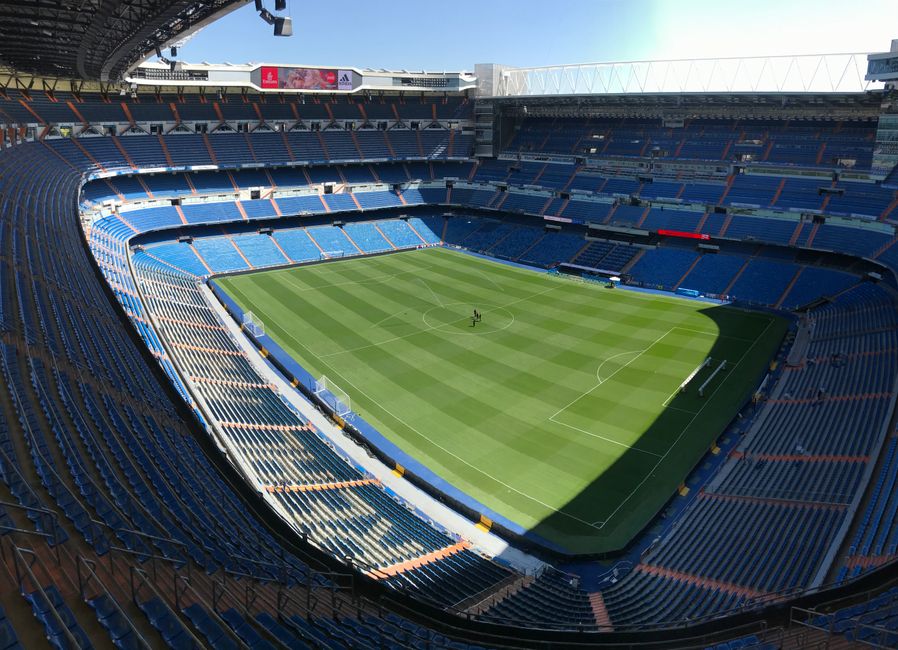
For Spanish athletes and international visitors alike, Madrid's transformation represents something vital: a major European capital treating climbing infrastructure with the same seriousness it reserves for football stadiums and tennis courts. That commitment is changing the sport's trajectory here fundamentally.
This article was compiled by AI and screened before publishing. See our editorial standards.