On any given evening in the Vallecas neighbourhood, the synthetic pitch at Centro Deportivo Municipal Peña Gallo buzzes with activity. Kids from single-parent households weave between cones, while teenagers referee matches with the seriousness of seasoned professionals. This is where Madrid's real football revolution is happening—not in the glass-walled stadiums of the wealthy north, but in the scrappy, resilient heart of the city's working communities.
The grassroots movement has accelerated dramatically since 2023, when municipal funding for neighbourhood sports programmes nearly tripled. Today, approximately 47,000 young people participate in organised grassroots football across Madrid's 21 districts, according to data from the Federación de Fútbol de Madrid. Yet the impact extends far beyond match statistics.
In Puente de Vallecas, the Asociación de Fútbol Comunitario has established fourteen informal training groups across parks and school grounds, serving neighbourhoods where youth unemployment hovers above 22%. The initiative costs families between €15 and €30 monthly—a stark contrast to private academies charging upwards of €200. "We're not selecting future professionals," explains one long-serving volunteer coordinator. "We're providing structure, belonging, and hope."
The movement has proven particularly vital in districts like Latina and Carabanchel, where integration challenges persist. Mixed-nationality teams have become normalised, with players from Venezuelan, Moroccan, Romanian, and Spanish backgrounds training together several times weekly. The Consejería de Deportes reports that 68% of grassroots participants now come from immigrant or economically disadvantaged backgrounds.
Infrastructure remains modest. Most clubs operate from municipal facilities or school pitches, relying on donated equipment and volunteer coaches. Yet this constraint has fostered creativity. Neighbourhood associations have launched fundraising campaigns, local bars sponsor kit, and retired players donate training time. The authentic community ownership stands in sharp contrast to top-tier football's corporate machinery.
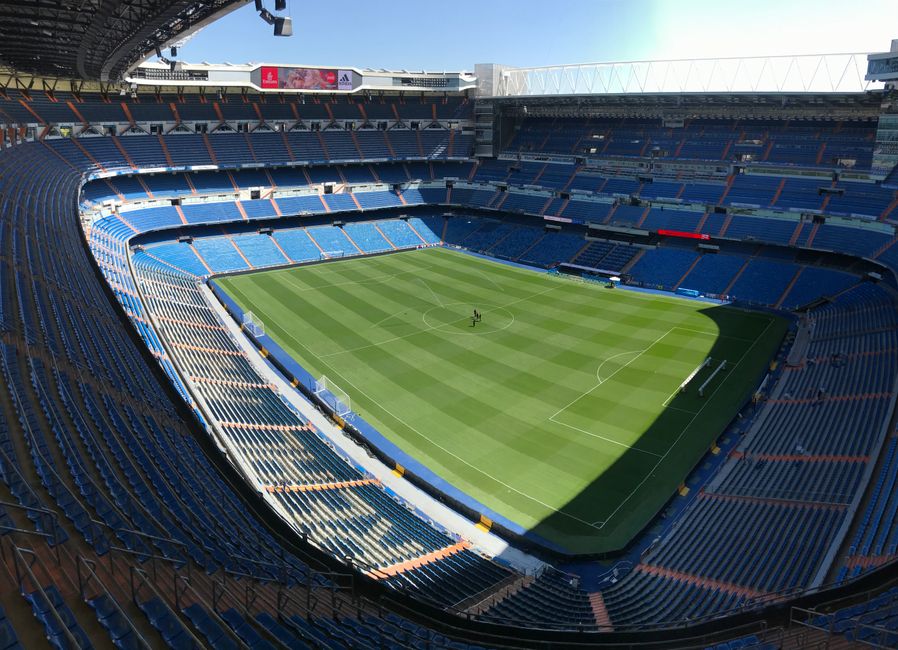
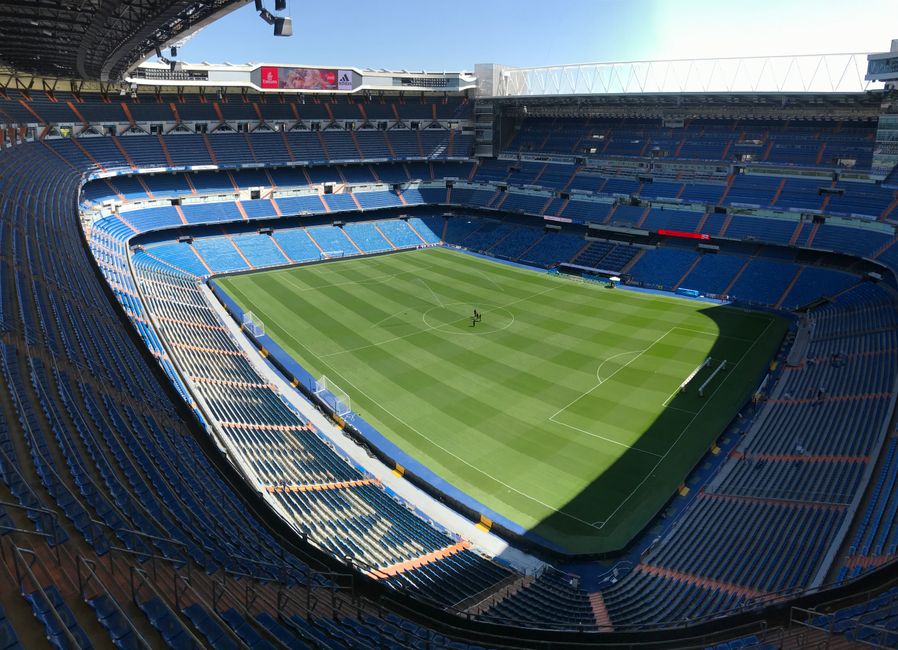
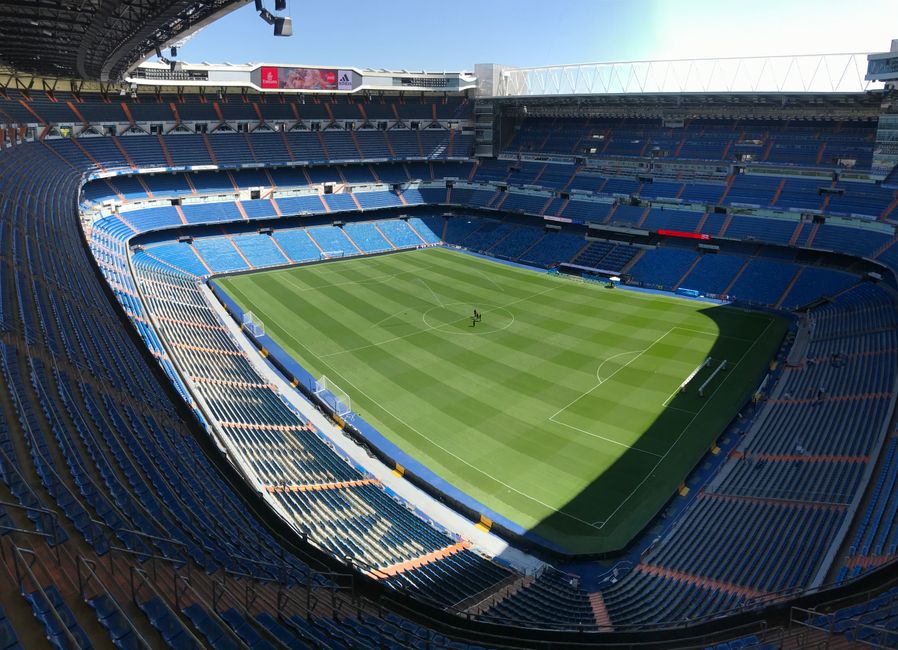
Real Madrid and Atlético Madrid academies serve perhaps 3,000 young people annually. The grassroots network, meanwhile, touches lives across Arganzuela, Chamberí, Tetuán, and beyond—building social capital in areas where it's desperately needed.
As Madrid navigates post-pandemic social fragmentation, these humble football pitches have become unlikely anchors. They're where children learn discipline, where immigrant families find community, where neighbourhoods remember they're more than statistics. The beautiful game, it turns out, remains most beautiful when played on concrete pitches with neighbours who've become friends.
This article was compiled by AI from the sources linked above and screened before publishing. See our editorial standards.