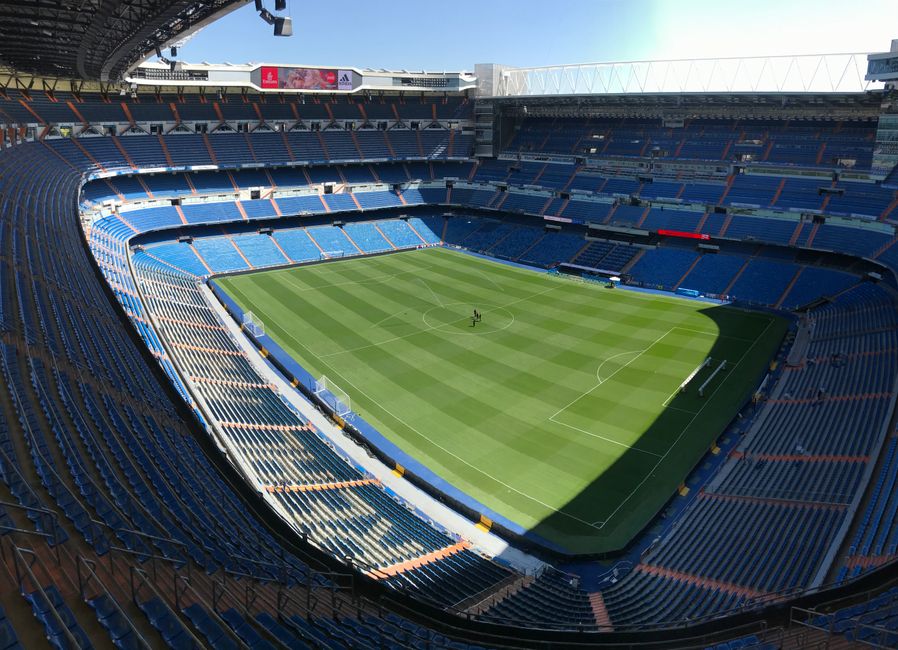
While Madrid's elite clubs dominate European headlines, a quieter but equally significant sporting revolution is unfolding in neighbourhoods from Vallecas to Carabanchel. Local clubs operating modest stadiums and community centres are becoming the true heartbeat of Madrid's sporting culture, proving that championship-calibre community building doesn't require 80,000 seats.
The numbers tell a compelling story. Grassroots football clubs across the city now boast over 45,000 registered youth players, according to the Madrid Municipal Sports Directorate—a 23% increase since 2020. These aren't vanity projects; they're lifelines. At the Complejo Deportivo Municipal de Vallecas, a 2,500-capacity venue that hosts local fixtures, youth programmes have expanded to serve 800 young athletes weekly, many from economically disadvantaged backgrounds. Monthly membership costs around €45, making sport accessible rather than exclusive.
The Polideportivo Municipal Agustín Marañón in the Salamanca district exemplifies this transformation. Built in the 1990s with capacity for 1,200 spectators, it now hosts not just football but handball, futsal, and community events that draw 3,000 visitors monthly. The venue generates €120,000 annually in local revenue through modest ticket sales, merchandise, and concessions—funds reinvested directly into youth scholarships and facility maintenance.
What distinguishes Madrid's approach is integration with neighbourhood infrastructure. The Instalaciones Deportivas de Carabanchel doesn't merely host matches; it anchors social cohesion. Saturday fixtures attract multi-generational crowds; children play while parents socialise in surrounding bars along the Avenida de las Ciudades. Local businesses report 18% increased footfall on match days, according to the Carabanchel Traders' Association.
These venues are deliberately modest by design. Without corporate hospitality suites or premium pricing, they remain authentically local. A family of four can attend a Segunda División B match for €30 total—compare that to Madrid's larger clubs, where comparable tickets exceed €120.
Perhaps most significantly, these clubs function as social infrastructure. They provide structured activity for youth, employment for coaches and groundskeepers, and gathering spaces in increasingly fragmented urban neighbourhoods. During Madrid's summer months, when European clubs enter hibernation, local venues sustain the sporting calendar with tournaments, camps, and community events.
As Madrid continues evolving into a sprawling metropolis of 3.3 million residents, these grassroots stadiums and clubs represent something precious: spaces where sport belongs not to corporations or elites, but to communities. They're not seeking headlines. They're building something more durable—neighbourhood identity, one match at a time.
This article was compiled by AI from the sources linked above and screened before publishing. See our editorial standards.