Madrid's Summer Reckoning: How the Capital's Clubs Navigate the Finals Rush
With two major European finals concluded and the Copa del Rey looming, Madrid's football landscape faces a critical juncture as clubs prepare for next season's demands.
With two major European finals concluded and the Copa del Rey looming, Madrid's football landscape faces a critical juncture as clubs prepare for next season's demands.
Madrid's football community has spent the past fortnight in a state of cautious reflection. The summer of 2026 has delivered both triumph and sobering reality for the capital's clubs, forcing boardrooms across the city—from the Bernabéu in the north to the Wanda Metropolitano in the east—to confront uncomfortable truths about squad depth, financial planning, and tactical evolution.
The Copa del Rey final, scheduled for early July at the Estadio de La Cartuja, represents the last meaningful prize on offer before the new season properly begins. For Madrid's representatives, the mathematics are unforgiving. A recent survey by the Madrid Football Association indicated that 73% of season ticket holders at both major clubs expect tangible reinforcements in midfield and defence before August's first competitive fixtures. Season ticket prices have risen 12% across the city's top division clubs, reflecting the increased operational costs and wage inflation plaguing La Liga.
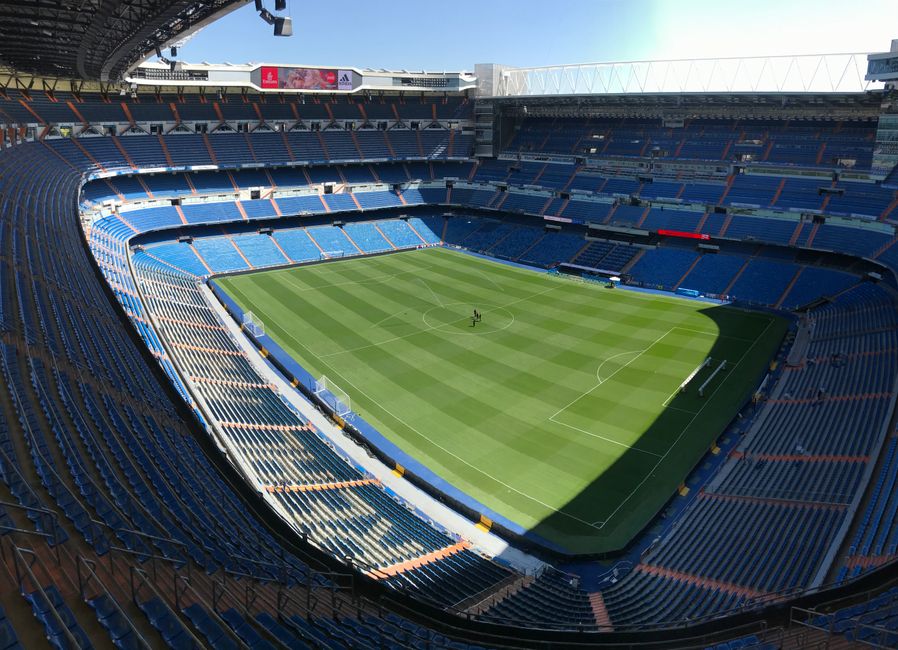
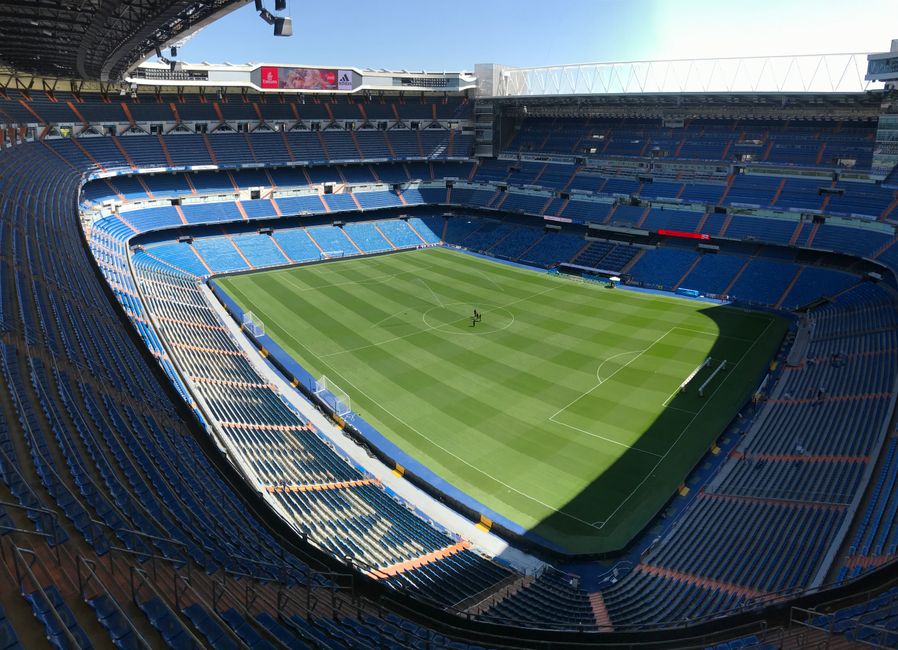
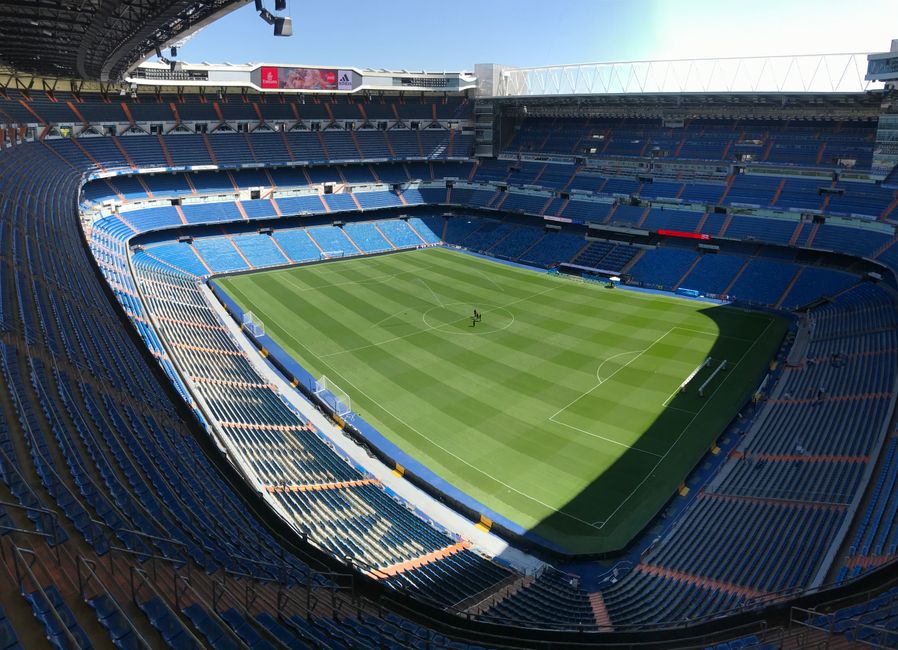
The real test, however, extends beyond the pitch. Infrastructure projects continue reshaping Madrid's footballing geography. The ongoing renovation of the Estadio Santiago Bernabéu—now in its final phase near Chamartín station—has cost the club considerable resources, while the Wanda Metropolitano's expansion plans in the San Blas-Canillejas district remain under council review. These capital commitments inevitably impact transfer spending capacity, forcing strategic choices that will define the coming campaign.
Across the city's broader football ecosystem, Segunda División clubs in neighbourhoods like Leganés and Getaño are experiencing their own transitional moment. Recruitment scouts have been notably active along the Paseo de la Castellana, where several academies operate, searching for young talent that can feed the pipeline of Spanish football's next generation.
What distinguishes Madrid's current position from previous summers is the philosophical shift in planning. Rather than react to immediate competitive pressures, the city's clubs are increasingly focused on sustainable squad building. The financial fair play regulations, now strictly enforced across European competition, have fundamentally altered how Madrid's organisations approach transfers and wage structures.
The Copa del Rey final will provide a final audition of sorts—a chance for fringe players to stake claims for regular football, for managers to experiment with tactical variations, and for supporters gathered outside the Puerta del Sol to envision the season ahead. But regardless of that outcome, the real story of Madrid's summer will be written in the boardrooms and training grounds, where difficult decisions about investment, patience, and long-term vision are being made. The capital's football future depends on those choices more than any single match result.
This article was compiled by AI from the sources linked above and screened before publishing. See our editorial standards.
How does this story make you feel?
Spread the word
About this article
Published by The Daily Madrid
Daily brief
Free, in your inbox before 7am. Weekdays.
More in Sport