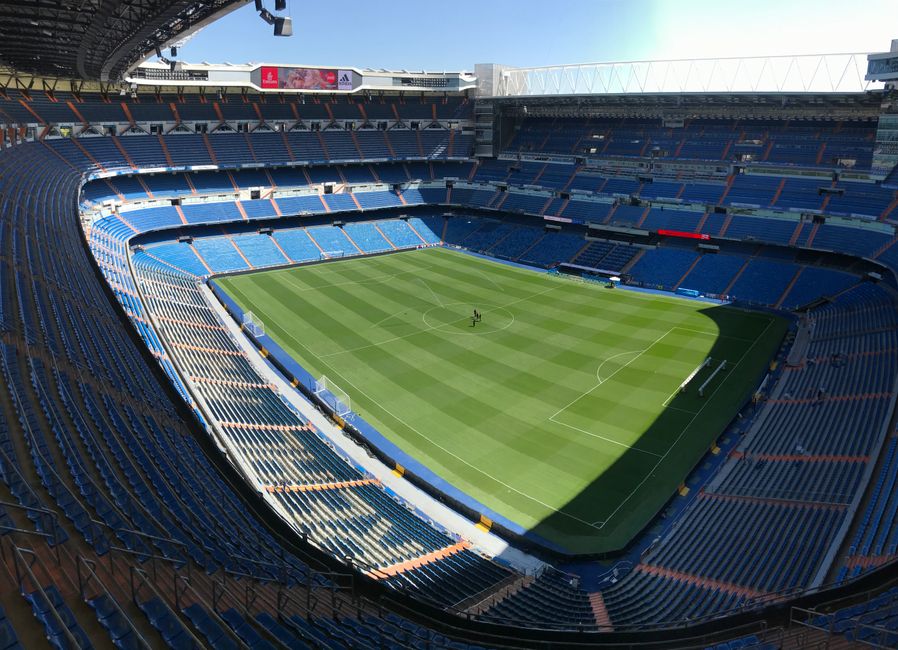
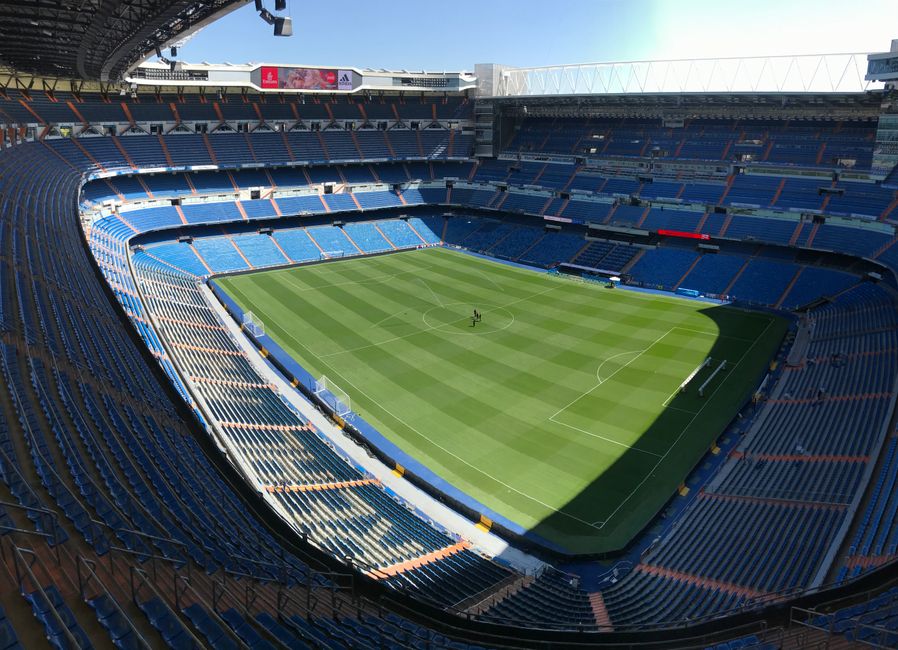
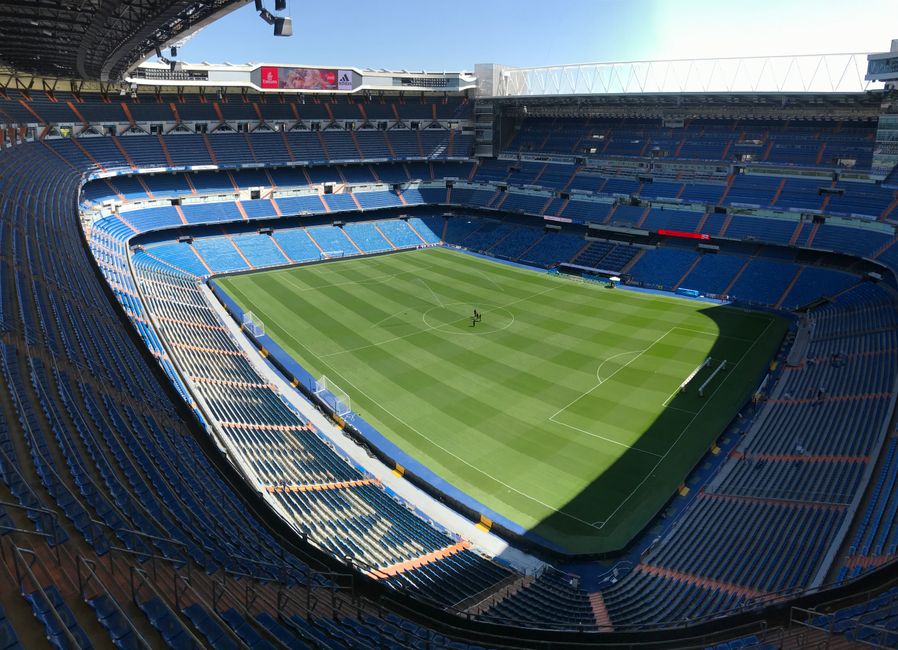
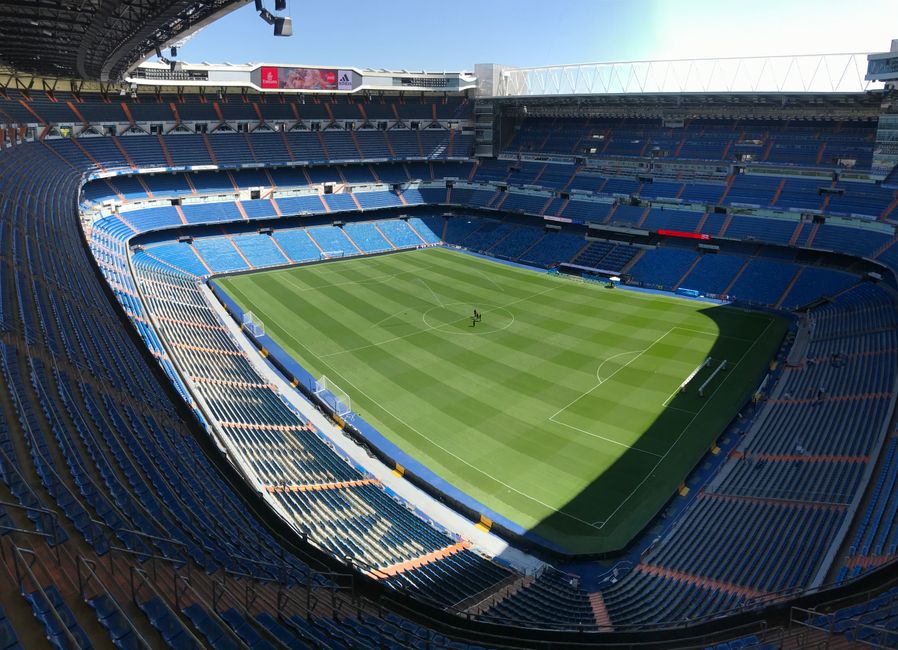
As thermometers climb toward 40 degrees across Madrid, the city's sprawling network of grassroots football academies is entering its most consequential period of the calendar. The summer finals—a cascade of regional championships spanning from early July through August—will determine which young talents advance to elite youth categories and which academies cement their reputation as genuine development powerhouses.
In the working-class neighbourhoods of Puente de Vallecas and San Blas, clubs like Atlético Madrid's satellite academies and smaller independent organisations are preparing their under-14, under-16, and under-18 squads for tournaments that will effectively shape the next three years of their competitive trajectory. The stakes extend beyond trophies: advancement means access to better coaching infrastructure, stronger opponents, and crucially, visibility to professional scouts from La Liga academies.
The Complejo Deportivo Municipal de Torrejón de Ardoz and the facilities surrounding the Estadio Alfredo Di Stéfano have already begun hosting preliminary rounds, with registration fees typically ranging from €180 to €350 per squad depending on category and organisation. Most Madrid clubs are fielding multiple teams across age groups, reflecting the city's deep bench of young football talent—estimates suggest over 85,000 young players are enrolled in organised grassroots programmes across the metropolitan area.
What distinguishes this summer's finals is the intensified professionalism at grassroots level. Clubs in neighbourhoods like Hortaleza and Moratalaz are employing sports scientists for final conditioning blocks, while academy directors speak openly about data analytics and movement pattern analysis once reserved for senior football. Several mid-sized clubs have secured sponsorship deals with local businesses—a relatively new phenomenon in the traditionally under-resourced grassroots sector.
The economic reality remains challenging. While elite academies linked to major clubs enjoy substantial institutional backing, independent neighbourhood clubs operate on thin margins. A typical small academy's annual budget hovers around €40,000-€60,000, forcing creative solutions: shared training grounds, volunteer coaching structures, and fundraising campaigns integrated into local community events.
Observers suggest this summer's championship cycle will reveal whether Madrid's distributed model of youth development—spread across hundreds of small clubs rather than concentrated in a few mega-academies—can genuinely compete with increasingly centralised systems in other regions. As the first week of July approaches and fixtures are finalised, one thing is certain: the city's youth football ecosystem is braced for a defining moment.
This article was compiled by AI from the sources linked above and screened before publishing. See our editorial standards.