Cape Verde's World Cup Miracle Has Madrid's Sporting Venues Buzzing With Pride
As the Atlantic island nation defies expectations in Qatar, Madrid's football clubs and diaspora communities are rallying behind an unprecedented tournament run.
As the Atlantic island nation defies expectations in Qatar, Madrid's football clubs and diaspora communities are rallying behind an unprecedented tournament run.
The ripples of Cape Verde's remarkable World Cup campaign have reached deep into Madrid's sporting heartland, transforming coffee bars in the Malasaña neighbourhood and filling the corridors of conversation at the city's premier venues. The island nation's improbable journey through the tournament has ignited a sense of possibility that extends far beyond the Iberian peninsula, touching the hearts of diaspora communities scattered across Spain's capital.
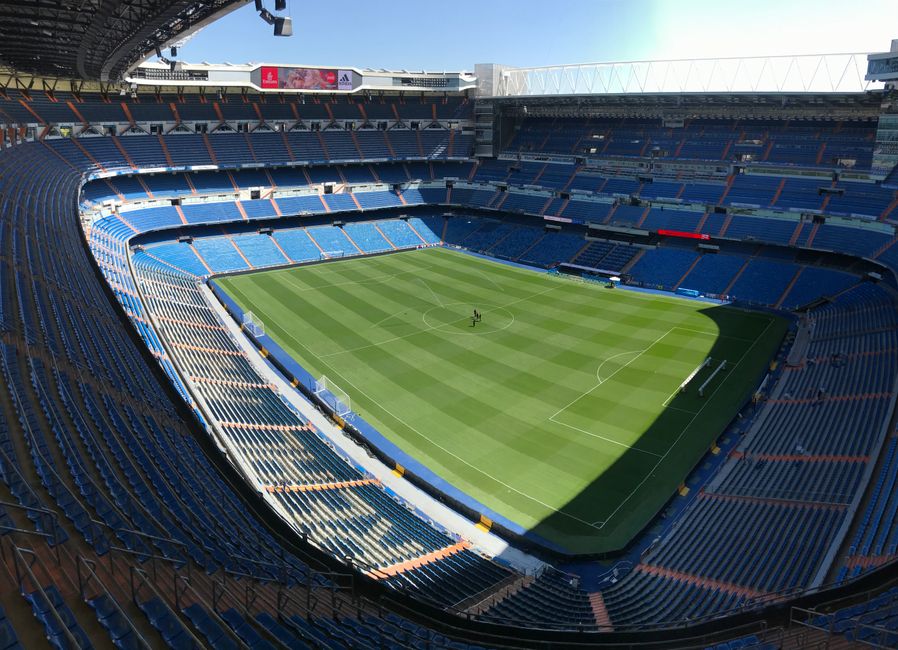
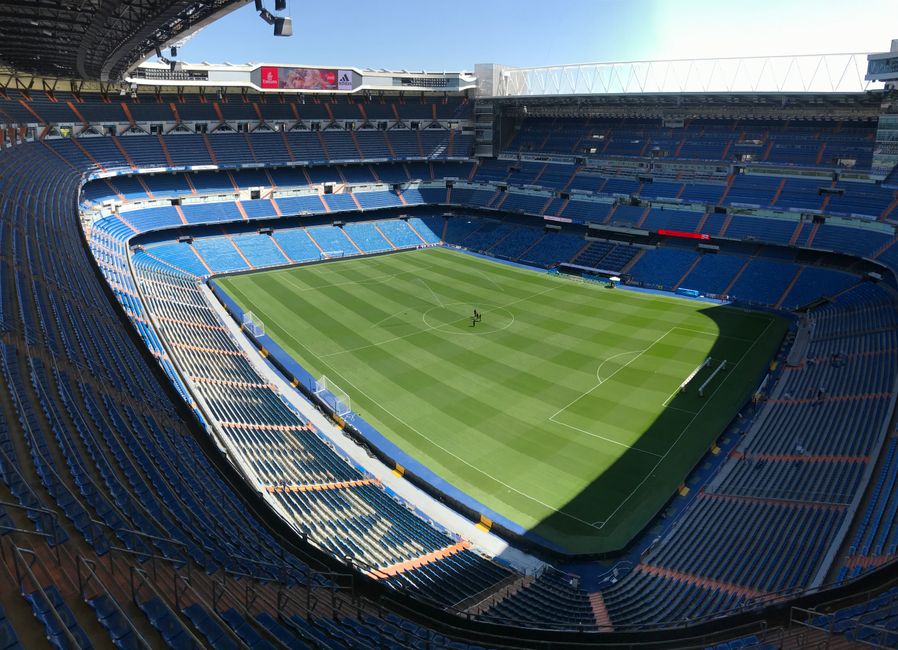
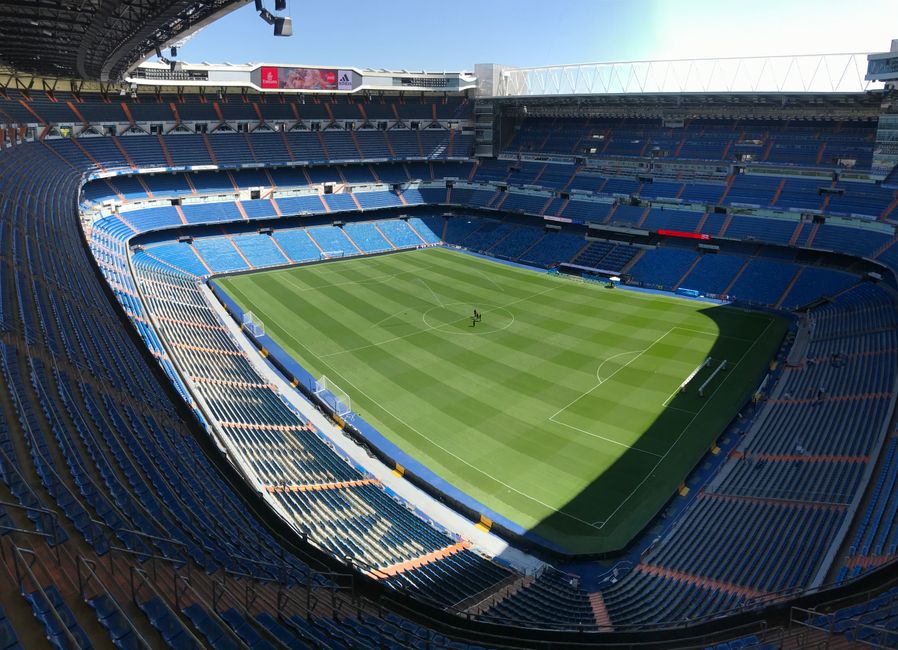
At the Estadio Santiago Bernabéu and Metropolitano, where titans of European football usually command attention, staff and fans alike have found themselves checking live updates from Qatar between matches. The phenomenon isn't merely nostalgic—it represents something deeper in Madrid's multicultural sporting ecosystem. Several African diaspora organisations operating from neighbourhood clubs around the Chamberí and Tetuán districts have organised viewing events, transforming modest facilities into vibrant celebration spaces.
Local sports analysts point to the structural lessons Cape Verde's squad offers. Operating with limited resources compared to traditional powerhouses, the team has maximised tactical discipline and collective cohesion—principles that resonate within Madrid's own football academies and youth development programmes. The Spanish capital hosts dozens of such facilities, from modest pitches near the Parque Juan Carlos I to state-of-the-art training complexes, and coaching staff have noted increased interest in studying unconventional tournament strategies.
The commercial impact ripples through Madrid's sporting venues as well. Merchandise retailers along the Gran Vía and in shopping centres report steady demand for Cape Verdean national team kits—a surprising commodity shift for June 2026. Several establishment bars in the Chueca district, traditionally focused on European club football, have begun screening matches featuring the African contingents with unexpected enthusiasm from younger demographics.
What's particularly striking is how the narrative has shifted Madrid's sporting conversation. For a city accustomed to discussing Real Madrid's continental dominance and Atlético's domestic ambitions, there's newfound appreciation for the underdogs challenging the established order. Sports universities and journalism programmes at institutions like Universidad Autónoma de Madrid have fielded increased student inquiries about covering emerging football nations.
The Cape Verde run underscores a broader reality about modern sport: geographical proximity no longer determines emotional investment. Madrid's position as a global city means its sporting consciousness extends worldwide, and unexpected heroes find enthusiastic audiences regardless of location. Whether this translates into sustained interest beyond the tournament remains to be seen, but for now, the island nation has captured the imagination of a city usually fixated on its own considerable sporting legacy.
This article was compiled by AI from the sources linked above and screened before publishing. See our editorial standards.
How does this story make you feel?
Spread the word
About this article
Published by The Daily Madrid
Daily brief
Free, in your inbox before 7am. Weekdays.
More in Sport