Madrid's Stadium Boom Reveals a City Obsessed With Fitness Culture
Participation numbers across the capital's major venues show how locals are reshaping their relationship with sport and wellness.
Participation numbers across the capital's major venues show how locals are reshaping their relationship with sport and wellness.
Madrid's sporting infrastructure has undergone a quiet revolution. Walk through Chamberí or cross into Arganzuela, and you'll spot new climbing walls, open-air workout stations, and regenerated athletic complexes. But the real story isn't in the architecture—it's in the numbers showing up to use them.
Recent participation data from the Consorcio de Madrid, which oversees municipal sports facilities, reveals a startling shift in how madrileños engage with physical activity. Registrations at neighbourhood sports centres across the city have surged 34% since 2023, with particular strength in functional fitness and unconventional sports. The Polideportivo Municipal de Arganzuela reported over 8,400 monthly active users last quarter, up from 6,200 two years ago. Meanwhile, climbing facilities—virtually non-existent in the capital a decade ago—now attract more participants than traditional basketball leagues.
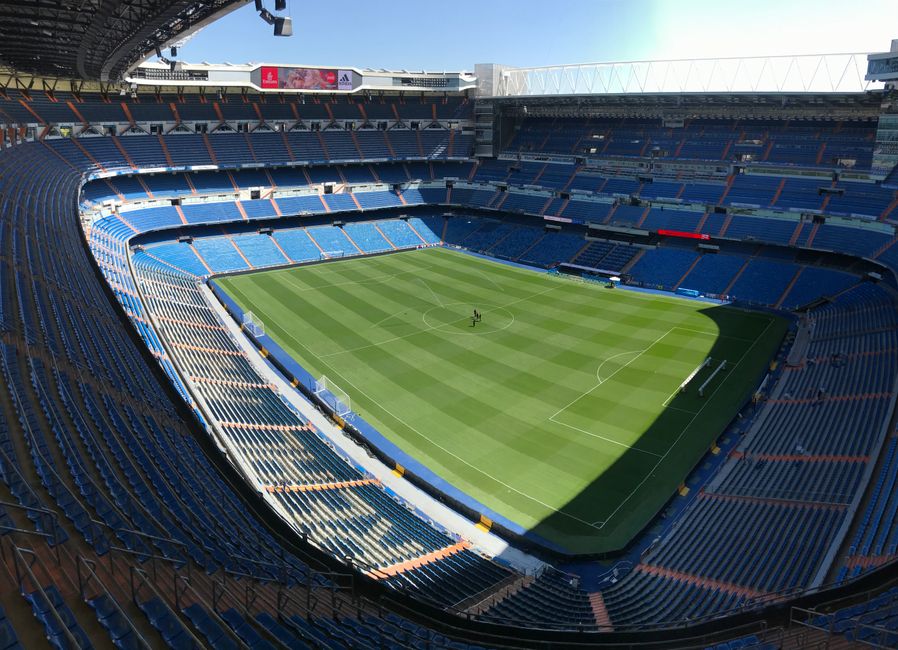
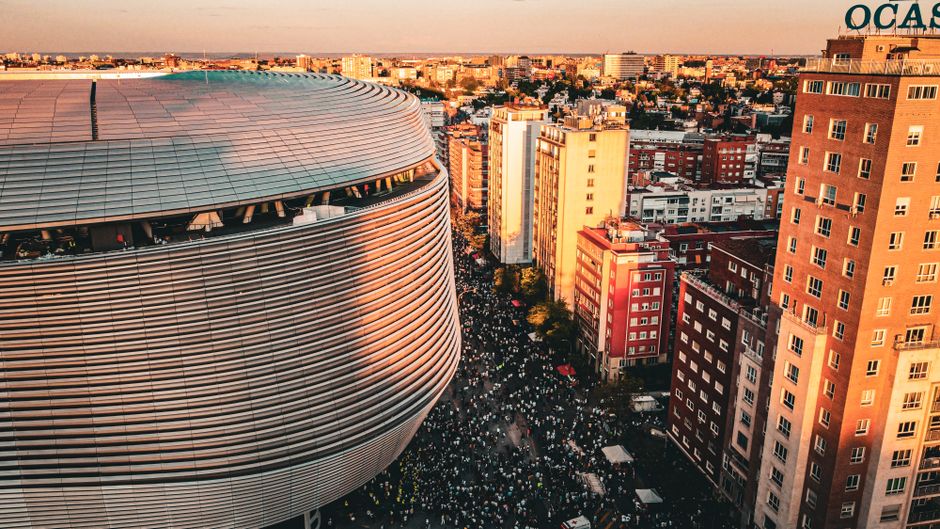
The trend extends to Madrid's flagship venues. The Estadio Santiago Bernabéu, while primarily Real Madrid's domain, has opened its surrounding areas for community sports programming. Attendance at these peripheral fitness events has grown 41% year-on-year. Similarly, the Wanda Metropolitano's neighbourhood integration programmes in San Blas-Canillejas have drawn unexpected crowds, with youth participation in structured fitness activities up 28%.
What's driving this? Cost appears to be one factor. Annual memberships at municipal centres near Sol and Plaza Mayor now average €180—substantially less than private gyms charging €50-70 monthly. Yet affordability alone doesn't explain the enthusiasm. Younger madrileños (18-35) are gravitating towards experiential fitness: trail running groups starting from Casa de Campo, open-water swimming initiatives along the Manzanares, and community-led CrossFit sessions in Malasaña warehouses.
The data also reveals interesting neighbourhood divides. Salamanca and Chamberí show the highest gym membership penetration, but participation in outdoor, free-access activities skews heaviest in working-class zones like Puente de Vallecas and Villaverde. This suggests fitness culture isn't simply a luxury pursuit—it's becoming democratised across Madrid's social landscape.
Sports administrators are taking note. The city council has allocated €4.2 million for facility upgrades through 2027, with particular focus on expanding capacity in underserved neighbourhoods. Several new outdoor exercise parks are planned for Latina and Centro districts.
What these participation figures ultimately reveal is a Madrid increasingly invested in wellness not as vanity, but as lifestyle. The city's sporting culture isn't being driven by elite competitions alone anymore—it's being shaped by ordinary citizens reclaiming public space for fitness, health, and community.
This article was compiled by AI from the sources linked above and screened before publishing. See our editorial standards.
How does this story make you feel?
Spread the word
About this article
Published by The Daily Madrid
Daily brief
Free, in your inbox before 7am. Weekdays.
More in Sport