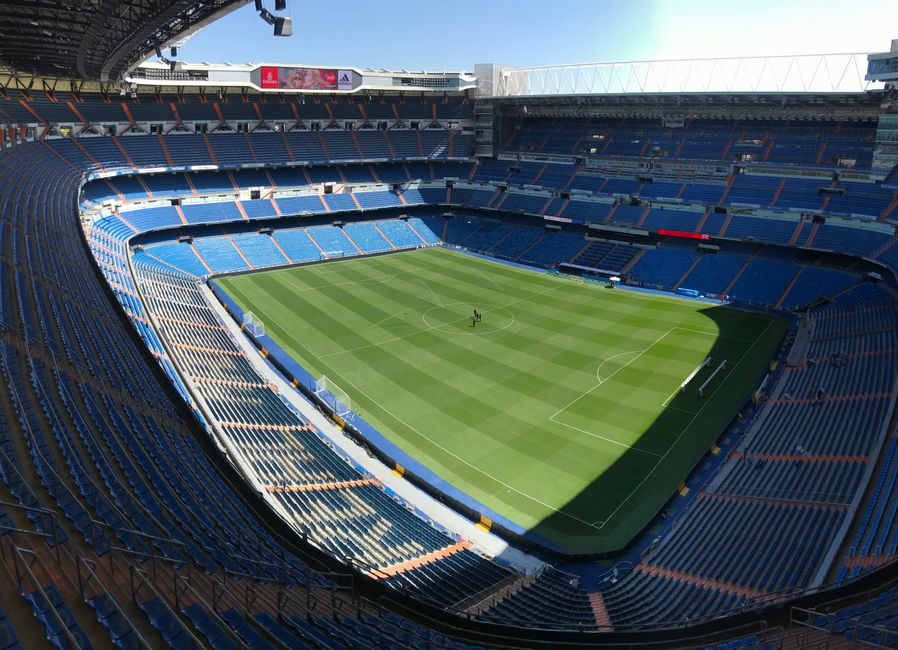
The figures tell a compelling story. Football facility bookings across Madrid's municipal sports centres have surged 34% since 2023, with evening slots at venues like the Polideportivo Municipal de Chamberí and Campo de Fútbol de Vallecas now regularly filling weeks in advance. Youth participation has climbed even more steeply—a 47% increase in under-16 registrations across the city's federated clubs in the past three years alone.
This isn't merely nostalgia for the golden age of Spanish football, nor simply a reaction to Real Madrid's recent Champions League triumphs. Rather, it reflects a fundamental shift in how madrileños are choosing to stay fit. Where gyms once dominated the fitness landscape of neighbourhoods like Salamanca and Retiro, informal five-a-side leagues and weekend amateur tournaments now command premium scheduling slots and waiting lists.
The economic data proves revealing too. Average monthly membership costs for organised amateur leagues have stabilised around €45-€60, making football considerably more accessible than premium gym memberships. Facilities in Aluche, Usera, and Puente de Vallecas report particularly robust growth, suggesting participation is democratising across socioeconomic lines rather than concentrating among affluent districts.
What's driving this trend? Several factors emerge clearly. The rise of micro-leagues—seven-a-side and futsal variants played on converted indoor basketball courts—has lowered barriers to entry. These formats demand less technical proficiency and accommodate irregular schedules. Additionally, the post-pandemic emphasis on outdoor and group-based activity has favoured football's collaborative nature over solitary exercise machines.
Local sports councillors point to infrastructure investment as crucial. The recent renovation of the Ciudad Deportiva facilities in San Blas-Canillejas, combined with the municipal government's decision to maintain subsidised evening slots for amateur teams, has made participation viable for working families who previously couldn't justify the cost or scheduling burden.
Perhaps most tellingly, women's participation has tripled over the same period. Female-only leagues now operate on Tuesday and Thursday evenings across the city, with waitlists at popular venues suggesting demand far outpaces supply.
This data reflects something deeper than a sporting trend. Madrid's football renaissance indicates a city choosing movement, community, and outdoor engagement over isolated fitness routines. In neighbourhoods from Moncloa to Villaverde, the sound of boots on grass has become the soundtrack of a city reclaiming its relationship with exercise—and with itself.
This article was compiled by AI from the sources linked above and screened before publishing. See our editorial standards.