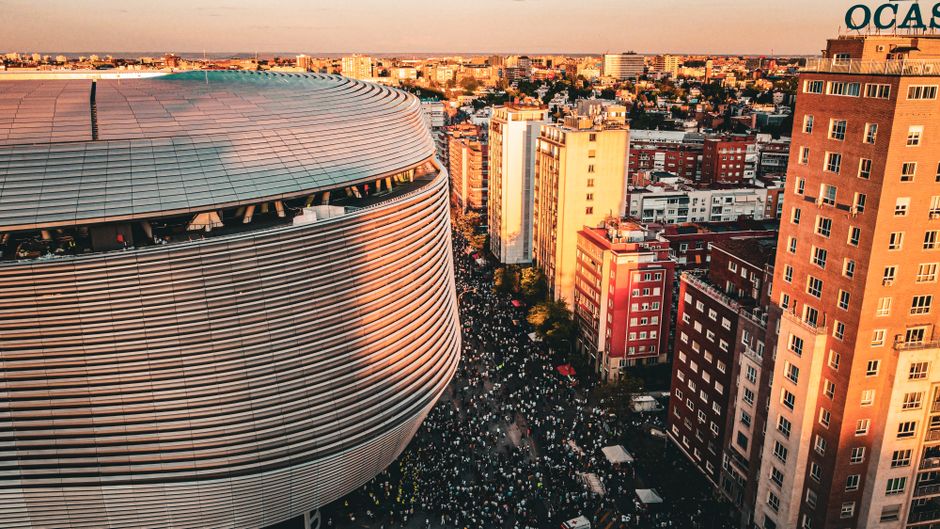
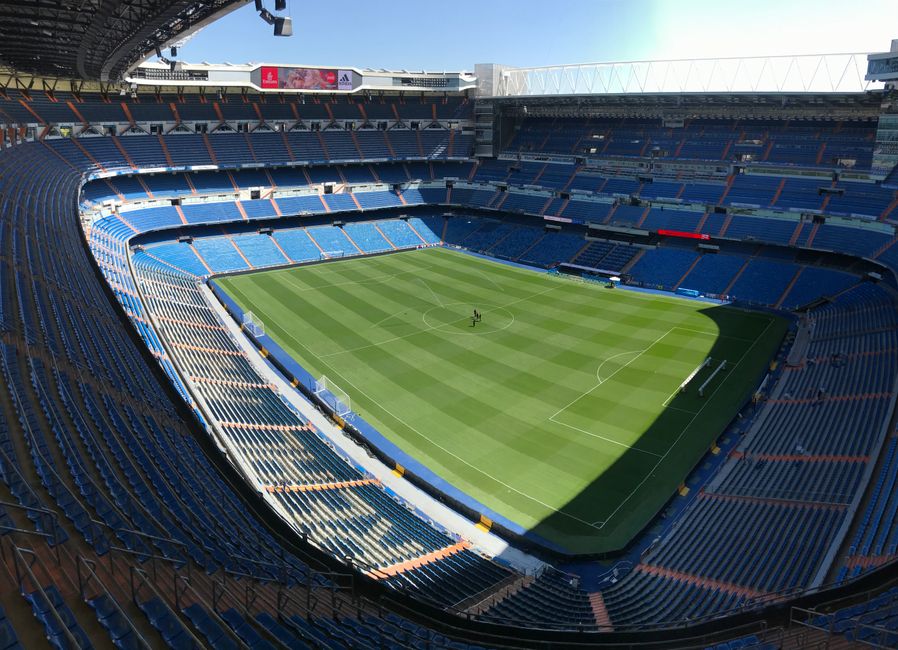
Walk through the residential streets of Usera on a Saturday morning, and you'll find something that no glossy stadium can replicate: a genuine community mobilizing around sport. The Polideportivo Municipal de Usera, a modest facility near Avenida de Andalucía, has become emblematic of Madrid's grassroots revolution—a movement that quietly shapes how hundreds of thousands engage with football, basketball, and athletics far removed from the spotlights of the Bernabéu or the Metropolitano.
The numbers tell a compelling story. Madrid's amateur sports federation oversees approximately 2,400 registered clubs, with membership exceeding 180,000 individuals across all ages and disciplines. Yet these statistics mask the real narrative: the unpaid coordinators, the teachers who volunteer weeknights, the retirees who maintain pitches in La Latina and Arganzuela, all fuelled by something beyond commerce.
Diego Sánchez, coordinator of grassroots initiatives across three districts, observes that the movement gained particular momentum over the past decade. What began as informal neighbourhood gatherings—five-a-side matches in Puente de Vallecas parks, weekend running clubs meeting at Casa de Campo—evolved into structured leagues with genuine infrastructure. Today, recreational league registration costs between €60-€150 per season, making competitive sport accessible to working families who might otherwise face prohibitive costs.
The infrastructure speaks volumes. Beyond major polideportivos in Retiro and Chamberí, neighbourhood councils have invested substantially in smaller venues: the courts of San Blas-Canillejas, the synthetic pitches near Leganés station, the athletics tracks in Villaverde. These aren't monuments; they're workspaces of community aspiration.
What distinguishes Madrid's approach is deliberate inclusion. Women's amateur leagues have expanded 340% since 2015, with integrated programming across neighbourhoods. Senior citizens' badminton tournaments in Moncloa-Aravaca attract participants in their 70s and 80s. Youth development schemes operating through Carabanchel and Villaverde identify talent not for elite academies, but for lifelong participation.
The volunteers remain the invisible backbone. Thousands serve as referees, pitch maintainers, league administrators, and mentors—receiving minimal compensation but substantial social recognition. This volunteer ethic sustains what might otherwise collapse under municipal budget constraints.
As Madrid continues absorbing international attention, its grassroots sports movement represents something increasingly rare: a genuinely democratic infrastructure where sport belongs to everyone, regardless of surname or postcode. That's the real Madrid story.
This article was compiled by AI from the sources linked above and screened before publishing. See our editorial standards.