Madrid Braces for Copa del Rey Final: Everything You Need to Know About This Year's Showdown
With the 2026 Copa del Rey final set for early July, the Spanish capital prepares for one of football's most unpredictable tournaments to reach its climax.
With the 2026 Copa del Rey final set for early July, the Spanish capital prepares for one of football's most unpredictable tournaments to reach its climax.
The streets around the Estadio Metropolitano in the Rivas-Vaciamadrid district are already buzzing with anticipation. Less than a week from now, Madrid will host the Copa del Rey final—a fixture that, regardless of which teams make it through, promises to deliver the kind of drama that has defined Spanish football's oldest competition for 125 years.
What makes this year's final particularly compelling is the tournament's inherent unpredictability. Unlike La Liga's structured season, the Copa del Rey has repeatedly sent shockwaves through Spanish football, with lower-division sides regularly dispatching top-flight heavyweights. This year's journey to the final has been no exception, with several surprise packages forcing their way deeper into the competition than many predicted.
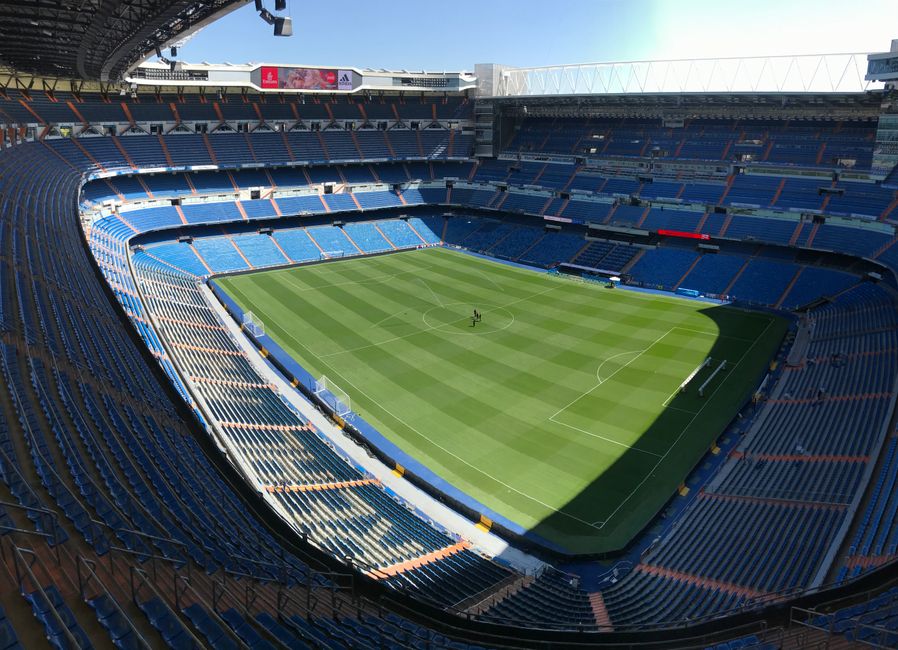
For Madrid's football community, the final represents far more than ninety minutes of sport. The Metropolitano's 68,000-capacity stadium—located just 20 kilometres southeast of the city centre—will transform into a sea of colour, with fans arriving early from across the region and beyond. Ticket prices have ranged from €60 for upper-tier seats to over €300 for premium positions, reflecting the demand among supporters eager to witness one of European football's most tradition-laden tournaments reach its conclusion.
The Copa's appeal lies partly in its format. By allowing Segunda División B sides and regional clubs entry into early rounds, the competition creates genuine David-versus-Goliath narratives. Teams from Castilla-La Mancha, Extremadura, and beyond have historically used the Copa as their platform to test themselves against elite opposition—and occasionally, to create lasting memories against the odds.
Beyond the pitch, the final carries economic significance for Madrid. Hotels across the Salamanca and Chamberí districts report strong bookings, while bars along Paseo de la Castellana and around the Bernabéu have prepared special viewing areas. Local transport operators expect increased demand on metro lines heading toward Rivas-Vaciamadrid, with the Line 9 and regional trains likely operating at capacity.
From a tactical perspective, coaches will have spent weeks studying their potential opponents, knowing that the Copa's knockout format demands both precision and adaptability. There are no second chances, no league position to fall back on. One moment of brilliance—or carelessness—can define legacies.
As Madrid prepares for early July's showdown, the city's football culture once again demonstrates why it remains one of Europe's sporting capitals. The Copa del Rey final, whether contested between household names or surprise contenders, will remind us why this competition continues to captivate Spanish football after more than a century.
This article was compiled by AI from the sources linked above and screened before publishing. See our editorial standards.
How does this story make you feel?
Spread the word
About this article
Published by The Daily Madrid
Daily brief
Free, in your inbox before 7am. Weekdays.
More in Sport