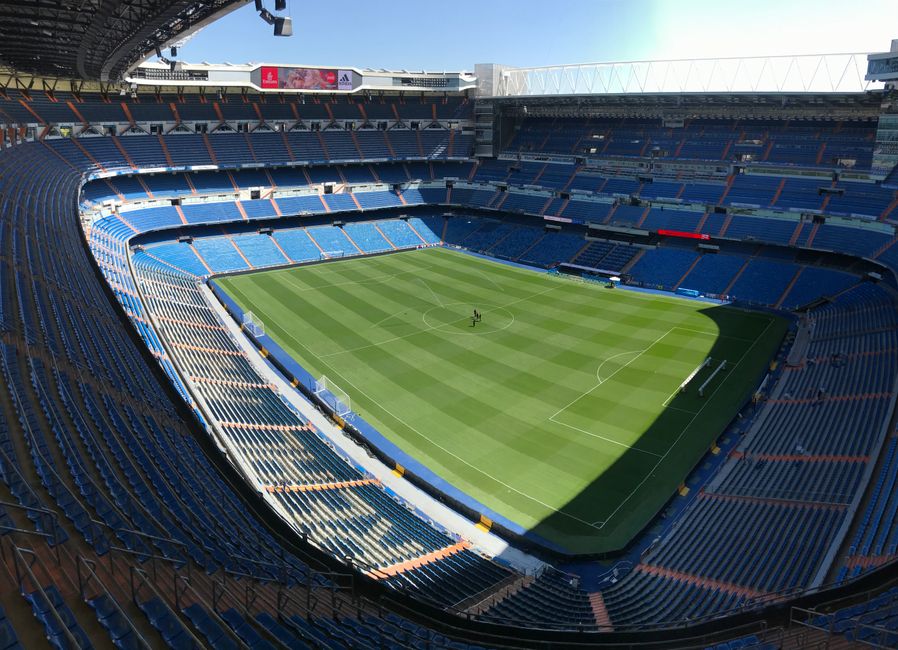
Madrid's football ecosystem has undergone a profound transformation in recent years, driven by sustained investment in venues and training infrastructure that now ranks among Europe's most sophisticated. The completion of the Santiago Bernabéu's €797 million renovation project stands as the most visible symbol of this ambition, but the real story runs deeper—into neighbourhood pitches, training academies, and municipal sports complexes that form the genuine foundation of local football culture.
The Bernabéu's state-of-the-art retractable pitch and modernised facilities represent cutting-edge stadium engineering, yet equally significant is the proliferation of professional training grounds across the metropolitan area. The Real Madrid City complex in Valdebebas, spanning 383,000 square metres, serves as a blueprint for integrated athlete development, while Atlético Madrid's comparable facilities in the eastern suburbs demonstrate how competitive investment drives infrastructure arms races across the capital.
Beyond elite venues, Madrid's municipal sports infrastructure tells a compelling story. The District of Chamberí alone oversees 47 municipal football pitches, with recent investment prioritising artificial surface upgrades to extend playing seasons and accommodate higher usage volumes. Moncloa-Aravaca has invested €2.3 million since 2023 in pitch maintenance and lighting improvements, reflecting broader city council commitment to grassroots accessibility.
The Complejo Deportivo Concepción Arenal in Puente de Vallecas exemplifies how working-class neighbourhoods maintain competitive football infrastructure. The facility, recently upgraded with improved drainage systems and expanded changing facilities, remains central to youth player identification across the city's southern districts. Similarly, the Estadio de Las Rozas provides vital capacity for reserve team and academy fixtures, reducing pressure on senior venues.
Economic data underscores this commitment. Madrid's sports budget allocation of €127 million annually (2025-26) prioritises facility maintenance and development, with approximately 18% directed toward football-specific infrastructure. When compared to Barcelona's €94 million sports investment, Madrid's financial commitment reflects strategic prioritisation of the sport as both cultural anchor and economic driver.
The infrastructure advantage extends to training methodologies. Modern facilities now incorporate sports science hubs—video analysis suites, hydrotherapy centres, and performance monitoring labs—that have become recruitment selling points for player development. Several academies now operate year-round, utilising climate-controlled indoor facilities alongside traditional pitches.
As Madrid positions itself for continued sporting dominance, facility investment remains central to that vision. The capital's venues—from neighbourhood grassroots complexes to continental-standard stadiums—represent not merely recreational spaces but competitive infrastructure designed to nurture talent and sustain excellence across multiple generations.
This article was compiled by AI from the sources linked above and screened before publishing. See our editorial standards.