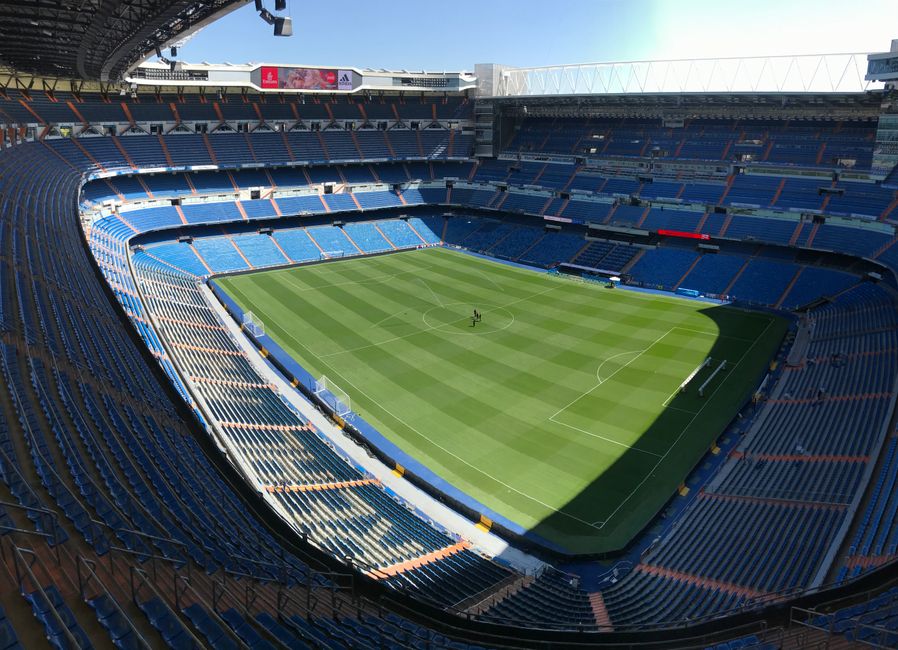
Walk through the Vallecas district on any Saturday afternoon and you'll witness something the Santiago Bernabéu's polished corridors rarely capture: the raw, unfiltered heartbeat of Madrid's sporting soul. Here, Rayo Vallecano's modest Estadio de Vallecas pulses with 15,000 voices—working families, pensioners, children, all crammed into a stadium built in 1966 that feels more lived-in than pristine. Yet this isn't a story of decline. It's one of renaissance.
Across Madrid, neighbourhood clubs are experiencing a remarkable resurgence, transforming their stadiums from mere playing fields into genuine community hubs. The shift reflects a growing appetite among madrileños for grassroots sport that prioritises belonging over billionaire ownership models.
The Estadio Municipal de Aluche, nestled in the working-class neighbourhood of the same name in southwest Madrid, exemplifies this trend. Home to CD Aluche, a club founded in 1948, the venue now hosts not just football but youth academies serving over 800 children annually. Season tickets cost just €150—a fraction of what the major clubs charge—yet the sense of ownership among supporters runs deep. Local businesses sponsor kits. Parents volunteer as groundskeepers. The stadium café has become an informal community centre where neighbours debate tactics over coffee.
Similar stories unfold across the capital. The Estadio Cerro del Espino in Getafe, home to Unión Deportiva Getafe, has expanded its community programmes to include women's football leagues, with participation jumping 45% in the last three years. In northern Madrid, several clubs in the Zona Norte have partnered with local councils to offer scholarships for talented young players from disadvantaged families.
This isn't merely sentimental. Data suggests these clubs generate measurable social value. A 2025 study by Madrid's Instituto Municipal de Deportes found that neighbourhood football clubs create roughly four times more volunteer engagement per thousand attendees than major professional franchises. Youth players report significantly higher school attendance rates when enrolled in club academies.
The economic model differs fundamentally from the elite tier. Where Real Madrid and Atlético depend on global television rights and luxury hospitality, local clubs thrive on intimate, predictable revenue: season tickets, modest merchandise, sponsorship from family-run shops, and municipal grants. The Estadio de Vallecas generates approximately €2.8 million annually—modest by continental standards, yet sufficient to compete at Spain's second tier while maintaining financial stability.
As Madrid's professional football landscape grows increasingly dominated by state investment and international capital, these neighbourhood stadiums offer something rarer and more valuable: proof that sport's greatest asset isn't silverware, but community.
This article was compiled by AI from the sources linked above and screened before publishing. See our editorial standards.