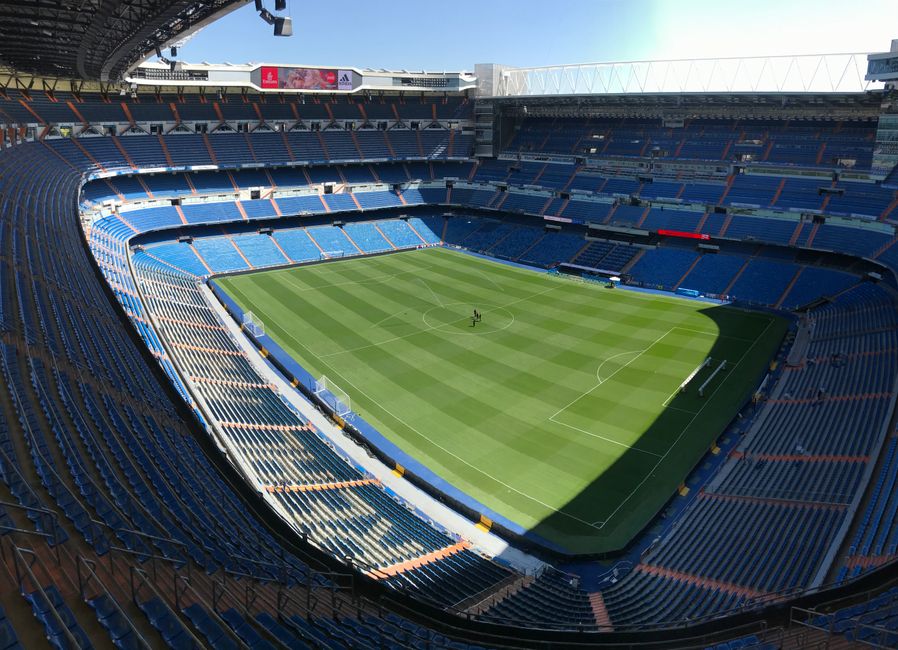
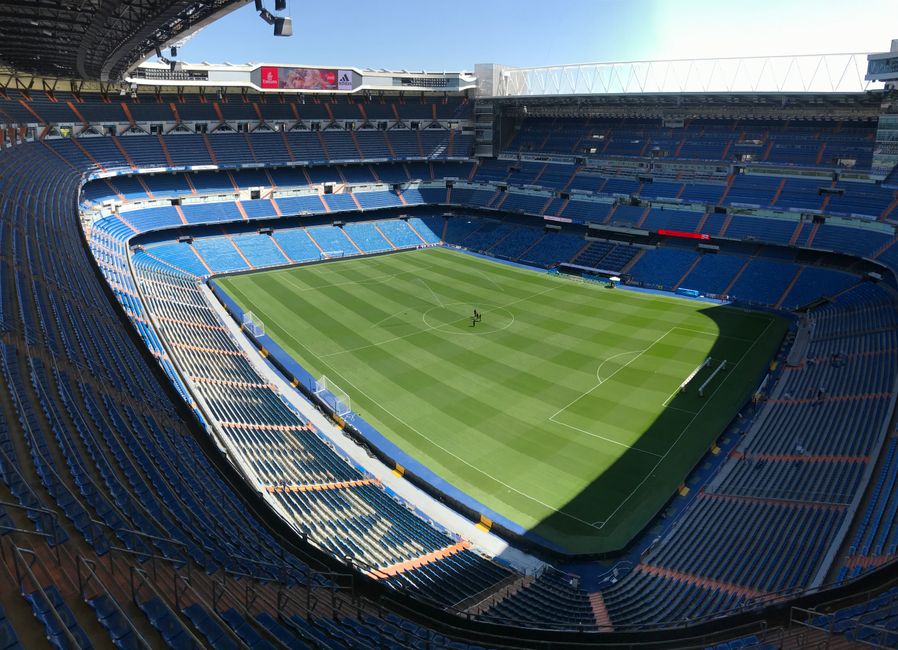
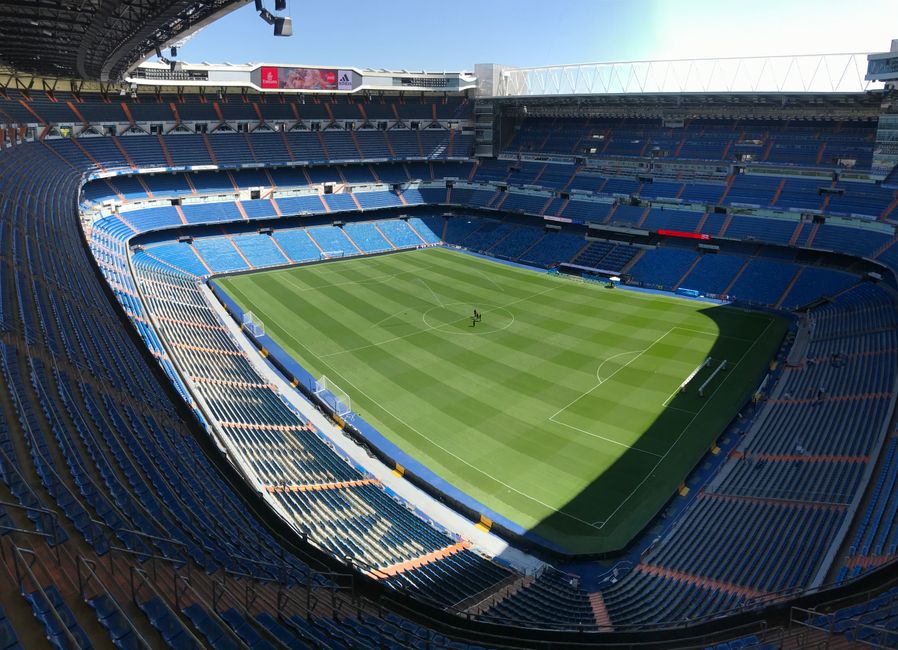
Madrid's football culture runs deeper than just matchdays at the Bernabéu or Wanda Metropolitano. Across the city's 21 districts, thousands of players—from children to veterans—are discovering the sport through accessible community programmes, amateur leagues, and grassroots clubs that form the backbone of Spanish football.
If you're new to Madrid or simply want to get involved, the entry points are clearer than ever. The city's municipal sports centres, known as polideportivos, offer structured football training at modest costs. A seasonal membership at most municipal facilities costs between €80 and €150, with group coaching sessions available three to four times weekly. The Polideportivo Municipal de Moratalaz and Campo de Fútbol de Chamberí are particularly well-regarded for their facilities and coaching quality.
For those seeking more competitive environments, Madrid's extensive network of amateur leagues—organised through the Federación de Fútbol de Madrid—welcomes players of all abilities. The regional federation oversees over 4,000 affiliated clubs, from neighbourhood-based Sunday teams to semi-professional squads. Registration typically requires a sports licence (around €25 annually) plus modest club fees, usually €200-400 per season depending on the division.
Children and teenagers have abundant pathways. The city's major academies—including those affiliated with the professional clubs—run summer camps and year-round academies. More affordable alternatives exist through local clubs like CD San Blas in Puente de Vallecas or Sporting Getafe's satellite programmes, where training sessions cost €30-60 monthly for youth players.
Finding a club matching your level is straightforward. WhatsApp groups and social media platforms dedicated to Madrid football connect players seeking teams or teammates. Several websites, including the official Madrid football federation portal, list active clubs by neighbourhood and competitive level.
Beginners shouldn't hesitate about skill level. Madrid's football ecosystem deliberately includes entry-level categories. Seven-a-side futsal leagues, increasingly popular in the capital, require minimal equipment and lower initial commitment. Courts in neighbourhoods like Retiro and Salamanca charge €40-60 per hour for group bookings.
The investment extends beyond fees. Most players spend €150-300 on basic kit—boots, shin guards, and training wear—though used equipment markets in Madrid offer budget alternatives. Joining a club also means accessing community: regular training partners, weekend matches, and the social fabric that makes Madrid's grassroots football uniquely welcoming.
Whether you're seeking weekend recreation or a path toward competitive football, Madrid's infrastructure—combining municipal investment with deep cultural passion—ensures accessible entry points across every neighbourhood and ability level.
This article was compiled by AI from the sources linked above and screened before publishing. See our editorial standards.