Madrid's Neighbourhood Clubs Transform Stadiums Into Community Anchors
As elite football dominates headlines, grassroots organisations across the capital are using modest venues to build social bonds and opportunity.
As elite football dominates headlines, grassroots organisations across the capital are using modest venues to build social bonds and opportunity.
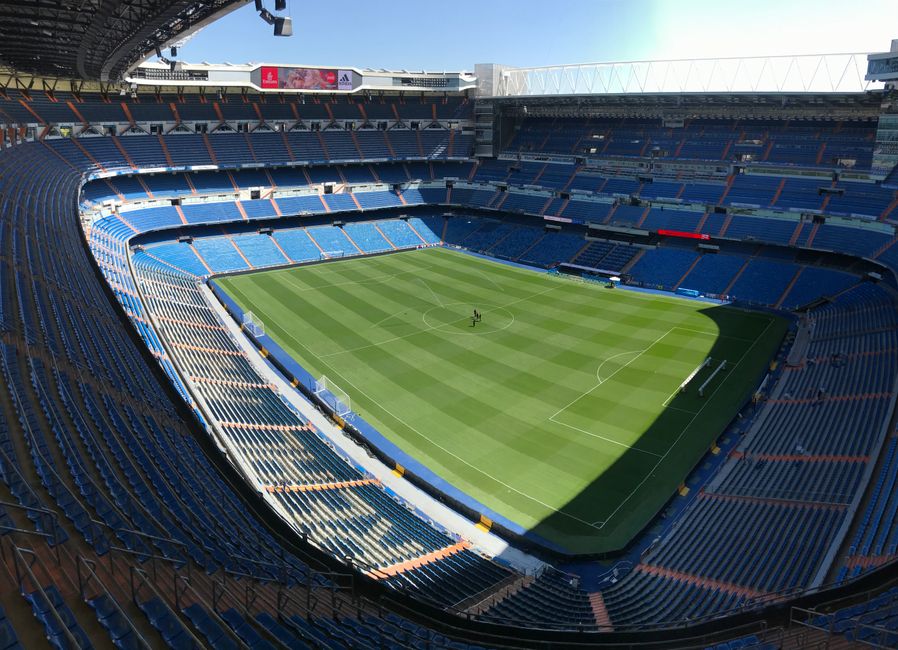
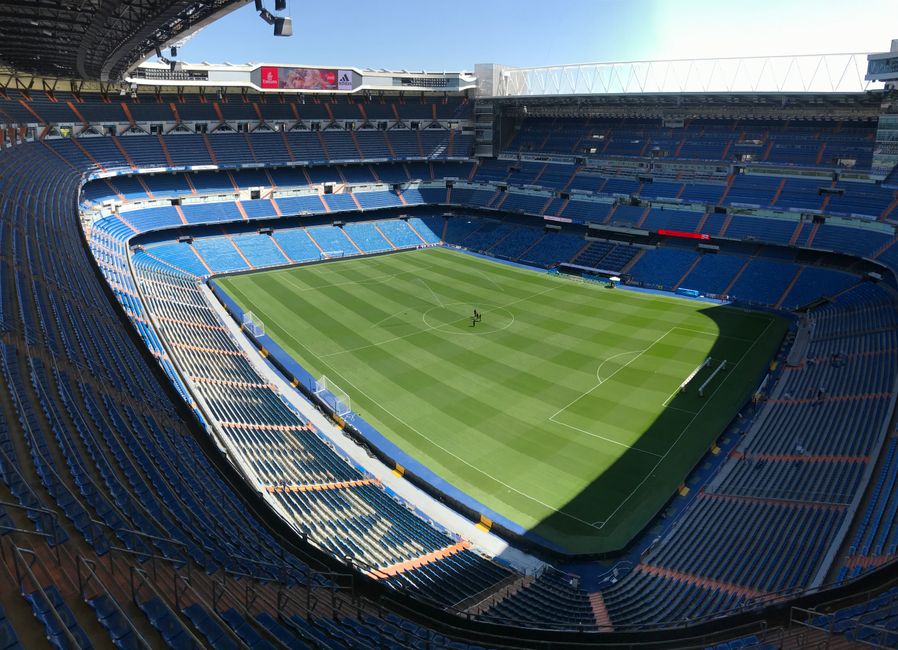
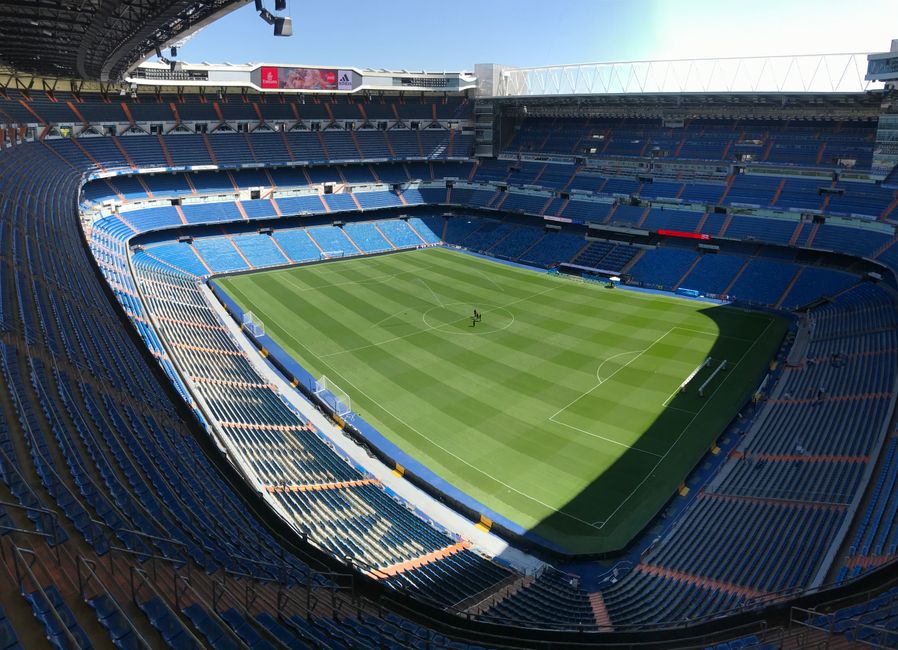
While the Bernabéu and the Metropolitano command global attention, a quieter revolution is unfolding across Madrid's neighbourhoods. From Usera to Puente de Vallecas, local sports clubs are transforming small stadiums and community centres into hubs that extend far beyond the ninety minutes of play.
The phenomenon reflects a broader trend in European cities where grassroots organisations recognise their potential as social infrastructure. In Madrid, clubs like those operating from modest grounds near the Plaza de Castilla and throughout the Latina district are pioneering programmes that address housing insecurity, youth employment, and mental health alongside their sporting missions.
"These venues matter because they're accessible," explains the reality of how neighbourhood clubs function. Many operate with annual budgets between €150,000 and €400,000—a fraction of what La Liga's elite command—yet serve populations that might otherwise lack organised recreational space. Membership fees typically range from €30 to €80 monthly, deliberately pitched to remain affordable for working families.
The impact is measurable. Madrid's federation reported in 2025 that approximately 45,000 young people participate in neighbourhood-level club programmes across the city. Beyond players, these organisations employ coaches, administrative staff, and facility managers—creating local employment networks. Several clubs have established partnerships with municipal services, hosting social workers and mental health professionals at their grounds.
Consider the model in action: a club operating from a converted warehouse conversion near Avenida de América now hosts after-school programmes for 200 children daily. A similar organisation in Carabanchel has become a refuge for women's football, with three competitive teams and grassroots development squads serving the neighbourhood's growing female participation.
Infrastructure challenges remain. Many venues require modernisation; the city's December 2024 infrastructure audit flagged that approximately 60% of neighbourhood club facilities needed investment in basic amenities. Yet this constraint has paradoxically strengthened community bonds. Fundraising drives, volunteer maintenance programmes, and local business sponsorships have deepened stakeholder investment in these spaces.
The financial model differs starkly from elite football. Where major clubs pursue global broadcasting revenues, neighbourhood organisations depend on membership fees, modest municipal grants, and community fundraising. This creates a different relationship between club and community—one built on reciprocal obligation rather than consumer transaction.
As Madrid continues attracting international sport investment, these modest venues represent an often-overlooked competitive advantage: communities bound by shared space, shared effort, and genuine stake in collective success. The stadiums may be small, but their role in holding neighbourhoods together continues expanding.
This article was compiled by AI from the sources linked above and screened before publishing. See our editorial standards.
How does this story make you feel?
Spread the word
About this article
Published by The Daily Madrid
Daily brief
Free, in your inbox before 7am. Weekdays.
More in Sport