Madrid's sporting landscape has undergone a remarkable transformation over the past decade, with significant capital investment reshaping how the city supports both professional and grassroots athletics. The metropolitan area now boasts over 400 sports facilities, creating an ecosystem that attracts international competitions while serving local communities across neighbourhoods from Chamberí to Villaverde.
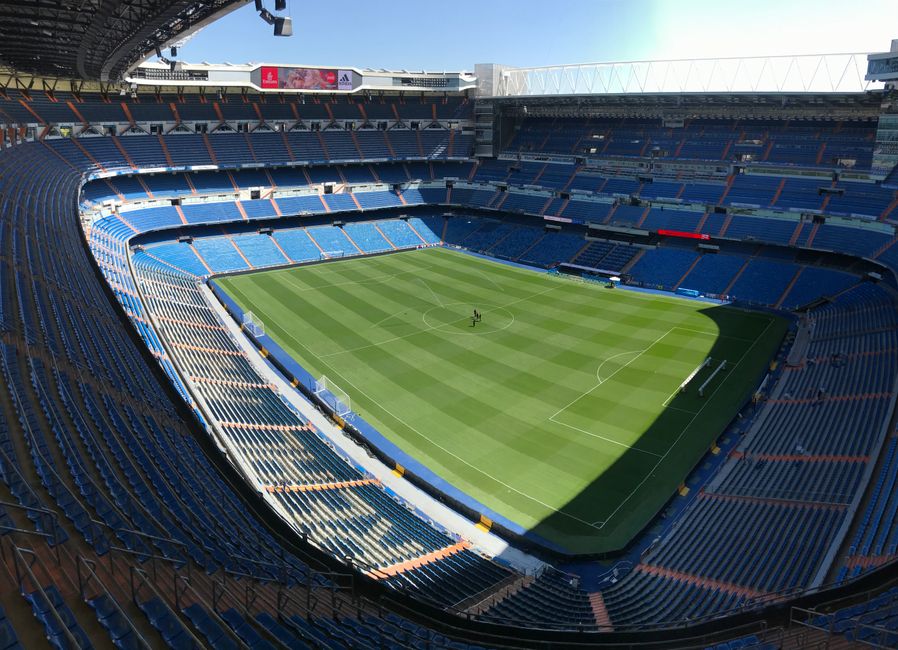
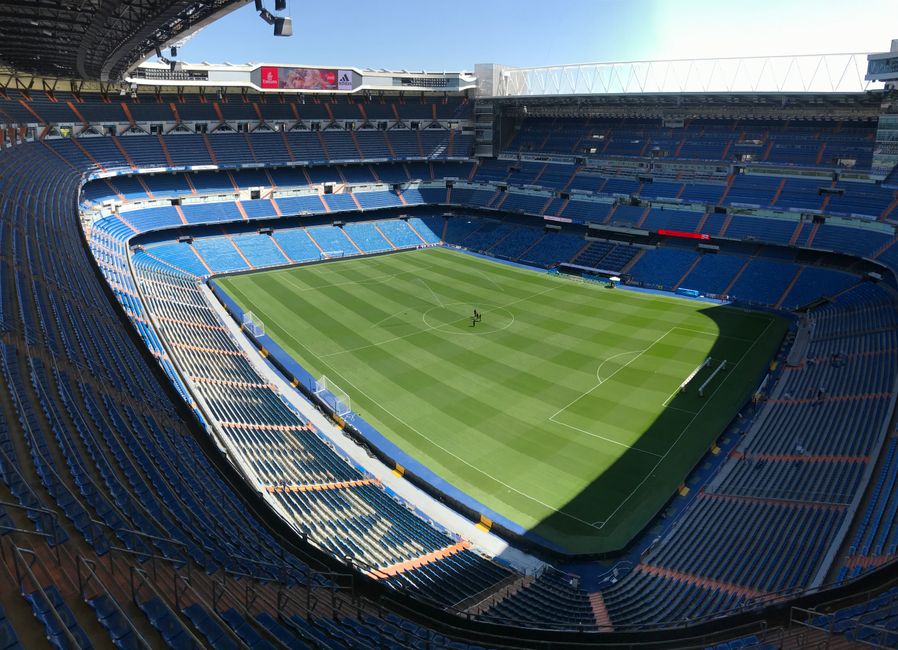
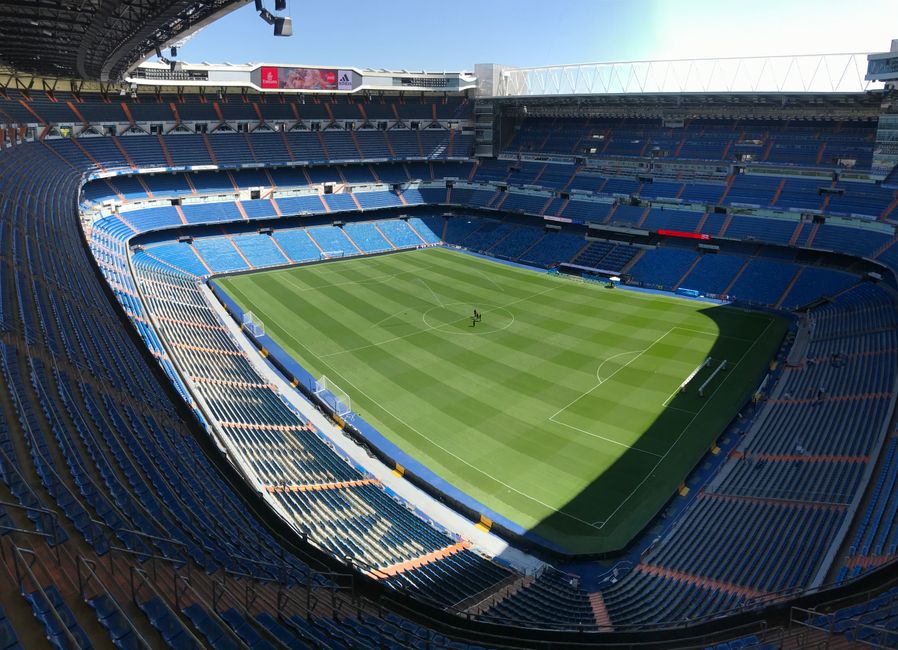
The Santiago Bernabéu remains the city's most iconic venue, but the stadium's €700 million renovation—completed in 2025—represents only part of Madrid's broader infrastructure ambitions. The modernised facility now includes state-of-the-art training grounds in the Ciudad Real Madrid complex, located on the city's northern outskirts, where elite players benefit from climate-controlled pitches and advanced recovery technology.
Beyond football, Madrid's multisport infrastructure demonstrates genuine municipal commitment. The Caja Mágica, situated in the Vallecas district, continues hosting the Madrid Open tennis tournament annually, drawing global audiences while serving as a training hub for local players year-round. Recent upgrades to court surfaces and spectator facilities cost €15 million, reflecting the city's determination to maintain competitive standards.
The Estadio Metropolitano, home to Atlético Madrid in the San Blas-Canillejas neighbourhood, opened in 2017 with capacity for 68,000 spectators and incorporated sustainability features rare for its time. The venue operates at approximately 85 per cent capacity during league matches, generating significant economic activity across surrounding retail and hospitality sectors.
Swimming and aquatics have received particular attention, with the Centro de Natación M-86 in Chamberí undergoing €8 million renovation since 2024. The facility now hosts regional championships while maintaining public access programmes that serve over 3,000 weekly users across age groups.
The Madrid Athletics Federation coordinates activity across 28 municipal tracks, though facility quality varies considerably. Investment disparities between central districts and outlying areas like Fuenlabrada remain a concern for administrators, though recent municipal budgets have prioritised equalising provision.
Hosting infrastructure extends beyond traditional stadiums. The Circuito del Jarama motor racing facility, 30 kilometres northeast, underwent €12 million upgrades for safety and environmental compliance. Meanwhile, the WiZink Center on Avenida de Brasil hosts international basketball, volleyball, and combat sports, drawing crowds exceeding 16,000 for major events.
Madrid's sports infrastructure investment strategy increasingly emphasises accessibility and community benefit. With €240 million committed through 2028 for facility upgrades and new construction, the city demonstrates that world-class venues remain inseparable from local sporting culture and economic vitality.
This article was compiled by AI from the sources linked above and screened before publishing. See our editorial standards.