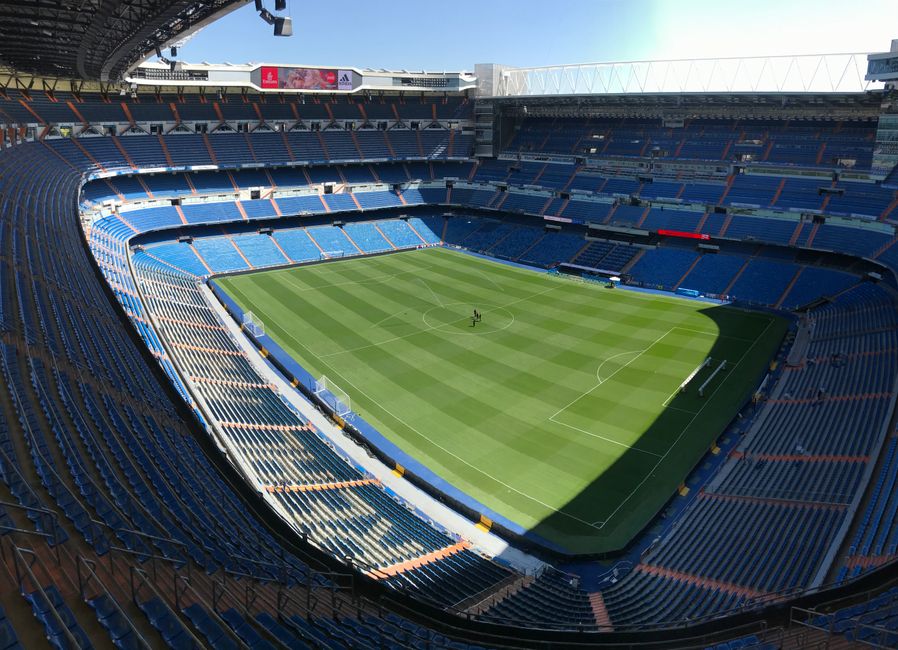
Madrid's football culture extends far beyond the Bernabéu and the Wanda Metropolitano. Across neighbourhoods from Chamberí to Vallecas, thousands of players of all ages and abilities are discovering the joy of the game at grassroots level. If you're thinking about getting involved, the path is more accessible than you might think.
Start by identifying your level and what you're looking for. Madrid's municipal sports centres—found in nearly every district—offer organised leagues for adults, teenagers, and children. The cost is remarkably affordable: recreational five-a-side leagues typically run between €40-60 per month, with most sessions held on weekday evenings or weekends. The Polideportivo Municipal in Retiro and facilities across Chamberí and Salamanca neighbourhoods consistently attract hundreds of regular players.
For a more structured experience, look into Madrid's neighbourhood clubs (equipos de barrio). These community-based organisations blend competitive play with social engagement. Many operate out of modest pitches in working-class areas like Vallecas and Carabanchel, maintaining traditional roots while welcoming newcomers. Registration fees are typically lower than commercial facilities—often €20-35 monthly—and the atmosphere emphasises participation over performance.
If you're serious about competitive football, the Federación de Fútbol de Madrid oversees regional leagues across multiple divisions. Amateur teams compete in well-organised structures, and joining an established club gives you pathways to more competitive play. Most clubs welcome players year-round, though summer transfers (July-August) see the most movement.
Before you begin, invest in basics: proper football boots (€50-150), shin guards (€15-25), and comfortable training wear. Many pitch facilities require specific footwear—astroturf or indoor courts often mandate non-marking trainers. Budget roughly €100-150 for initial equipment.
Finding your first opportunity is straightforward. Visit your local sports centre's website or drop in during office hours—staff speak English and can explain current leagues. Apps like Meetup often list casual kickabouts across Madrid's parks, including the expansive spaces in Casa de Campo and Parque Juan Carlos I, where informal games happen daily.
The player demographic is remarkably diverse. You'll find Spanish nationals, long-term expats, and recent arrivals from across Europe, Africa, and South America. Most communities actively welcome newcomers, understanding that football's universal language transcends borders.
Madrid's football culture thrives precisely because it's inclusive. Whether you want casual weekend football or serious weekly competition, the infrastructure exists and welcomes you. Your entry point awaits—it simply requires showing up.
This article was compiled by AI from the sources linked above and screened before publishing. See our editorial standards.